
Recovery & Performance
Recovery Tools for a Desk-Bound Day: A Lino Lakes Remote Worker's Guide
5D Wellness Team·11 min read·September 30, 2026
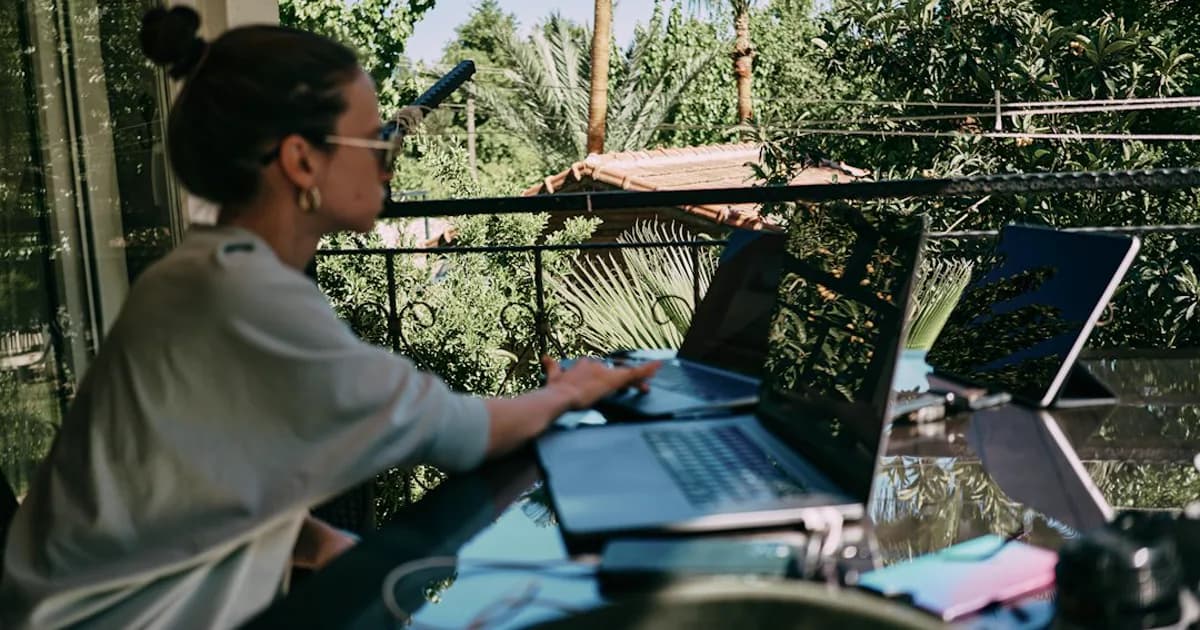
The Commute You Gave Up Was Also Your Movement
Nobody misses Highway 65 at 5 p.m. But that drive came bundled with things you'd never have counted as exercise: the walk across the parking lot, the hallway to a conference room, the second-floor stairs. Working from home took the commute. It quietly took all of that, too.
Talk to enough remote and hybrid workers around Lino Lakes, Blaine, Ham Lake and the rest of Anoka County and you hear the same description. Nothing hurts, exactly. The neck is just tight by Thursday, the hips don't want to open up, and there's a low-grade heaviness that a weekend doesn't quite clear. Minnesota winters narrow it further, since the outdoor reset that used to break up a day is now a wind chill you'd rather not argue with.
Good recovery for remote workers in Lino Lakes has less to do with buying equipment than with understanding what a seated body is actually asking for. Here's what the research shows, the habit that costs nothing, and where heat, cold and light fit on top.
What Eight Hours at the Kitchen-Table Desk Actually Does
The 40-minute threshold
Ergonomics researchers studying prolonged sitting found that muscle fatigue shows up after roughly 40 minutes of continuous sedentary work. That's earlier than most people expect — well inside a single long meeting block. The same study found a five-minute standing-and-stretching break was the most effective type tested, holding muscles at a recovery level for another 30 to 45 minutes.
Read that practically. Your body isn't asking for an hour at a gym. It's asking to be interrupted.
Where the load piles up
Static, slouched posture held for hours concentrates strain in the upper body. Mayo Clinic notes that long stretches at a desk place a lot of stress on the neck, shoulders and upper back, leaving muscles stiff and sore and joints less flexible.
The lower half runs the other direction. Cleveland Clinic points to weakened glutes and tightened hip flexors as the signature pattern of desk work, and connects it to the numbness and low-back ache people describe as "dead butt."
The wider context, stated carefully
Mayo Clinic reports that people who sat more than eight hours a day with no physical activity carried a mortality risk comparable to that associated with obesity and smoking, and that 60 to 75 minutes of moderate daily activity offsets much of that effect. That's a reason to move. It isn't a reason to panic.
The 30-Minute Rule: Micro-Breaks That Fit Between Meetings
The habit that costs nothing
One to two minutes of movement after every 30 minutes of sitting is the interval the literature keeps landing on. Even two-minute interruptions of prolonged sitting shift circulation, lower muscle tension and register on cardio-metabolic markers.
The trick is anchoring it to something already on your calendar. The two minutes between calls. The water refill. The dog who needs the back door opened. A timer works, but a habit tied to an existing cue outlasts one.
Moves that work in a home office
- Chair squats and calf raises for the glutes and lower legs, both of which go quiet during a sitting day.
- Seated oblique twists at about a 45-degree angle, rotating slowly with your arms in line with your torso.
- A standing hip flexor opener — one foot stepped back, hold — which goes straight at the shortened-hip pattern.
- Neck rolls and a doorway chest stretch for the forward-rounded shoulders a laptop encourages.
- Isometric holds of three to ten seconds, which Cleveland Clinic suggests for shared space and which are invisible on a video grid.
Standing is a partial answer
Standing more often improves blood flow in the legs and feet and lowers reported fatigue, with better reported focus alongside it. The occupational therapist quoted there is direct: you don't have to stand for two hours to benefit. But standing still isn't the same as moving, so a standing desk is one tool, not the whole fix.
Heat: The Infrared Sauna as an End-of-Day Reset
Why heat suits a stiff day
An infrared sauna warms your body directly instead of heating the air around you, which is why it runs at 110 to 135°F rather than the 150 to 195°F of a traditional sauna. If sitting in serious heat has never appealed to you, that difference matters more than it sounds like it should.
Blood vessels dilate, circulation increases, and researchers have compared the cardiovascular response to walking at a moderate pace. That improved blood flow is the part supporting muscle recovery after activity. People also report feeling less stressed afterward and sleeping better, though experiences differ.
What a first session looks like
Cleveland Clinic guidance suggests starting near 110°F for five to ten minutes and building as comfort allows, keeping sessions under 30 minutes and use to about three or four times a week. Bring water or an electrolyte drink in with you — dehydration is the main thing to watch — and rinse off afterward.
Skip it, or check with your healthcare provider first, if you're pregnant, heat-intolerant, trying to conceive, currently sick, or managing a medical condition. Otherwise the sauna is the easiest recovery tool to slot between logging off and dinner, which is exactly the argument for the after-work sauna wind-down.
Cold Plunge for the Stiff-and-Wired Shutdown
A different tool for a different evening
Cold does close to the opposite of heat. It constricts blood vessels and temporarily reduces post-exercise swelling, and it's associated with lower reported stress alongside sharper alertness. One Cleveland Clinic sports medicine physician describes the appeal as a kind of mental meditation. That makes cold plunge a reasonable fit for the desk day that ended with your body slumped and your head still running.
Numbers that keep it sensible
Water should never drop below 40°F. Beginners are advised to start between 50 and 59°F for one to two minutes, once or twice weekly, with no session running past five minutes. Get out, dry off, get warm — a sauna session is a common way to bring your temperature back up. And stop if you feel lightheaded, because cold water can turn dangerous quickly and pushing through isn't the point. We walked through a morning cold plunge routine in Lino Lakes earlier this year.
Who needs a conversation first
Vasoconstriction raises blood pressure and cardiac workload, so anyone with heart disease or high blood pressure, diabetes, pregnancy, peripheral neuropathy, poor circulation or venous stasis, or cold agglutinin disease should talk with a provider before plunging. One scheduling note for lifters: cold exposure within about four hours of strength training may blunt some of the muscle-building signal, so put the plunge on a different day.
Stacking the Rest of the Menu Into a Desk-Bound Week
Red light earns its place in a Minnesota winter when your daylight exposure has shrunk to a laptop screen. We covered that separately in red light therapy for remote workers facing East Bethel's dark winters.
Salt therapy makes quiet sense if you spend all day breathing forced-air heat, which in the North Metro means roughly six months of the year. A halotherapy session asks nothing of you but sitting still — a low bar at the end of a Tuesday.
Massage is the answer when the neck-and-shoulder pattern has been building for weeks rather than days. A stretch break can't reach what six months of a bad monitor height produced.
A workable week for someone working from home here: micro-breaks every day, which cost nothing; two sauna sessions; one cold plunge; and one longer session of your choice on a weekend. Unlimited access changes the math on that, which is the honest case for a 5D Wellness membership over paying per visit. We're about a 25-minute drive up Highway 65 from Lino Lakes — close enough to become a habit, far enough that you'll want to pair it with an errand.
Frequently Asked Questions
How often should a remote worker take a movement break?
Roughly every 30 to 45 minutes, which happens to match the gap between back-to-back video calls. Fatigue in seated postures tends to appear around the 40-minute mark, and a five-minute stand-and-stretch break can hold your muscles in a recovered state for another 30 to 45 minutes.
Is an infrared sauna or a cold plunge better after a day of sitting?
They do different jobs, and neither is required. Heat increases circulation, so it usually feels better on the stiff, achy version of a desk day. Cold sharpens alertness, which some people prefer when they feel physically slumped but mentally wired. Plenty of people use heat on heavy-sitting days and cold on days they also trained.
How long should a beginner stay in an infrared sauna?
Start around 110°F for five to ten minutes and build from there as comfort allows, keeping sessions under 30 minutes and use to three or four times a week. Bring water with you. If you're pregnant, heat-intolerant, sick, or managing a medical condition, check with your provider first.
Can I fit recovery into a workday without losing an evening?
A 15-minute sauna session plus a two-minute plunge is under half an hour door to door, which fits between logging off and dinner. The bigger lever is free anyway: the micro-breaks during the workday itself.
I already exercise — do I still need recovery tools for desk work?
Exercise and sitting are somewhat separate problems. Sixty to seventy-five minutes of moderate daily activity offsets a lot of the risk tied to long sedentary stretches, but a morning workout doesn't undo eight uninterrupted hours in a chair. Consider recovery tools a supplement to both.
Pick One Thing This Week
The foundation here is free, and it's also the part people skip. Interrupting your sitting every half hour does more for a desk-bound body than any single session in any room we have. Heat, cold, light and bodywork are the layer on top — genuinely useful, but no substitute for standing up.
The remote-work tradeoff isn't something you have to absorb; it's something you can design around, and the design doesn't have to be ambitious. Set a 30-minute timer tomorrow, or book a first session and see how your shoulders feel on the drive home.
This article is for general wellness and educational purposes only and is not medical advice. 5D Wellness services are not a substitute for professional medical care. Results vary by individual. Consult a qualified healthcare provider before starting any new wellness practice, especially if you are pregnant or have a medical condition.