
Infrared Sauna
The After-Work Sauna Wind-Down: Infrared Sauna Stress Relief for Busy Andover Professionals
5D Wellness Team·9 min read·August 19, 2026
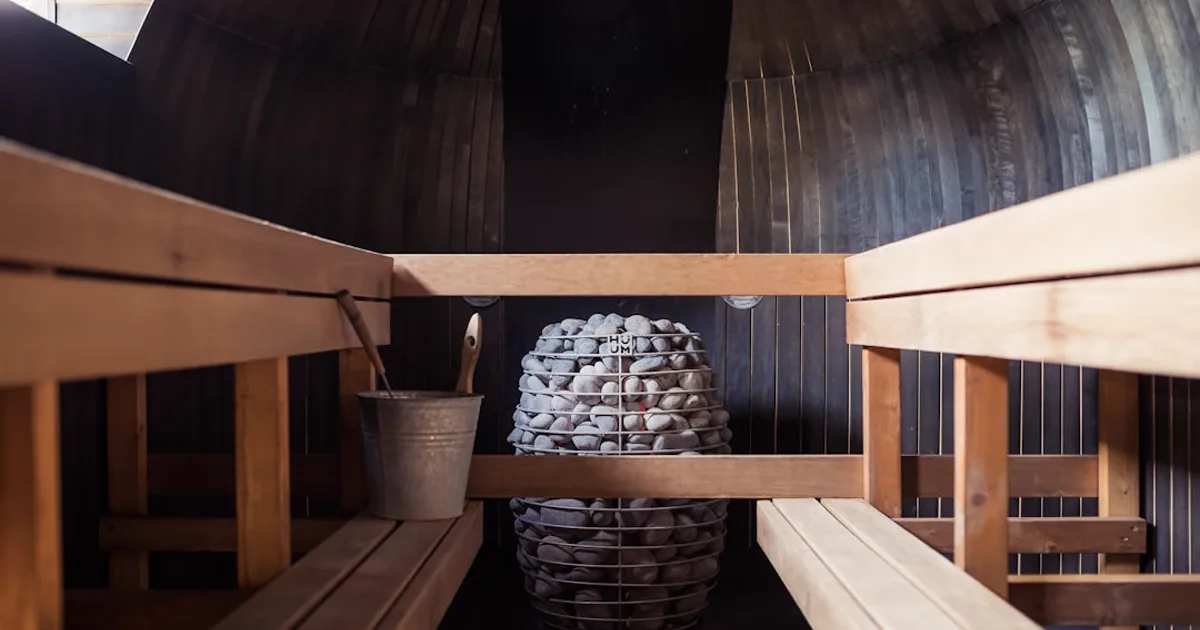
It's 8:00 on a Tuesday and the laptop is still open. You left the office in Blaine an hour ago, drove home to Andover, ate something — and your inbox is still running laps in the back of your mind. Sound familiar? For a lot of North Metro professionals, the hardest part of the day isn't the work. It's switching it off. And in a Minnesota winter, "go for an evening walk to clear your head" isn't always a realistic answer. That's where a deliberate heat ritual earns its place. This guide looks at how an infrared sauna for stress relief can give Andover-area professionals a simple, screen-free way to downshift — what actually happens in your body during a session, when to schedule it, and how to build a wind-down routine that holds up week after week.
Why Evening Heat Helps a Busy Mind Downshift
Desk-bound stress has a nasty quirk: it doesn't come with a finish line. There's no whistle at the end of a shift spent answering emails, so the mind keeps idling in gear long after the workday is technically over. A sauna session gives that transition a hard edge — a set block of time where the only thing on the agenda is sitting in gentle warmth.
Cleveland Clinic's functional medicine team describes sauna time as essentially a meditation session in warmer temperatures, and notes that regular sessions may help lower feelings of stress, anxiety, and low mood. The broader research points the same way: regular sauna bathing is associated with reduced symptoms of anxiety and low mood, with proposed mechanisms including a rise in feel-good beta-endorphins, improved blood flow to the brain, and lower systemic inflammation.
A quick reality check before we go further. This is a supportive wellness practice, not a treatment for anything. The research is still developing, individual responses vary, and the goal here is simply to feel more settled at the end of a long day. For a stressed professional in Ham Lake or Cedar, that's often exactly enough.
What a Wind-Down Session Actually Does to Your Body
The heat-up: a gentle load
Infrared saunas run cooler than the old-school Finnish kind — usually around 110 to 135°F rather than 180-plus. The lower temperature doesn't mean nothing's happening, though. Blood vessels widen, circulation picks up, and your heart rate ticks up a little, which Cleveland Clinic compares to the physiology of walking at a moderate pace. It's a light, manageable stress — the kind your body is built to handle. You can experience this firsthand with infrared sauna sessions at 5D Wellness in East Bethel, a short drive for most of the North Metro.
The cool-down: where the calm actually lands
Here's the part most people don't expect. The deep sense of calm tends to show up after you step out, not during the session. As the body cools, heart rate variability rises — a signal that the nervous system is shifting toward parasympathetic, "rest-and-digest" activity. Sauna regulars even have a name for the loose, refreshed feeling that follows: the "totonou" state. Physiologically, it's your body pumping the brakes on the stress response. So if you leave a session and melt into the couch an hour later, that's the point — not a sign you overdid it.
Sauna and Sleep: Timing the Wind-Down
One of the most practical payoffs of an evening session is what it can do for sleep. Part of the mechanism is temperature. Your core warms up in the sauna and then gradually falls afterward, and that downward drift in core temperature mirrors what naturally happens as you drift off. Cleveland Clinic lists better sleep as one of the bonus benefits of the relaxation a sauna provides.
Timing matters, though. On a work night, aim for a session a couple of hours before bed rather than right before you lie down — you want the warmth to fade, not to climb into bed still flushed. Hydrate well afterward. And if you're new to it, don't chase the highest temperature late in the evening; a gentle, earlier session usually does more for your sleep than a hot, last-minute one.
Building a Simple After-Work Wind-Down Routine
The routine that works is the one you'll actually repeat. For most beginners, that means starting low and short — a lower temperature, a shorter sit — and going three to four times a week instead of trying to make every night a marathon. If you want a deeper look at session length, we broke down how long a session should last in a separate guide.
A sample North Metro weeknight might go like this: leave work, drive over, put the phone in a locker (this part matters), settle into a warm session, take your time with the cool-down, and finish with water and a pinch of electrolytes. The whole thing fits neatly in the window between dinner and winding down for bed. Shift workers know this rhythm well — if you're coming off a long stretch on your feet, the same principles apply, as we covered in our piece on using sauna sessions to unwind after a long shift.
The easiest way to make it stick is to anchor it to something you already do — after your evening gym session, before dinner, or on the same two or three nights each week. Consistency, not intensity, is what turns a nice-to-have into a real off-ramp from work stress.
Give It a Few Weeks: How the Body Adapts
If your very first sessions feel like a bit of a workout, that's normal. Heat is a mild stressor, and early on your body responds accordingly. In a study of athletes, post-exercise infrared sauna use initially nudged cortisol and heart rate upward — but here's the encouraging part. After about six weeks of regular sessions, that stress response settled down and normalized. The body adapted.
Even a single session shows the pattern in miniature. Research on a post-workout infrared sauna found that the acute bump in heart rate during the session didn't carry over into the night — overnight measurements looked normal, and people reported feeling more recovered the next morning. The temporary "stress" of the heat resolves while you sleep, and what's left is the calmer, refreshed feeling. So give the habit a few weeks before you judge it. The first session is the hardest sell; the sixth week is where it clicks.
Frequently Asked Questions
When is the best time to use an infrared sauna to wind down?
Most people find an early-evening session works best — a couple of hours before bed rather than right at bedtime. Warming up and then cooling down afterward can help signal that it's time to rest. If you're new to it, start earlier in the evening so you can see how your body and sleep respond before making it a nightly habit.
How long should a wind-down sauna session be?
For relaxation, 15 to 30 minutes is a comfortable range for most people, and beginners should start on the shorter end at a lower temperature. Cleveland Clinic suggests starting around 110°F for five to ten minutes and keeping sessions under 30 minutes. The calm, settled feeling often deepens during the cool-down afterward, so don't rush to jump back into a busy evening.
Will one sauna session melt my stress away?
A single session can leave you feeling relaxed and refreshed, but the body's response to heat also adapts over time. Research on regular users suggests the initial jump in heart rate and stress hormones settles down after several weeks of consistent sessions. Think of it as a supportive practice you build, not a one-time fix.
Is infrared sauna safe if I'm stressed and not very active?
Infrared saunas run cooler than traditional ones, which makes them approachable for beginners. Still, hydrate well, keep sessions moderate, and step out if you feel dizzy or unwell. Anyone who is pregnant, heat-sensitive, or managing a medical condition should talk with a healthcare provider first. This is a wellness practice, not medical care.
Your Next Step Toward a Calmer Evening
For a stressed North Metro professional, an infrared sauna wind-down is about as simple as self-care gets: a warm, screen-free block of time that leans on your body's own cool-down to help you shift out of work mode. Start low and short, notice how you sleep, and give it a few weeks to become a habit rather than a novelty. When you're ready to try it, you can book a sauna session at 5D Wellness in East Bethel — an easy trip from Andover, Ham Lake, Blaine, and the rest of Anoka County.
This article is for general wellness and educational purposes only and is not medical advice. 5D Wellness services are not a substitute for professional medical care. Results vary by individual. Consult a qualified healthcare provider before starting any new wellness practice, especially if you are pregnant or have a medical condition.