
Red Light Therapy
Red Light Therapy for Remote Workers Facing East Bethel's Dark Winters
5D Wellness Team·8 min read·August 31, 2026
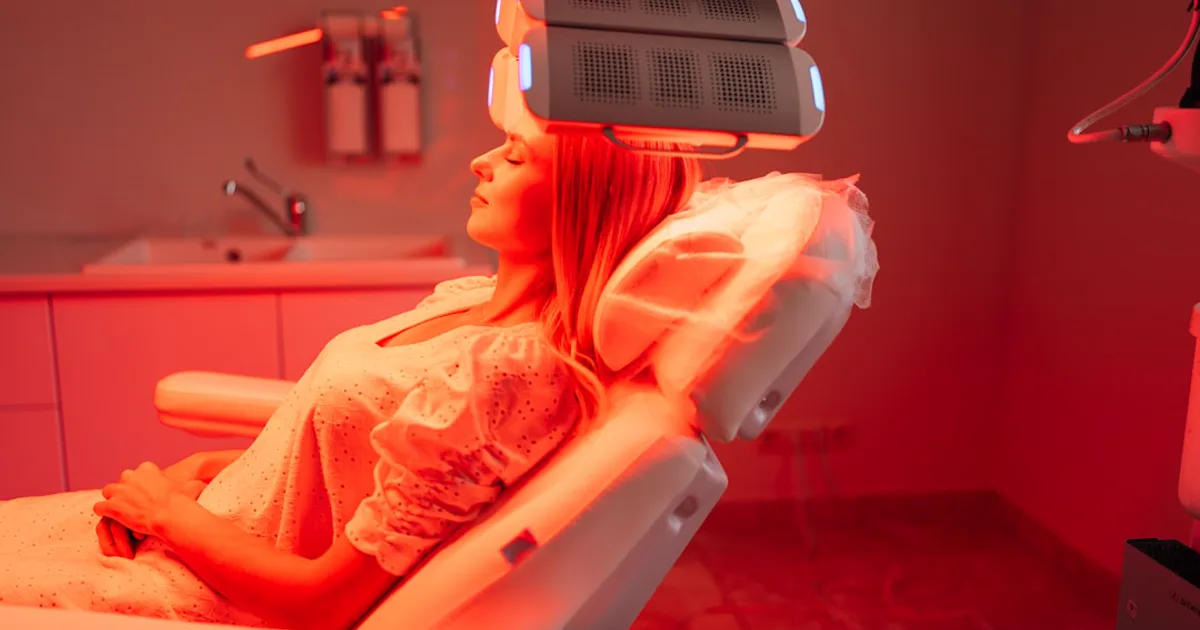
The sun slips behind the tree line before 5 p.m., and if your commute is a ten-step walk from the coffee maker to the kitchen-table desk, some December days you barely make it outside at all. For a lot of remote workers around East Bethel and the North Metro, that's the quiet toll of a Minnesota winter — energy dips, the afternoon slump lands harder, and the whole season can feel like it's running in low-power mode. If you've been hunting for a small, low-effort ritual to lean on, red light therapy for remote workers in East Bethel is worth understanding. Let's walk through what it actually is, how it differs from the SAD lamp you may have heard about, what the research supports, and how to fit it into a work-from-home week.
Why Dark Minnesota Winters Wear Remote Workers Down
Winter here isn't subtle. By late December the sun sets before 5 p.m., and the daylight you do get is often spent indoors, on a video call, watching the light fade through the window behind your monitor.
The daylight math of a North Metro winter
That shortage of sunlight isn't just a mood thing you're imagining. Less daylight can disrupt your circadian rhythm — your body's internal clock — and throw the balance of serotonin and melatonin out of sync, the same chain reaction that affects sleep, mood, and energy through the darkest months. Your body is, in a real sense, waiting for a sunrise signal it isn't getting.
The remote-work amplifier
Working from home strips out the little bits of daylight most people used to get by default — the walk across a parking lot, the sunlit office window, the errand at lunch. Home offices tend to be dim, tucked into a spare bedroom or a basement corner. Take away the incidental light of a commute, add a setup that rarely sees the sun, and your work-from-home winter energy can quietly bottom out before February even arrives.
What Red Light Therapy Actually Is
Red light therapy — you'll also see it called photobiomodulation — uses specific, gentle wavelengths of light delivered to your skin. It's not heat. It's not the tanning-bed UV people sometimes picture, either.
Photobiomodulation in plain terms
The therapy uses red light in the roughly 630-660 nm range and near-infrared around 830-850 nm. Those wavelengths get absorbed by an enzyme in your cells' mitochondria called cytochrome c oxidase, which nudges up the production of ATP — the basic energy currency your cells run on. Red light works closer to the skin's surface, while near-infrared reaches a little deeper toward muscle and circulation.
Red light vs. the SAD lamp — the key distinction
This trips a lot of people up, so let's be clear. A SAD light box is a bright white lamp you sit near in the morning; it sends high-intensity light to your eyes to help reset your circadian clock during dark months. Red light therapy sends red and near-infrared light to your skin to support cellular energy, skin, and recovery. Different tools for different jobs — and plenty of Minnesotans happily use both through winter. If you'd like to see what the panels look like in person, you can explore red light therapy at 5D Wellness in East Bethel. Knowing those distinct red light therapy benefits helps you set the right expectations before your first session.
What the Research Says About Red Light
Red light therapy is a wellness practice, not a medical treatment — so the honest framing is "supportive," not "cure." That said, there's a genuine and growing body of research worth knowing about.
Skin and glow through a dry Minnesota winter
Furnace-dry indoor air is hard on skin, and this is where some of the clearest findings sit. Red light appears to stimulate fibroblasts — the cells that make collagen and elastin — and one clinical study measured increased dermal density and firmness after several weeks of short, consistent sessions. If you've watched your skin go dull and tight by January, that's an appealing angle on a red light therapy Minnesota winter routine.
Recovery and circulation
Because the light supports mitochondrial activity, researchers have also looked at how it affects muscle. Lab work has shown red light can boost mitochondrial energy production and support muscle-cell repair — a plausible reason people reach for it after a workout or a long day hunched over a laptop. One important caveat from the science: red light follows what's called a biphasic dose response, which means more is not better. Short, regular sessions tend to beat marathon ones. Consistency is the real lever.
Building Red Light Into a Work-From-Home Winter
The best wellness habit is the one you'll actually keep, and red light therapy is easy to keep because it asks so little. Think of a short session as a built-in break — something to pair with lunch, or with that 3 p.m. slump when the light outside is already going gray.
If you've never tried it, here's what to expect so the first visit feels easy. You spend a short stretch — often ten to fifteen minutes — near the panels, with the warm red glow on your skin. There's no downtime and nothing to recover from afterward, so it slots neatly into a lunch hour or the gap between meetings. Most beginners are surprised by how low-key it is: no big commitment, no dramatic sensation, just a quiet habit you build over the winter.
It also stacks nicely with other winter habits. Morning daylight or a SAD lamp for your mood and clock, red light for your skin and recovery — they cover different bases, so using both isn't redundant. Night owls and shift workers can adapt the same idea to their hours; our guide for night-shift workers walks through alertness and recovery when your schedule is flipped. And because 5D Wellness sits right in East Bethel, it's an easy drive from Ham Lake, Andover, Blaine, Cedar, and Anoka — close enough to be a real part of your week, not a special-occasion trip.
Frequently Asked Questions
Is red light therapy the same as a SAD light box?
No. A SAD light box delivers bright white light (2,500-10,000 lux) to your eyes in the morning to help reset your circadian rhythm during dark months. Red light therapy is photobiomodulation — red and near-infrared light delivered to your skin to support cellular energy, skin, and recovery. They're different tools, and many Minnesotans use both through winter.
How often should I do red light therapy in winter?
Most published protocols use short, consistent sessions — roughly 10 to 15 minutes, a few times a week, over several weeks. Research points to a biphasic dose response, meaning more light isn't better; consistency matters more than long sessions. At 5D Wellness we help you find a schedule that fits your work-from-home week.
Can I do red light therapy near East Bethel?
Yes. 5D Wellness in East Bethel offers red light therapy for neighbors across the North Metro — Ham Lake, Andover, Blaine, Cedar, Anoka, and beyond. It's an easy add-on to a lunch break or an after-work reset during the darkest stretch of the Minnesota calendar.
Your Small Ritual Toward Spring
Dark winters are genuinely hard on remote workers — that's not a personal failing, just the season doing what it does to a body built to chase the sun. Red light therapy won't change the calendar, but it's one supportive, low-effort tool you can lean on: a few quiet minutes a week that add up as you carry yourself toward longer days. When you're ready to try it, book a red light session at 5D Wellness and see how it fits your winter.
This article is for general wellness and educational purposes only and is not medical advice. 5D Wellness services are not a substitute for professional medical care. Results vary by individual. Consult a qualified healthcare provider before starting any new wellness practice, especially if you are pregnant or have a medical condition.