
Recovery & Performance
A Recovery Routine to Support Focus and Clear Days
5D Wellness Team·10 min read·October 30, 2026
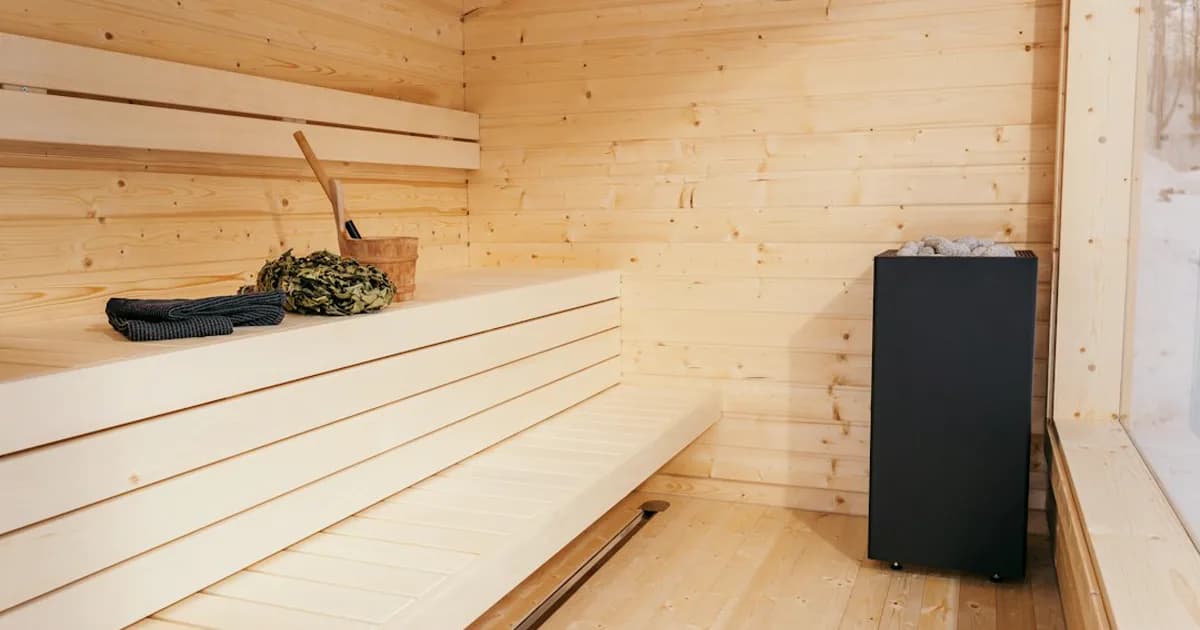
It's 4:50 on a Tuesday in November. The sun went down twenty minutes ago, there's frost on the windshield again, and your brain quit somewhere around two in the afternoon. Nothing is wrong, exactly. You just have no edge left.
That slide isn't a character flaw. For most people in the North Metro it's three ordinary things stacked on each other: a sleep debt that's been quietly building, a schedule with no slack in it, and a Minnesota winter that takes the daylight away right when you need it. A good wellness routine for focus and clarity is less about one magic session and more about putting a few supportive habits in the right order — plus a weekly rhythm that survives February in East Bethel, Ham Lake, Andover and Cedar.
Start With Sleep — Everything Else Is a Multiplier
The baseline nobody can shortcut
If you only change one thing, change this one. Harvard Health puts the number at seven to eight hours a night to restore mental clarity and improve memory, and the deficit side is where it gets uncomfortable. Short on sleep, attention and concentration decline, reaction time stretches out, and you stop responding well to the signals around you — roughly a description of a bad Thursday. Go 48 hours without sleep and the cognitive impairment is comparable to a blood alcohol level of 0.1 percent, above the legal driving limit.
Here's the encouraging half of the same research: it's recoverable. Clean up the habits and the fog can lift within about a week, longer if the debt has been building for months.
What gets in the way around here
The obstacles in Anoka County are specific. Shift work along Highway 65. Hockey practice at an hour that shouldn't exist. Plow shifts that scramble a sleep window for weeks. Screens after nine, which Harvard names directly as an interference factor. And by late December it's dark before five, so your body loses the daylight cue it uses to keep time.
You can't fix the sunset. You can protect the window, park the phone earlier, and use heat in the evening to make falling asleep easier — the idea behind a sauna routine built around better sleep.
Heat: Fifteen Minutes That Settles the Day
What the research actually says
A recent review of sauna bathing and mental health found that regular sessions are associated with reduced symptoms of stress and anxiety, improved sleep quality and enhanced cognitive function, with beta-endorphin release and autonomic nervous system modulation among the proposed mechanisms.
Read that carefully, though. The same authors are blunt about the limits — small samples, poorly standardized protocols — and they describe sauna bathing as an adjunctive lifestyle practice rather than a proven therapy. Cleveland Clinic lands in a similar place, noting that evidence supports benefit for people in high-stress situations, with potential improvements in anxiety and sleep quality. Supportive, promising, not a prescription.
The practical version at 5D
Infrared saunas run 110 to 135°F, well below a traditional sauna's 150 to 195°F. That difference matters more than it sounds. Infrared is a sit-and-breathe temperature, not an endurance test, which is why people who bounced off a traditional sauna often do fine in ours.
Keep a session to about 15 to 20 minutes. On a first visit, five minutes is plenty — you're not proving anything. Drink water before and after, because fluid loss shows up later as a headache, or a cramp in your calf at midnight.
Check with your provider first after a recent heart attack or stroke, if you're pregnant or trying to conceive, if you're over 65 or under 16, or if you take medications affecting heart rate or temperature regulation. And never use a sauna with alcohol in your system.
Cold: The Two-Minute Reset That Feels Like a Switch
Why it lands as alertness
Cleveland Clinic reports that cold immersion is linked to reduced stress and gains in alertness, and that some people experience it as a form of mental meditation — two minutes where there's no room in your head for your inbox. Part of the mechanism works without a tank at all: cold on the face or neck activates the body's calming response, potentially slowing heart rate and redirecting blood toward the brain.
Beginner-safe parameters
Start in the 50 to 59°F range, and don't go below 40°F. Cap any session at five minutes — one to two minutes is the right first dose, once or twice a week early on. Get out immediately if you feel lightheaded. Cold water turns dangerous faster than it feels like it should.
One timing note people miss: skip the plunge within four hours of strength training, because the same inflammation-damping effect that makes cold feel so good can mute the muscle-building signals your body sends after lifting. And talk with a healthcare provider first if you have heart disease, high blood pressure, diabetes, peripheral neuropathy or poor circulation, or if you're pregnant.
One local distinction: a monitored 40-degree tank indoors is a different proposition from a hole cut in the ice off a lake road, which is the whole argument for a morning cold plunge routine you can actually repeat.
Red Light and Quiet-Room Time: The Low-Effort Additions
What the evidence supports — and what it doesn't
A systematic review pooled five randomized trials covering 240 participants and found that red and near-infrared light therapy modestly improved subjective sleep-quality scores compared with a sham control, a mean difference of −1.25 on the Pittsburgh Sleep Quality Index.
The authors' own cautions deserve equal billing: a wide confidence interval, a high risk of bias across all included trials, mostly self-reported measures, and an effect that may not reach a clinically meaningful threshold. So red light belongs in a routine as a pleasant, low-friction addition rather than the load-bearing piece.
Ten to twenty minutes in a panel room before or after the sauna costs almost nothing in scheduling. If bright light isn't your thing, the salt room is the quiet-time version. Both work partly because they make you sit still with no phone for a quarter hour — worth something on its own in November.
The Between-Sessions Layer: Free, Boring, Effective
Cleveland Clinic's paced-breathing guidance is about as simple as instructions get: inhale for four seconds, exhale for six. The longer exhale signals safety to the vagus nerve, which lets it relax and dials back stress hormones. It works at a desk, in a truck in the Cub lot, and in the ninety seconds before a meeting you're dreading.
Three more from the same list: cold water splashed on the face when the afternoon flattens out, humming or singing long tones (the nerve runs through your throat and inner ear), and moderate movement to balance the sympathetic and parasympathetic systems. The walk deserves emphasis here — a fifteen-minute loop at lunch is often the only daylight some people get in January, which makes it a sleep habit disguised as exercise.
Putting It Together: A Week That Fits a North Metro Schedule
Every night, a protected seven-to-eight-hour sleep window with screens parked by 9:30. Twice a week, a visit: 15 to 20 minutes of infrared sauna, a one-to-two-minute plunge, then ten quiet minutes before you put your coat back on. Once a week, add red light or the salt room to one of those visits. Daily and free, the four-in, six-out breath a couple of times plus a daylight walk when the roads cooperate.
Then once a month, ask the only question that matters: are mornings easier than they were four weeks ago?
The habits that survive are bolted to something already on your calendar — after a shift, after practice at the Blaine rinks, on the drive home through Andover. Drop-in intentions tend to die around the second week of February. A standing appointment doesn't, which is most of the case for a membership at 5D Wellness in East Bethel. For a version organized around stress rather than focus, see a weekly stress-reset routine built on the same bones.
Frequently Asked Questions
How long does it take to notice a difference in focus?
Most of the early change comes from sleep, not from any single therapy. Harvard Health notes that people who clean up their sleep habits can clear brain fog within about a week, longer if the debt has been building for months. For sauna and cold sessions, give it three or four weeks of consistent attendance before you judge — one visit is a nice afternoon, a month of visits is a habit you can evaluate.
Should I do the cold plunge before or after the sauna?
Either order works, and regulars often describe the alternation itself as the part that produces the clearest mental reset. A common pattern at 5D is fifteen minutes of heat, a short plunge, then a few quiet minutes to let your breathing settle. One rule: Cleveland Clinic advises against plunging within four hours of strength training.
How often should a beginner come in?
Twice a week is realistic for most people in the North Metro, and Cleveland Clinic suggests beginners limit cold plunging to once or twice weekly. Keep the first sauna session to about five minutes and the first plunge to one or two.
Is a focus routine like this safe for everyone?
No, and that's worth being plain about. Cleveland Clinic recommends that people with heart disease, high blood pressure, diabetes, peripheral neuropathy or poor circulation, and anyone pregnant, speak with a healthcare provider before starting cold plunging or regular sauna sessions — as should anyone over 65, under 16, or on medications affecting heart rate.
What if I only have one evening a week?
Then make it one good evening. A single 15-to-20-minute sauna session with a short plunge and ten quiet minutes afterward is a complete visit, and it pairs well with protecting your sleep the other six nights.
Where to Start This Week
The routine that supports focus is mostly unglamorous. Sleep protected first, because nothing downstream compensates for missing it. Heat and cold used consistently rather than heroically. A few free habits in the gaps. Individual experience varies, and the honest read of the research says promising more often than proven.
5D Wellness is a few minutes off Highway 65 in East Bethel, serving Ham Lake, Andover, Blaine, Cedar, Oak Grove and St. Francis. Book a first session and keep it short — five minutes of heat, two of cold, and see how the next morning goes.
This article is for general wellness and educational purposes only and is not medical advice. 5D Wellness services are not a substitute for professional medical care. Results vary by individual. Consult a qualified healthcare provider before starting any new wellness practice, especially if you are pregnant or have a medical condition.
This article is for general information only and is not medical advice.