
Cold Plunge
A Cold Plunge Routine to Support Morning Energy
5D Wellness Team·10 min read·October 13, 2026
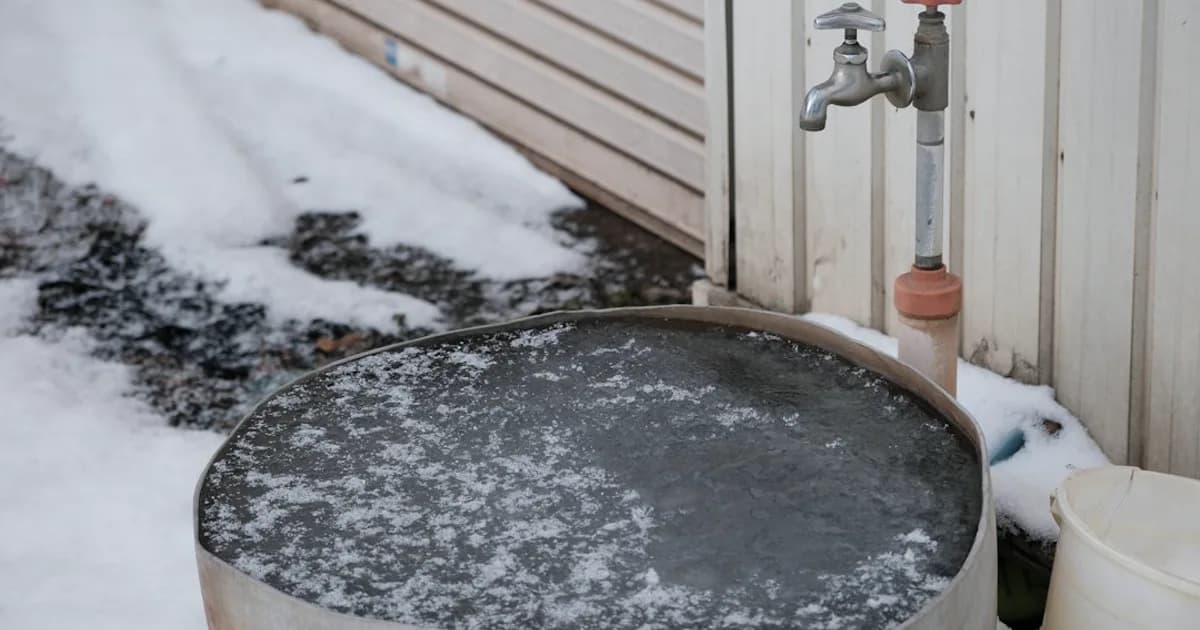
Why Anyone Would Get Into Cold Water at 6 a.m.
There's a specific kind of January morning in East Bethel: the sky still black, the truck needing ten minutes to thaw, the first cup of coffee not quite reaching the part of your brain you need. If that's most of your winter, you've probably heard a neighbor mention a cold plunge routine for energy — 60 to 120 deliberately uncomfortable seconds in cold water that leave them more awake than the coffee did.
It sounds like a stunt. It isn't, quite. There's real physiology behind the alertness people describe, plus a fair amount of hype stacked on top of it. This guide separates the two: what the cold does to your nervous system, what studies actually show, a starter protocol with honest numbers, and who should talk to a provider first.
Why Cold Water Sparks a Morning Energy Shift
The cold shock response, in plain language
The moment cold water hits a large area of skin, your sympathetic nervous system fires. As Harvard Health explains it, that sends powerful neurotransmitters like adrenaline and norepinephrine into your bloodstream, which speeds up your heart rate and blood pressure. Blood vessels near the surface narrow. Flow redirects toward your core. Your breathing jumps.
Say it plainly: a plunge is a demand on your body, not a free lunch. The upside and the caution come from the same mechanism. Norepinephrine is the piece that maps onto feeling switched on — a review of cold water therapy calls it the neurotransmitter that heightens alertness and focus, alongside a dopamine response the same review ties to mood and motivation.
Why morning is the natural slot
Cleveland Clinic family medicine physician Dr. Christopher Babiuch gives the practical version: that initial shock triggers a wave of alertness that may help you feel more clear-headed and focused, which is exactly why morning is when people tend to schedule it.
A plunge is a state change, not a stimulant. You're not adding fuel. You're flipping a switch from sluggish to alert, and over the next half hour that tends to settle into a steady kind of calm. No caffeine crash to manage later — and no reason to think of it as a substitute for sleep. If you're averaging five hours a night through a long Minnesota winter, cold water isn't the fix. It just makes the morning you have easier to start.
What the Research Actually Supports
The alertness finding
The most quoted study here is small but careful. Researchers put 33 healthy adults through a five-minute, head-out immersion in water held near 20 degrees Celsius, with brain imaging before and after. Participants came out reporting they felt more active, alert, attentive, proud, and inspired, with their positive-to-negative mood ratio shifting from 1.75 to 3.0. Habitual winter swimmers tell a similar story — less tension and fatigue, and they describe themselves as more vigorous and brisk than non-swimmers.
Where the evidence is thin
It would be dishonest to stop there. Harvard Health points to a 2025 analysis of 11 studies that found cold-water immersion may temporarily lower stress, improve sleep quality, and slightly enhance quality of life — but turned up little support for broader mood or immunity claims. The same article notes there's no consensus on the best temperature, timing, or duration.
So: plenty of people find a short plunge energizing, there's a plausible mechanism, and the early evidence is encouraging but limited. Results vary by person. A good reason to try it as a wellness habit — not a reason to expect anything medical from it.
A Beginner-Friendly Cold Plunge Routine for Energy
The numbers: temperature and time
Specifics matter more than enthusiasm here. Cleveland Clinic suggests a safe starting range of 50 to 59 F (10 to 15 C) and cautions against going below 40 F (4 C) at all. On duration, their guidance is that sessions should never run longer than five minutes, and that beginners should limit theirs to a minute or two.
Read that twice, because the instinct is backwards. Newcomers chase colder water as proof of progress when the variable that matters is composure — how calm you can stay for 90 seconds. Our first-timer's walkthrough covers what the room and the tank are actually like.
The first 30 seconds, where most people quit
Expect a gasp. Your chest tightens, your breathing wants to go shallow and fast, and that reflex is the whole reason the first half-minute feels unmanageable. The counter is simple but takes practice: long, slow exhales through the nose, shoulders dropped, feet flat on the bottom. Entry order helps too — legs and hips first, then sit, then let your shoulders go under once your breathing settles. One rule isn't negotiable. Lightheadedness, breathing you can't control, or discomfort beyond the plain sensation of cold means you get out.
Easing in instead of diving in
Dr. Babiuch's recommendation is to acclimate rather than leap — start a shower warm and walk the temperature down over several days before your first tank session. The cold water therapy review agrees: acclimatize first, then raise intensity and frequency gradually based on your own tolerance. Build duration before you touch the thermostat.
How often to start
Cleveland Clinic suggests beginners plunge only once or twice a week, and studies of long-term cold-water swimmers typically involve two to three sessions weekly rather than daily immersion. Two mornings a week is a routine you can still be doing in February, which is the actual goal. Afterward, rewarm on purpose: dry off fast, warm layers, keep moving.
Building a Cold Plunge Routine Into a North Metro Morning
Contrast: plunge and sauna in one visit
The format that sticks around here is contrast — a short plunge, then sauna heat as the rewarming step. Minnesotans take to it naturally, probably because the sauna half already feels familiar. It also solves the least glamorous problem with cold water: shivering in a 10-degree parking lot afterward. You can do both at cold plunge therapy at 5D Wellness, and if sleep is what you're really chasing, our guide to a sauna routine for better sleep works the same tools from the other end of the day.
Logistics for real schedules
If you work an early shift or you're on 65 by 6:30, the appeal of a managed tank is that the water is already at temperature — nobody is hauling ice into a stock tank in the dark or guessing whether 44 degrees counts as too cold. We compared the tradeoffs in DIY ice bath versus a studio plunge, and for most people in Ham Lake, Andover, Blaine, Cedar, Oak Grove, and St. Francis it comes down to whether you'd rather own the setup or just show up.
Timing around training
One scheduling note: cold immersion within roughly four hours after a strength session may blunt some of the adaptation you trained for. If you lift in the morning, plunge first or shift it to a rest day.
Who Should Talk to a Provider First
Cold water is a cardiovascular demand, so this part isn't boilerplate. Cleveland Clinic advises talking with a healthcare provider first if you have heart disease, high blood pressure, diabetes, peripheral neuropathy, circulatory problems, venous stasis, or cold agglutinin disease, or if you're pregnant.
Harvard Health is more pointed about two groups. Anyone with a heart rhythm disorder such as atrial fibrillation should avoid cold plunges entirely, since the adrenaline surge can disrupt rhythm. Raynaud's syndrome and peripheral artery disease warrant real caution too, because cold exposure already narrows arteries in those conditions.
The exit signs are the same for everyone: dizziness, gasping or breathing you can't control, a racing heartbeat, or discomfort past the feeling of being cold. Don't plunge alone, and don't push through something that feels wrong. As one Cleveland Clinic physician puts it, cold water can become dangerous quickly.
Frequently Asked Questions
How long should a morning cold plunge last if I want an energy boost?
Short is the point. Cleveland Clinic advises keeping any plunge under five minutes and suggests beginners stop at one to two minutes. The study most cited for the alertness effect used a single five-minute immersion, so longer isn't better. Get in, breathe, get out.
What water temperature works best for a cold plunge routine for energy?
A reasonable starting range is 50 to 59 F (10 to 15 C), and Cleveland Clinic cautions against going below 40 F (4 C) at all. Colder isn't automatically more effective — it mostly shortens how long you can stay calm in the water, which is the part that matters for how you feel afterward.
Should I plunge every morning?
Most people don't need to. Beginners are advised to start at once or twice a week, and studies of long-term cold-water swimmers typically involve two to three sessions weekly rather than daily immersion. Starting with two mornings a week gives you a routine you can actually keep through a Minnesota February.
Is a cold shower at home the same thing?
It's a workable on-ramp and a useful way to acclimate, but it isn't equivalent. A shower cools a smaller share of your skin and never gets as cold as a managed tank, so the response is milder. Many people use cold showers on off days and save the plunge for mornings they want the bigger shift.
Can I plunge before a morning lift?
Watch the order. Cold immersion within roughly four hours after a strength session may blunt some of the muscle adaptation you trained for, so if you lift in the morning, plunge first or move it to a rest day. Ask a trainer or healthcare provider what fits your program.
Your Two Mornings a Week
The appeal of a cold plunge routine for energy isn't that it's dramatic. It's that it's short, repeatable, and gives you a clear shift at the hour of the day you least want to be negotiating with yourself. Two mornings a week, 50 to 59 degrees, under five minutes, with honest expectations about what the research does and doesn't show — that's a habit, not a project.
If you'd rather try it in a room where the water is already dialed in and the sauna is ten steps away, book a session and start with 60 seconds. You can decide about February later.
This article is for general wellness and educational purposes only and is not medical advice. 5D Wellness services are not a substitute for professional medical care. Results vary by individual. Consult a qualified healthcare provider before starting any new wellness practice, especially if you are pregnant or have a medical condition.