
Cold Plunge
Why You Pee After a Cold Plunge: Immersion Diuresis Explained
5D Wellness Team·8 min read·November 19, 2026
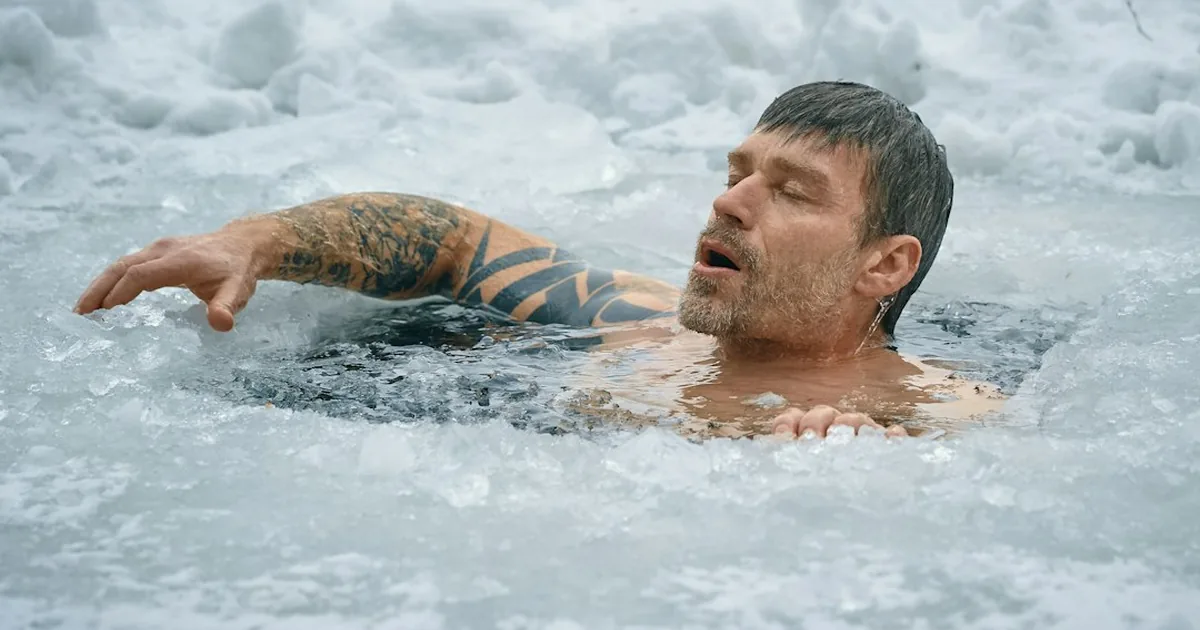
Why you pee after a cold plunge: immersion diuresis in plain words
You step out of the 40°F water, reach for the towel, and the first thing on your mind is the restroom. If that sounds familiar, you're in good company. Plenty of first-timers in East Bethel, Ham Lake and Andover mention it, and so do swimmers at every lake in the North Metro once the water turns cool.
The effect has a name: immersion diuresis. Diuresis just means making more urine. The Divers Alert Network (DAN) says the urge to urinate is common in diving, even among people who do not usually need to go often, and that immersion diuresis occurs whenever the body is immersed in water. Cool water adds to it. Below: the mechanism, what researchers have measured, and a few simple ways to plan your drinks. It's general education, not medical advice.
The same thing is reported by long-distance swimmers. A hydration company's write-up on open-water swimming describes the need to pee, in its words, "a lot" once a swimmer is in the water for a while. So it isn't a quirk of plunging. It's a response to being immersed.
What the blood shift does
Vessels narrow and blood moves toward the middle
DAN explains that immersion combined with cool water narrows blood vessels in the extremities, mostly in the skin and the tissue just under it, and in the muscles of the arms and legs. With less room out there, more blood is sent to the heart, lungs and large vessels in the center of the body.
Buoyancy plays a part too. On land, gravity pulls blood down toward your legs. In water, that pull is counterbalanced, and the same Precision Hydration piece describes blood volume shifting toward the chest. If you want the full picture of the other things going on in your body at that moment, see our guide to what happens to your body during a cold plunge.
The body reads it as extra fluid
Here's the step that explains the restroom trip. Your body keeps track of how much blood is circulating centrally. When more of it pools in the middle, DAN says the body reads the change as "fluid overload." In response, production of antidiuretic hormone (ADH) stops. ADH is the hormone that controls when and how much urine your kidneys make, so with it switched off, the kidneys can start making urine right away to bring the centrally circulating volume back down.
DAN calls this the body's automatic response to preserve blood volume. Nothing about it means something went wrong. The same switch flips for a swimmer in a pool.
One caution: the swimming write-up points out that many influences are involved, including mechanical, neural, environmental and chemical ones, and that the blood volume effects involve complex feedback loops. The steps above are the short version.
What researchers have measured
The clearest numbers come from a lab study published in the Journal of Physiology in 1998. Researchers had seven men in good health sit neck deep in water for six hours, with a seated control day in an empty tank for comparison. Here is what they found:
- Plasma vasopressin, the other name for ADH, fell from an average of 0.76 to 0.23 pg/ml within the first hour, and it stayed low for the whole immersion. In five of the seven men it was undetectable at the one hour mark.
- Urine flow rose from 1.2 to a peak of 7.2 ml per minute in the second hour. By the sixth hour it was no different from the control day.
- Urine became much more dilute. Its concentration dropped from 574 to 117 mosmol/kg after two hours, which tells you much of the extra output was water.
- Sodium excretion climbed steadily across the six hours.
The authors concluded that the drop in vasopressin likely drives the early burst of urine. Two honest limits apply. It was seven people, and it was water immersion in a lab, not a 40°F plunge, so these figures say nothing about how much any one plunge will make you pee. What they show is the sequence: ADH drops, urine flow rises, and the effect fades with time.
Older animal work points the same direction. In a rat study on cold diuresis, the extra urine disappeared when the animals were given a steady infusion of vasopressin, which points to the body's own vasopressin being suppressed. That is animal research, so we count it as supporting context only.
Planning your drinks before and after
There's no sourced fluid target for a plunge, so we won't invent one. A few practical points do come from the sources above:
- Thirst can go quiet. The Precision Hydration piece notes that immersion can blunt the desire to drink, and its takeaway for swimmers is to stay well hydrated, especially in cold water, and not to let the urge to pee stop you from drinking.
- The fluid gets replaced. DAN says that once you leave the water, circulating volume returns to near normal and the fluid lost to urine is quickly replaced as the body draws fluid from tissues such as muscles.
- Caffeine may add to it. DAN notes caffeine is a diuretic and interferes with ADH production, so some people choose to wait on the coffee until after their plunge.
- Salt matters too. The swimming write-up says excess urine production from cold exposure can deplete sodium. Our simple hydration primer covers the basics of drinks with electrolytes.
A simple plan for a visit: use the restroom before you get in, keep a bottle of water within reach, and sip once you are out and dressed. Our post on what to do after a cold plunge walks through warming up slowly, drinking and eating. If you have a medical condition or a urinary concern, ask your clinician what is right for you. DAN itself says to see your doctor if the situation causes problems.
The takeaway before your next plunge
Needing the restroom after a plunge is a normal reaction to immersion. Blood shifts toward the middle, ADH switches off, and the kidneys make urine. It's common, it's explained, and a little planning makes it a non-event. Neighbors from Blaine, Cedar, Isanti and across Anoka County can try the cold plunge at 5D Wellness in East Bethel, where the water sits at 40°F, and bring along a water bottle for afterward.
Frequently Asked Questions
Is it normal to need to pee right after a cold plunge?
Yes. DAN describes immersion diuresis as something that occurs whenever the body is immersed in water, and many people leave the water with a full bladder. It is a common response, not a sign that something went wrong.
Does the urge go away after you get out?
In the six hour study, urine flow peaked in the second hour of immersion and by hour six matched the control day. A plunge is far shorter than that, so for most people the urge fades once they are out and warm. If it does not, or it comes with discomfort, talk with your doctor.
Should I skip the coffee before a plunge?
DAN notes caffeine is a diuretic and may add to the effect, so some people choose to wait until after. That is a personal comfort call, not a rule.
Why do I not feel thirsty after a plunge even though I peed so much?
The swimming write-up says immersion can blunt thirst signals, so the desire to drink may be lower than you would expect. Keeping a bottle of water nearby makes it easy to sip even when you do not feel the pull.
This article is for general wellness and educational purposes only and is not medical advice. 5D Wellness services are not a substitute for professional medical care. Results vary by individual. Consult a qualified healthcare provider before starting any new wellness practice, especially if you are pregnant or have a medical condition.
This article is for general information only and is not medical advice.