
Cold Plunge
What Happens to Your Body During a Cold Plunge
5D Wellness Team·9 min read·July 7, 2026
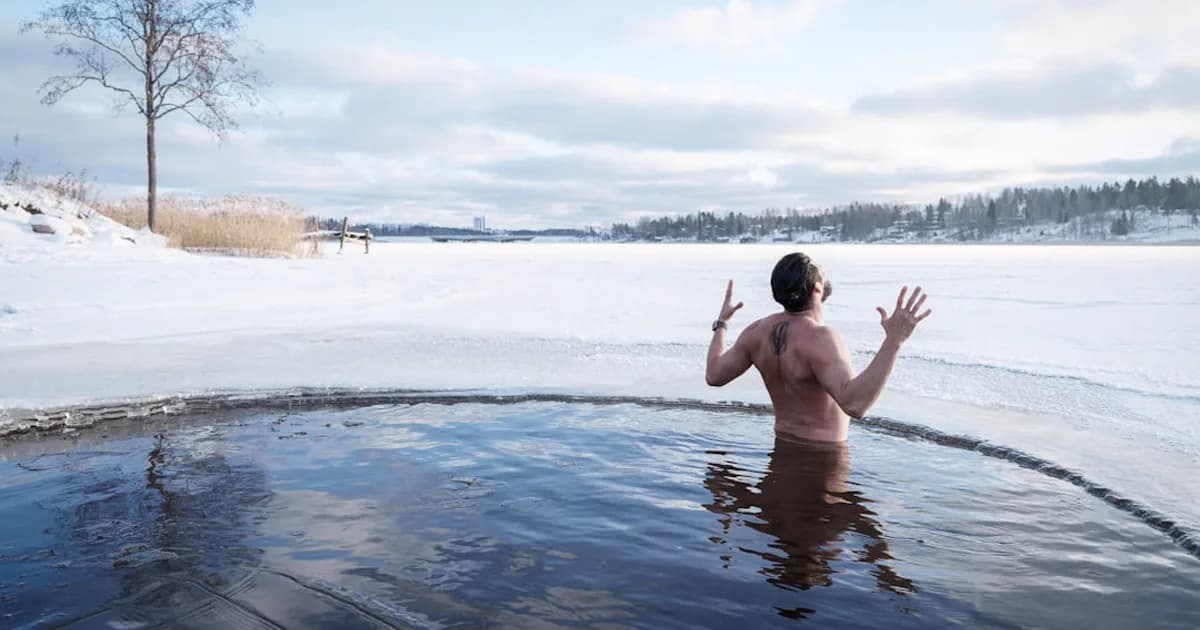
If you've ever lowered yourself into a cold plunge, you know the moment. The water hits, your breath catches, and for a second your whole body seems to shout what are you doing? That gasp isn't just for show — it's the opening move in a fast, dramatic chain of events happening under your skin.
Around here, plenty of people get curious about cold water without ever calling it a "practice." Maybe it's a July dip in a lake near East Bethel, a shocking rinse after the sauna, or a long Minnesota winter that makes an ice bath sound less crazy than it used to. If you've wondered what's actually going on when you plunge, this is a plain-English tour of the physiology — no hype, no medical claims, just what your body is doing and why. And if you'd rather experience it in a controlled setting, that's exactly what cold plunge at 5D Wellness is set up for.
The First 60 Seconds: The Cold Shock Response
The most intense part of a cold plunge is usually over before you've even settled in. The instant cold water surrounds you, your body triggers what researchers call the cold shock response — a reflex, not a choice.
The gasp and the racing heart
Cold water flips your sympathetic nervous system into "fight or flight." According to Harvard Health, that initial shock "sends powerful neurotransmitters like adrenaline and norepinephrine into your bloodstream, which speeds up your heart rate and blood pressure." At the same time, you take a sharp, involuntary gasp and your breathing quickens.
This is exactly why you never plunge head-first, and why controlled breathing matters so much. That gasp reflex is harmless when your face is above water — and genuinely dangerous when it isn't. It's also why the pros tell you to keep your shoulders back, exhale slowly, and let the panic pass instead of fighting it. (Curious how cold the water actually needs to be? Colder isn't the point. Controllable is.)
Why it settles
Here's the reassuring part. For most healthy people, that alarm-bell feeling peaks in the first 30 to 60 seconds and then eases. As your breathing steadies, the sense of emergency fades and you're left with a very awake, tingling kind of cold. Getting through that first minute is largely a breathing skill — not a toughness contest.
Blood Flow Shifts: What Vasoconstriction Does
While your nervous system does its thing, your circulatory system is quietly rearranging itself.
Vessels narrow, blood moves inward
Cold plunges work largely through vasoconstriction. As the Cleveland Clinic explains, "when exposed to icy water, blood vessels narrow temporarily," which "temporarily reduc[es] swelling and inflammation to aid recovery." The vessels near your skin tighten to protect your core temperature, pulling blood away from your arms, legs, and skin and shifting it toward your chest and vital organs.
That inward shift is smart thermoregulation, but it adds up to a temporary rise in blood pressure and a bit more work for your heart. A healthy person usually tolerates it fine. For someone with an existing heart condition, though, it's a real reason for caution — more on that below.
The rewarming rebound
The part people fall in love with often comes after the plunge. When you climb out and warm up, those narrowed vessels reopen and blood rushes back out to your skin and limbs. That's the flushed, tingly, pleasantly warm glow that follows a good cold session — the rewarming rebound. Drying off quickly and layering up helps the process along.
Your Nervous System Gets a Jolt
Beyond heart rate and blood flow, cold water sets off a wave of brain chemistry — and this is where a lot of the "I feel amazing" reports come from.
Norepinephrine, dopamine, and the mood lift
That same norepinephrine driving the cold shock response also sharpens circulation and alertness. A review on cold water therapy notes it "enhances blood circulation ... heightens alertness, and possesses anti-inflammatory properties." The real eye-opener is dopamine: the same review cites a study in which cold water immersion "increased dopamine concentrations by 250%." Dopamine drives focus and motivation, which helps explain the clear-headed, slightly euphoric buzz so many people describe walking away from a plunge.
Brown fat and metabolism
Sustained cold also wakes up brown adipose tissue — "brown fat" — a type of fat that burns energy to make heat instead of storing it. The same review describes how cold triggers "non-shivering thermogenesis, where [brown fat] activates to generate heat," nudging up energy expenditure and supporting glucose and cholesterol metabolism. It's one of the more genuinely interesting long-term angles on cold exposure, even if it's no reason to expect dramatic changes.
What the Science Actually Says (vs. the Hype)
Cold plunging has become a full-blown trend, and the claims have raced ahead of the research. Here's the honest picture.
Stress relief is real — but delayed
A systematic review and meta-analysis of 11 trials found something surprising: cold-water immersion produced a "significant reduction in stress ... 12 hours post," with no significant change immediately or one hour afterward. In other words, the calm may show up later that day, after the initial jolt. Your body ramps up first, then rebounds toward a more relaxed state.
Sleep, inflammation, and mood: a mixed bag
The same analysis found modestly better sleep-quality scores after cold immersion, especially following exercise. But it also complicates the popular "reduces inflammation" story — the researchers actually measured short-term increases in some inflammation markers right after immersion, and found no significant mood boost in the one trial that tested it directly. None of this means cold plunging does nothing. It means this is a supportive wellness practice with promising-but-still-limited evidence, not a cure-all. Approach it with that mindset and you keep both your expectations honest and your experience enjoyable.
How to Plunge Safely
Once you understand what's happening in your body, the safety guidance makes sense — it's all about giving that cold shock response a controlled, brief dose.
Temperature, time, and rewarming
The Cleveland Clinic suggests beginners start around 50–59°F (10–15°C), avoid water below 40°F, and keep sessions short — "never exceed five minutes," with newcomers sticking to just one or two. Cold shouldn't mean miserable. A manageable temperature you can breathe through beats an extreme one you have to endure. When you're done, dry off and warm up promptly. Not sure where to begin? We've broken down how long a beginner should stay in in its own guide.
Who should be cautious
Because a plunge briefly spikes heart rate and blood pressure, it isn't right for everyone. Harvard Health flags that people with heart-rhythm disorders — atrial fibrillation in particular — along with peripheral artery disease or Raynaud's should steer clear. The Cleveland Clinic adds heart disease, high blood pressure, diabetes, poor circulation, and pregnancy to the "check with your provider first" list. If any of that describes you, ease in slowly and get personalized guidance — here's who should ease in slowly and why.
Frequently Asked Questions
How long should you stay in a cold plunge?
Most guidance keeps sessions under five minutes, and beginners are often advised to start with just one to two. The goal isn't to tough it out — it's to get a controlled dose of cold and get out while you still have good motor control. If you feel lightheaded or your breathing won't settle, that's your cue to step out.
What temperature should a cold plunge be?
Beginner-friendly cold plunges usually sit around 50–59°F (10–15°C), and water below about 40°F is generally considered too cold to start with. Colder isn't automatically better — a manageable temperature you can breathe through is far more useful than an extreme one you have to fight.
Is a cold plunge safe for everyone?
No. The cold shock response briefly raises heart rate and blood pressure, so anyone with heart disease, a heart-rhythm disorder like atrial fibrillation, high blood pressure, Raynaud's, poor circulation, diabetes, or who is pregnant should talk to a healthcare provider first. This is a wellness practice, not medical treatment.
Why do I feel so good after a cold plunge?
Cold exposure triggers a surge of norepinephrine and, in some studies, a large rise in dopamine — the same chemistry tied to alertness and mood. That's a big part of the post-plunge buzz. Interestingly, research suggests the calming, stress-lowering effect may actually peak hours later rather than right away.
Putting It All Together
A cold plunge packs a lot into a couple of minutes: a jolt of adrenaline and a caught breath, blood pulling inward to guard your core, a flood of norepinephrine and dopamine that sharpens your mind, then that warm, buzzing rebound as you thaw out. It's a genuinely fascinating full-body cascade — and an approachable one, as long as you respect the cold and start gently.
Curious to feel it for yourself in a supervised setting here in East Bethel? Our cold plunge therapy is a comfortable place to take that first controlled breath. Start slow, listen to your body, and enjoy the buzz.
This article is for general wellness and educational purposes only and is not medical advice. 5D Wellness services are not a substitute for professional medical care. Results vary by individual. Consult a qualified healthcare provider before starting any new wellness practice, especially if you are pregnant or have a medical condition.