
Massage & Bodywork
Massage as Part of a Stress-Relief Wellness Routine
5D Wellness Team·11 min read·October 31, 2026
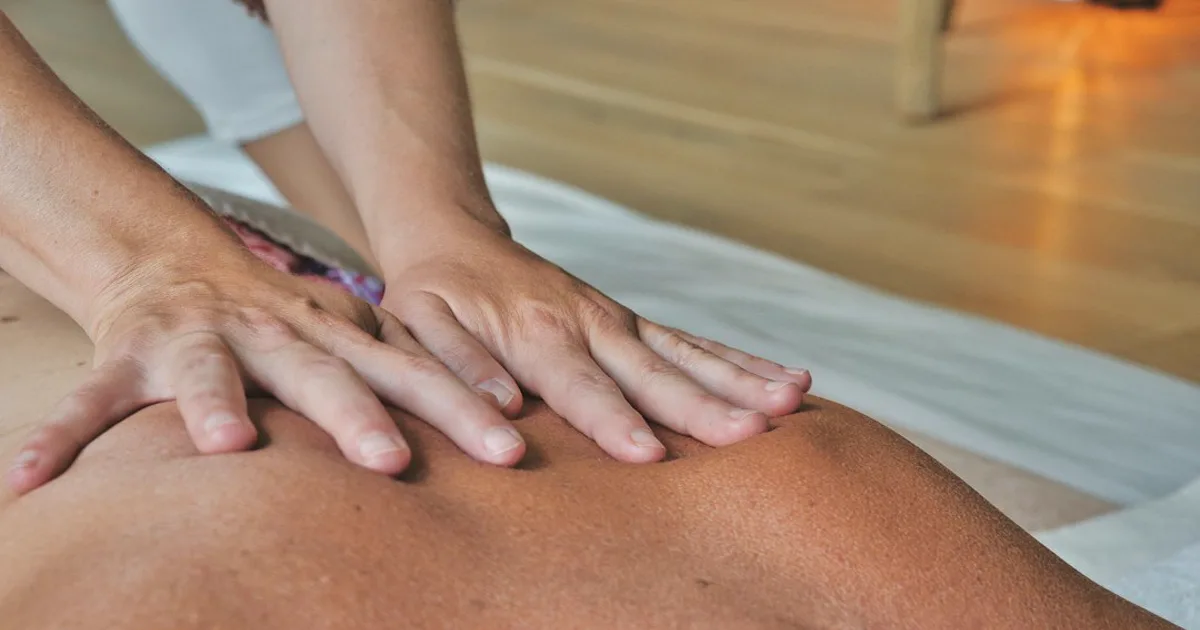
It gets dark at 4:45 now. You drive home down Highway 65 with the heater going, and somewhere between Blaine and the East Bethel exit you notice your shoulders have been up around your ears since about Tuesday. That's the Minnesota version of stress, and it isn't going anywhere. What you do with it can change — and building a massage for stress relief routine is one of the more reliable moves available locally.
Notice the word routine. A single massage is a good afternoon. It isn't a stress strategy on its own, because the interesting research is about cadence, not about one appointment. So: what happens in your body during a session, what the evidence does and doesn't support, how to pick a style, and how often to book.
What Massage Actually Does to a Stressed Nervous System
You have two gears, and stress keeps you in the wrong one
Your nervous system runs on two settings. The sympathetic side drives fight-or-flight — handy when a deer steps onto County Road 22, much less handy as a permanent state. Rest and recovery belong to the parasympathetic side. Work pressure, dark afternoons and shoveling tend to leave people idling in first gear.
Massage appears to work on that switch. Cleveland Clinic describes bodywork as something that increases your parasympathetic response, which can decrease feelings of anxiety. That framing — slowing the nervous system down rather than fixing one body part — is the most honest explanation for why people walk out feeling different than they walked in. There's a hormonal story too: a session can lower cortisol while raising serotonin and dopamine, neurotransmitters known to stabilize your mood. More on the caveats shortly.
Your muscles measurably let go
This part isn't subjective. In a randomized controlled trial of people with poor sleep quality, researchers used handgrip strength as a proxy for muscle tone and watched it drop after both massage types they tested — 4.8% after a relaxation massage and 7.2% after a sports massage. Something physical happened. Blood flow and lymphatic drainage climb during bodywork too, which is the usual explanation for why your range of motion feels looser for a day or two afterward.
What the Research Shows — and What It Doesn't
The encouraging findings
That same trial produced two results worth knowing. Subjective relaxation scores, measured on a validated questionnaire, rose 23.4% after a 30-minute relaxation massage — a big shift for half an hour of anything. The more vigorous sports-style massage cut time-to-sleep by roughly 26%, alongside a drop in systolic blood pressure. If your stress shows up at bedtime as a brain that won't power down, that's the finding to watch.
The honest caveats
Now the other side. An eight-week workplace study followed 93 Swedish employees getting 15 minutes of chair massage three times a week, and the headline result was underwhelming: no differences in heart rate variability between the five study groups, plus a cortisol decrease only in the massage-only group, and only between weeks four and eight. Anyone who tells you a massage reliably resets your stress hormones is going further than the data goes.
Those same authors noted why eight weeks may have been too short — prior research showing durable physiological change used programs running six months or longer. Which is this article's argument, stated in a journal: the unit of measurement is months of routine, not a single booking.
Why upkeep beats rescue
One more detail from that study runs counter to intuition. Participants who started with lower baseline stress markers got more measurable benefit than those already running hot, and the highly stressed group, the authors suggested, would need a longer or more intensive program. Practically: massage works better as upkeep than as a rescue mission. Start in November, not the third week of February.
Picking a Style That Matches Your Stress
Swedish — the sensible default
If stress relief is the goal and you haven't done much of this before, start here. Swedish massage is a full-body session with gentler pressure, described by Cleveland Clinic as the classic go-to for major relaxation and a good fit for first-timers. It settles the nervous system and encourages a relaxed state that feeds back into the muscles.
Deep tissue — for desk-and-truck tightness
Deep tissue goes after muscles and tendons tightened by repetitive activities like sitting, driving, or prolonged computer work, using firmer pressure than Swedish. Around here that describes a lot of people: the commute down 65 into Coon Rapids, trades workers out in Ham Lake and Andover, anyone who cleared their driveway twice last week.
Trigger point and myofascial work — for one stubborn spot
Sometimes the stress lives in exactly one place. A trigger point is a small muscle spasm or tight spot, usually in the neck or back; trigger point work puts focused pressure right there to increase blood flow and encourage release. Myofascial release kneads and stretches both muscle and the fascia around it — a form of deep stretching that tends to help the neck, shoulders and back.
You don't actually have to choose correctly
The categories aren't exclusive. Therapists routinely blend techniques inside a single session based on what they find, so you don't need to arrive with the right vocabulary. Book a massage at 5D Wellness, say where the stress lives in your body and how you want to feel walking out, and let them build the session around that.
Where Massage Fits in a Real Weekly Routine
Pick a cadence you will actually keep
There's no magic interval. Consistency appears to outperform intensity — relief from one massage tends to be short-term rather than long-term, and in some studies a 60-minute session several times a week beat fewer or shorter ones. Most people can't do that, and don't need to. Once a month is a realistic floor that still functions as a routine; every two weeks is noticeably better if the budget allows.
Stack it with what is already in the building
If you're coming in anyway, sequence matters a little. Many people prefer the sauna or salt room first and massage second — warm tissue is easier to work with, and finishing with bodywork means you leave in the calmest state. It's a preference worth testing, not a rule. We mapped out a fuller version as a weekly stress-reset routine.
Fill the gaps in between
Short focused work helps between full sessions — spot work of about 15 minutes on one problem area supplements other care rather than replacing it. At home, a massage gun handles between sessions reasonably well, with real limits on what it can reach.
Tie the cadence to the Minnesota calendar
Book ahead of the stretches you already know are hard. Holiday weeks. The dark run from January through February. Spring allergy season, when the salt room earns its keep. Put massage in front of those, not behind them.
What a First Session in East Bethel Looks Like
Sessions generally run 30 to 90 minutes and get built around your needs rather than a fixed script. Be ready for therapeutic work to feel deeper than a relaxation massage, and say so if the pressure is more than you want — a good therapist adjusts immediately. Wear loose clothing if stretching is likely to be part of it. For the logistics, here's how booking works step by step.
One thing to sort out beforehand: Cleveland Clinic lists several situations where you should talk to your healthcare provider first, including blood thinners or easy bruising, skin-integrity conditions, implanted or attached medical devices, blood clots, osteoporosis, tumors, and recent or upcoming surgery. Mention pregnancy too, so the session can be set up as prenatal work.
Frequently Asked Questions
How often should I get a massage for stress relief?
There's no universal number, but the research points toward consistency over intensity. Cleveland Clinic notes that relief from a single massage tends to be short-term, and that in some studies a 60-minute session a few times a week outperformed fewer or shorter ones. For most people juggling work and Minnesota winters, once or twice a month is a realistic floor that still feels like a routine. Start there and adjust.
Is Swedish or deep tissue massage better for stress?
Swedish is the usual starting point — a full-body session with gentler pressure, described by Cleveland Clinic as the classic choice for relaxation and a good fit for first-timers. Deep tissue targets tightness built up from sitting, driving or repetitive motion, so it can feel more intense in the moment while still leaving you looser afterward. You don't have to choose perfectly; therapists blend techniques within one session.
Does massage actually lower cortisol?
Sometimes — the honest answer is that the evidence is mixed. Cleveland Clinic reports that a massage can decrease cortisol while raising serotonin and dopamine. But an eight-week study of 93 employees found a significant cortisol drop only in the massage-only group between weeks four and eight, with no heart-rate-variability differences between groups. The subjective calm is consistently reported; the hormone numbers are less tidy than wellness marketing suggests.
Should I do massage before or after a sauna or cold plunge session?
Either order works, but many people at 5D prefer sauna or salt first and massage second. Warm tissue is easier to work with, and finishing with bodywork means you leave in the calmest state rather than heading out into a January parking lot right after the plunge. If you're combining all of it, leave enough time that the day doesn't feel rushed — which would defeat the point.
Who should check with a healthcare provider before booking a massage?
Cleveland Clinic lists several situations worth a conversation first: taking blood thinners or bruising easily, conditions affecting skin integrity, implanted or attached medical devices, deep vein thrombosis or blood clots, osteoporosis, tumors, and recent or upcoming surgery or hospitalization. Pregnancy is worth mentioning so the session can be set up as prenatal work. If you get the go-ahead, tell your therapist too.
Putting It on the Calendar
The value here is in the cadence, not the appointment. A massage on a hard Tuesday makes for a better Tuesday. A standing massage on the calendar changes the shape of a Minnesota winter — a different claim entirely, and one the research supports more strongly.
The honest version: the subjective calm after bodywork is well documented, the hormone data is mixed, and that's fine. You're building a routine you'll keep, not running a clinical trial. Pick a cadence you can hold through February and book a session before the dark stretch sets in rather than after.
This article is for general wellness and educational purposes only and is not medical advice. 5D Wellness services are not a substitute for professional medical care. Results vary by individual. Consult a qualified healthcare provider before starting any new wellness practice, especially if you are pregnant or have a medical condition.
This article is for general information only and is not medical advice.