
Massage & Bodywork
Massage Gun vs Professional Massage: When to Use Each
5D Wellness Team·11 min read·October 11, 2026
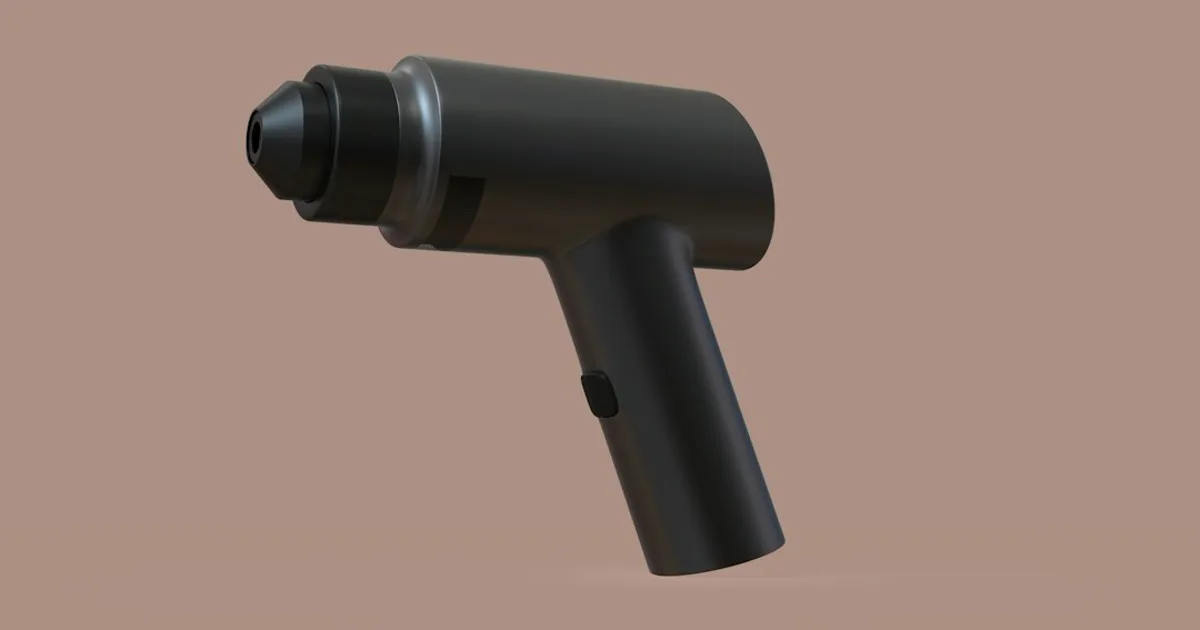
There's a good chance you already own one. Massage guns turned up in North Metro gym bags a few years ago and never left — under couches in Ham Lake, in hockey bags in Andover, in the trunk next to the ice auger. And once you have one humming on your calf at ten at night, a fair question follows: do I still need to book the massage?
Here's the thing about massage gun vs professional massage — it's the wrong comparison. These two aren't after the same job. One is cheap, instant, and self-directed. The other involves another person's trained hands and judgment. In a place where you shovel for four months, play hockey in the middle of them, and sit in a desk chair the rest of the year, you've got enough tight tissue to keep both busy. So here's what the research supports for each.
What a Massage Gun Actually Does
The mechanism, in plain terms
Gary Calabrese, DPT, a physical therapist at Cleveland Clinic, has the plainest description of it: "Think of it like a mini hammer, repeatedly impacting the soft tissue and causing blood" flow to increase. The vibration warms the tissue and pulls circulation into the area. Percussion also softens adhesions — that scar-like buildup — which lets muscle fibers lengthen. Same direction as stretching, minus the appointment.
What the research supports, and what it doesn't
The best-documented effect is short-term range of motion. In one study of percussive work on the hamstrings, range of motion went up because tissue stiffness came down — a measurable mechanical change, right after treatment.
What the device won't do is make you faster or stronger. Calabrese is blunt: "The research is clear that these devices have not been proven to improve speed, power or endurance. They may, however, improve your range of motion (ROM) and perception of fatigue."
Post-workout recovery is where the evidence genuinely splits. One randomized study found percussive massage reduced muscle tone and stiffness and outperformed static stretching on flexibility and strength recovery after exercise-induced fatigue. But a trial with 65 active young adults — each participant's two legs compared against each other — found that five minutes of massage gun work immediately after hard calf exercise did nothing measurable to range of motion, strength, or endurance, and nudged perceived soreness slightly upward for about four hours.
So: a dependable tool for loosening tissue in the moment. Not a performance upgrade.
What a Professional Massage Therapist Does That a Device Can't
Assessment, not just application
A massage gun does exactly what you point it at. A licensed therapist works out where to point — and it's frequently not the spot that hurts. Victoria Bodner, LMT, describes the work as using "different pressures, movements and techniques to manipulate muscles and other soft tissues in the body," with the goal of slowing your nervous system down.
Then there's the range of techniques. Deep tissue for chronic tightness. Trigger point work, where focused pressure on a tight spot brings blood flow in so it can release. Myofascial release, which Bodner calls "a form of deep stretching." Lymphatic drainage. Sports massage. Prenatal. And these aren't separate menu items — "the different types of massage aren't exclusive from one another," she says, and practitioners blend them inside one session based on what they find under their hands. A device structurally cannot do that. Our massage and bodywork at 5D Wellness page walks through the options.
Effects a vibrating head can't reach
Hands-on work also moves the nervous system in ways percussion doesn't. Massage raises parasympathetic response — the opposite of fight-or-flight — and lowers cortisol while lifting serotonin and dopamine, with documented sleep benefits in specific groups. Lymphatic massage uses deliberately gentle touch to move fluid, which helps with swelling and inflammation.
And then the mundane but decisive one: reach. You cannot hold a device against your own mid-back or between your shoulder blades. Someone else can.
When to Reach for the Massage Gun
The device earns its keep on frequency. In qualitative research on home percussive therapy, that constant availability is exactly what users name as the value — a low-cost option that's simply there at six in the morning and eleven at night. Good uses:
- Pre-workout prep on a specific muscle group. Calabrese notes that prepping tissue before focused training may lower your risk of causing damage during the session — and targeting the muscles you're about to use beats going over your whole body.
- Spot tightness you can actually reach. Calves after a fall run along the Rum River. Quads after a shoveling weekend. Forearms after a morning of ice fishing.
- Maintenance between studio appointments. The device's clearest role — keeping known tight spots quiet on the days you aren't booked.
- A midday reset at the desk. Working from home in Lino Lakes or Blaine, it pairs well with the rest of a desk-bound day recovery setup.
One timing note from that 65-person study: if you train twice in the same day, consider waiting rather than reaching for the gun in the first minutes after hard work.
When to Book a Professional Massage
Book the session when the problem is bigger than a muscle.
Pain that's lasted more than a week or two, or keeps returning to the same place, is a pattern — and patterns want assessment. Therapeutic massage happens in a clinical setting with someone trained to identify problem areas, which matters most when you don't actually know what's going on. Cleveland Clinic lists back pain, frozen shoulder, headaches and migraines, whiplash, strains and sprains, repetitive strain injuries, and TMJ disorders among the conditions where it's commonly used alongside other care.
Whole-body tension is the other clear signal. A device works a spot; a session works a whole chain of them. The mechanism may differ too — Harvard Health describes massage as possibly "closing the pain gate" by stimulating competing nerve fibers, on top of relaxing muscles and easing stress.
Dose is the part most people underestimate. In the chronic neck pain study Harvard Health cites from Annals of Family Medicine, the best results came from 60-minute sessions two or three times a week for four weeks — shorter or less frequent sessions did worse. Sessions typically run 30 to 90 minutes and can be whole-body or focused "spot work," which is why building a studio routine that sticks beats booking once and hoping.
How to Use a Massage Gun Safely
Calabrese gives five rules, and they're short enough to remember: start on the lowest intensity setting and see how your body responds; rest the head on the muscle rather than pushing down, because the device supplies its own pressure; move slowly along the muscle; hold a few extra seconds on a genuinely tight spot; and stop at two minutes on any single muscle group, even when it feels good.
Then the hard limits. Never go over bone — the nape of the neck is the classic mistake, and bone creates kickback and pain instead of release. Stay on muscle. Harvard Health adds that you should skip inflamed skin, where massage can worsen irritation, and infected areas, where it might spread the infection.
A few situations call for a conversation with your provider before you use a percussive device or book hands-on work at all: blood-thinning medication, deep vein thrombosis, osteoporosis, tumors, implanted medical devices, fragile skin, phlebitis, heart problems, or the period right around surgery. Pressure tolerance is individual, too — fibromyalgia or chronic fatigue often means light pressure only, and that goes for the device as much as for hands.
A North Metro Routine That Uses Both
A shape that works for a lot of people: 60 to 90 seconds with the device on known tight spots most days, plus a studio session every two to four weeks — weekly during a flare-up or a heavy training block.
Stack it with whatever else is already in the building — sauna before bodywork if you want the tissue warm, cold plunge after if the day was hard. Then adjust by season, because Minnesota makes you: more hands-on work through shoveling months and hockey season, more device maintenance through lake season. Our guide to a recovery routine for gym-goers shows how the pieces fit, and you can book a session in East Bethel whenever the device stops being enough.
Frequently Asked Questions
Can a massage gun replace professional massage?
No — sources that look at both describe it as a supplement. The device gives you frequent, low-cost work on muscle you can reach. A therapist assesses the whole body and has techniques a device doesn't: lymphatic drainage, myofascial release, trigger point work, passive-resistive stretching.
How long should I use a massage gun on one muscle?
Calabrese puts a hard ceiling on it: no more than two minutes on any single muscle group, even when it feels good. Start on the lowest setting, rest the head on the muscle rather than pressing down, move slowly, and hold a few extra seconds on a spot that's genuinely tight.
Where should you never use a massage gun?
Over bone — the nape of the neck is the common mistake, and it produces kickback rather than release. Muscle tissue only. Skip inflamed, broken, or infected skin. With blood thinners, osteoporosis, deep vein thrombosis, an implanted device, a tumor, or recent surgery, talk to your provider first.
Does a massage gun help with muscle soreness after a workout?
The research is split. One randomized study had percussive work lowering muscle tone and stiffness and beating static stretching on flexibility and strength recovery. A 65-person study comparing each participant's two legs found five minutes right after hard calf work changed nothing measurable, and nudged soreness up for about four hours.
How often should you get a professional massage for ongoing pain?
More often than most people assume. The chronic neck pain study Harvard Health cites got its best results from 60-minute sessions two or three times a week for four weeks; shorter or less frequent sessions did worse. That's a real commitment — part of why the home device and the studio appointment end up splitting the work.
The Bottom Line
The massage gun wins on frequency, cost, and immediacy. The therapist wins on assessment, reach, technique range, and the nervous-system effects percussion doesn't produce. Neither makes the other pointless.
So ask what job you're doing tonight. Tight calf after a run? That's the device — two minutes, lowest setting that works. Shoulder that's been nagging since February? That's an appointment, and probably more than one.
This article is for general wellness and educational purposes only and is not medical advice. 5D Wellness services are not a substitute for professional medical care. Results vary by individual. Consult a qualified healthcare provider before starting any new wellness practice, especially if you are pregnant or have a medical condition.