
Local Wellness
El Niño Winter in Minnesota: What a Milder Outlook Could Mean
5D Wellness Team·8 min read·November 19, 2026
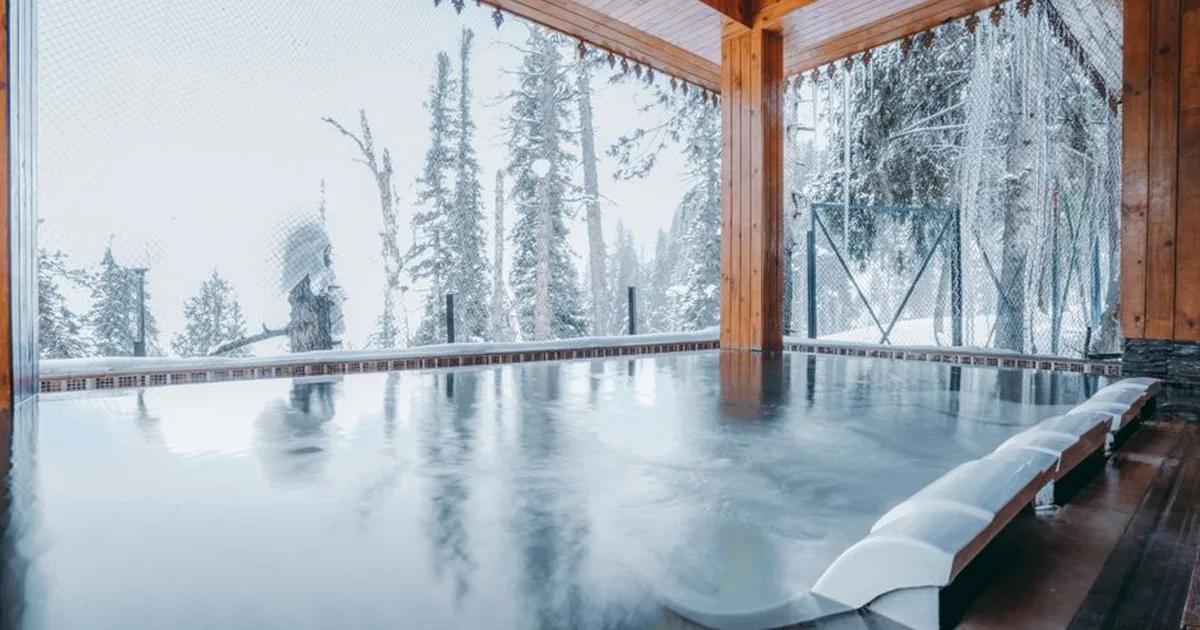
What a warm outlook means for the North Metro
If you live in East Bethel, Ham Lake, Andover or Isanti, you have probably heard the news: a very strong El Niño is in place, and NOAA's newest three-month outlook leans toward a warmer-than-normal winter for most of Minnesota. That sounds like good news if you dread scraping the windshield at 6 a.m. It also raises fair questions about ice fishing, ski trails, and whether to bother digging out the heavy boots.
This is a plain-language look at what forecasters actually said, what they were careful not to promise, and how to plan a winter that could land anywhere between mild and messy. Think of it as a neighbor's guide to the El Niño winter in Minnesota for 2026-27, with no hype attached.
What the NOAA outlook says for Minnesota
Warmer than normal, with the north leading
According to MPR News's Updraft coverage of the newly released outlook, the El Niño pattern is likely to keep temperatures warmer than normal across most of the state this winter. Northern Minnesota may feel the biggest effects. The same piece notes that winter is the fastest-warming season in Minnesota, and that winter lows in the north have climbed 7.8 degrees from 1895 to the present.
Typical moisture, sometimes as rain
Warmer doesn't mean drier. The outlook shows equal chances of ordinary precipitation, and NOAA does not expect drought to wrap up this winter. Some of that moisture may come as cold rain instead of snow. For Lake Superior, NOAA indicated conditions could run drier than average, and with milder air the big lake could stay ice free for longer into the season.
How strong this El Niño is
El Niño is a warming of the equatorial Pacific Ocean, and this year's is already rated very strong. Josh Sandstrom, a meteorologist with the National Weather Service in Duluth, said in the agency's winter presentation that there is an 83% chance this becomes the strongest El Niño on record back to the 1950s, as reported by KAXE. It could grow stronger before peaking in November or December.
That strength comes with a catch. MIT research scientist Judah Cohen told the Associated Press, "We have no real historical analog or precedent," and called an unprecedented El Niño a reason to be less confident, not more.
Less snow does not mean no snow
Past El Niño winters have tended toward higher temperatures and less snowfall in Minnesota. The Associated Press reports that meteorologists expect below-normal snow across much of the northern United States, including the Great Lakes and the Upper Midwest. With warmer air, more of what falls in the North Metro could be rain or a rain-snow mix, which is the slushy kind that makes a driveway miserable.
Minnesotans have seen this before. The last El Niño winter, 2023-24, became known as "The Lost Winter." Sandstrom was careful about that comparison: the outlook does not guarantee a brown Christmas just because it happened before, but the odds tilt closer to it than in other years.
A reasonable expectation: fewer shoveling days, some bare-ground stretches, and trail and lake conditions worth checking before you head out. It's still a Minnesota winter.
A mild winter can still bring a big storm
The most useful line in the whole discussion came from National Weather Service Director Ken Graham, speaking at the outlook briefing: "It doesn't mean you might not have a snowstorm. So it doesn't erase the risk." He also stressed that a single big storm can make a huge difference to how a season feels.
Sandstrom said much the same. Even with a strong lean toward below-normal snowfall, he said, major snowstorms are definitely possible, maybe one or two of them. The outlook can only describe an average across three months. It makes no promise about any single day.
The National Weather Service is also adding a new phrase this season: "particularly dangerous situation" will appear in select blizzard and ice storm warnings, meant to flag high-confidence events of historic severity. If you want to be ready to read those alerts, our guide to how to read NWS watches and warnings before you drive is a good place to start.
Cold snaps are still on the table
A warm lean isn't a ban on January. Sandstrom put it this way: it is not to say Minnesota will be completely free of the brutal cold it typically sees, the teens and 20s below zero and sometimes colder. A strong El Niño increases the odds of fewer cold air outbreaks, and they may be less extreme, but it is no guarantee. He added that other factors that cannot be predicted this far ahead could still lead to a colder and snowier season despite El Niño.
The National Weather Service's Jon Gottschalck said the polar vortex should not show up as often as in most winters, but that does not mean it will not happen at all. One bad week of Arctic air changes what a walk to the mailbox feels like. If you want a refresher on how wind makes cold air more dangerous on bare skin, see these wind chill facts for Minnesota winters.
A routine that works in a milder winter
The practical answer to an uncertain outlook is to plan for the range, not the average. A few ideas that suit East Bethel and the surrounding towns:
- Keep the winter kit where you can reach it: boots, a real coat, hat and gloves, and a blanket and shovel in the car. A warm December does not guarantee a gentle February.
- Check conditions before you commit. Ice thickness, trail grooming and road reports change fast in a swingy winter, so rely on local sources for the day you are going.
- Keep a steady rhythm that does not depend on the weather. Many neighbors like a standing time on the calendar for a warm room and a quiet hour, whatever the thermometer says.
At 5D Wellness in East Bethel, a session is simple to describe. Our infrared saunas are a warm room where you sit for a set time. Contrast sessions run sauna then plunge, twice, over 30 to 50 minutes, with the hot plunge at 100°F and the plunge at 40°F. Red light is 5 to 10 minutes on two six-foot panels. Bring a towel and water, and if you are heading back out into a swingy forecast, dress in layers, as covered in this Minnesota winter layering guide. When you are ready to pick a time, the booking page shows what is open.
The takeaway
The outlook leans warm, and the odds favor less snow and fewer extreme cold outbreaks than a typical Minnesota winter. But forecasters themselves keep repeating the same message: this is a three-month average, a record-strength El Niño has no real precedent, and a single storm or a single cold week can still define the season. Plan for mild, keep the gear ready for rough, and check the forecast on the day you go.
Frequently Asked Questions
Will Minnesota have a warm winter in 2026-27?
NOAA's three-month outlook favors warmer-than-normal temperatures across most of the state, with northern Minnesota possibly feeling the biggest effects. It is a season-long lean, not a day-by-day forecast.
Does El Niño mean less snow in Minnesota?
Forecasters lean toward below-normal snowfall, and warmer air can mean more rain or a rain-snow mix. The National Weather Service in Duluth still says one or two major snowstorms are possible.
Can Minnesota still get dangerous cold in an El Niño winter?
Yes. A strong El Niño raises the odds of fewer and less extreme cold outbreaks, but it is no guarantee, and temperatures in the teens and 20s below zero are not ruled out.
This article is for general wellness and educational purposes only and is not medical advice. 5D Wellness services are not a substitute for professional medical care. Results vary by individual. Consult a qualified healthcare provider before starting any new wellness practice, especially if you are pregnant or have a medical condition.
This article is for general information only and is not medical advice.