
Local Wellness
Black Ice on the Drive Home: What MnDOT Says to Watch For
5D Wellness Team·8 min read·November 19, 2026
Introduction
If you drive Highway 65 or Highway 10 after work, or take the county roads home through East Bethel, Ham Lake or Andover, you already know how fast a winter evening changes a road. The pavement looks wet, then dry, then fine. Then it isn't fine. This is a plain driving-safety note, built from the Minnesota Department of Transportation's own winter pages. It covers what black ice is, where it hides on a North Metro commute, and what MnDOT says to do about it.
What MnDOT Means by Black Ice
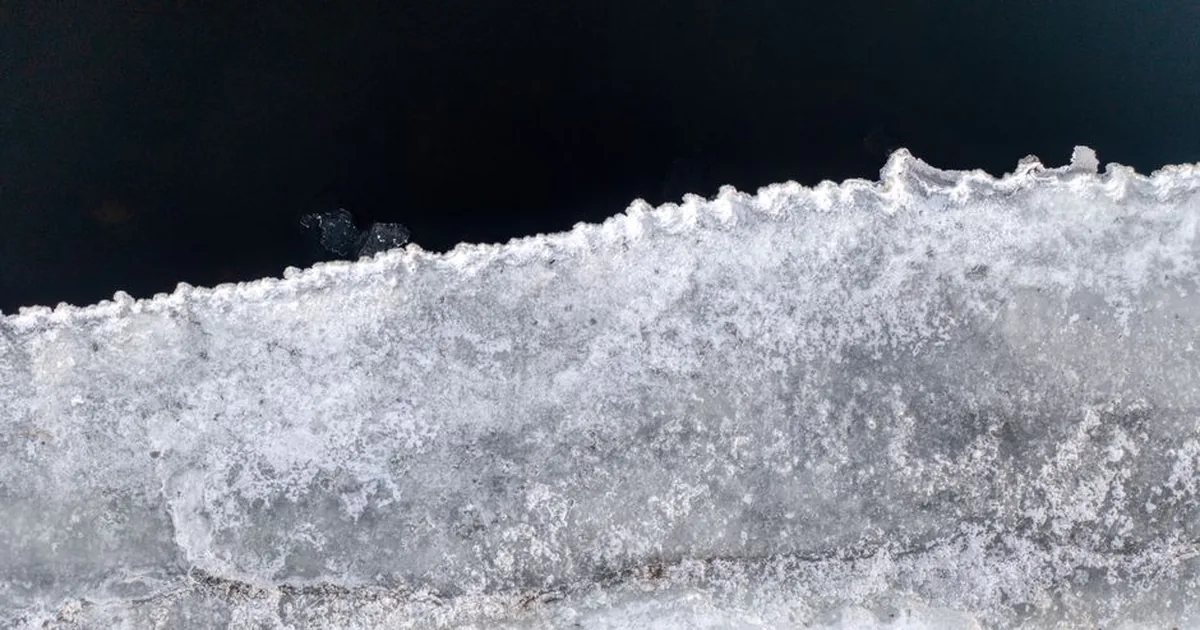
MnDOT's black ice page puts it simply: black ice is invisible ice that is almost totally transparent, and it can easily catch drivers off guard and cause crashes. The name is a little misleading. As a Duluth station put it, black ice is not really black. It is a layer so thin that you see the dark pavement underneath, not the ice.
MnDOT explains how it forms: when the air temperature is warmer than the pavement, moisture rapidly freezes and leaves a thin, transparent layer of ice on the roadway. That is why the agency specifically points to the early morning, when the air is warming faster than the road surface.
Timing matters on the other end of the day too. A county emergency management page that cites AccuWeather and AARP says the prime times for black ice are around dawn and in the late evening, and that it is hardest to see in the dark. For anyone driving home after sunset in December, that is worth keeping in mind.
Where Black Ice Hides on the Drive Home
Bridges, overpasses and tunnels
MnDOT's first piece of advice is to slow down on bridges, overpasses and tunnels. AAA's winter tips, as quoted by Cars.com, say bridges and overpasses typically freeze first and melt last. Even if the road leading up to a bridge looks fine, the bridge itself could be covered in a sheet of ice.
The reason is simple. A bridge has cold air above it and cold air underneath it, so it loses heat faster than the ground-supported road before it. WDIO notes that you can drive onto an icy bridge even when the temperature is above freezing. If you cross the Highway 10 or Highway 65 overpasses in Blaine, Anoka or Coon Rapids on a cold evening, think of each one as a place to ease off before you reach it.
Shade and quiet roads
AAA also says ice commonly forms on highly shaded areas and on infrequently traveled roads. Tree-lined stretches of township road near Oak Grove, Cedar or Lino Lakes can stay slick long after the main highway has cleared. A tunnel or the shadow of a tree line gets little sunshine, so it is a spot to be wary of.
What it can look like
You won't always see it, but there are clues. AAA says pavement with black ice will be slightly darker and duller than the rest of the road surface. The county emergency page adds that if the pavement is otherwise dry but you see dark, glossy spots, that is probably black ice. A car thermometer reading near freezing is a reason to be careful, though that page cautions that thermometers can be wrong and should not be treated as the final word.
Slow Down Before the Bridge, Not On It
MnDOT's list of driving advice is short and practical:
- Slow down on bridges, overpasses and tunnels, and in the early morning when the air is warming faster than the pavement.
- Avoid applying the brakes on ice, because it may cause a vehicle to skid.
- Do not use cruise control in winter driving conditions.
- Use a safe speed for the conditions, regardless of the posted speed limit.
- Keep a safe stopping distance from the vehicle in front of you.
The point about speed is the one people argue with, because the posted limit feels like permission. MnDOT says otherwise. A safe winter speed is whatever the road allows that day. WDIO makes the same point from the other direction: moving faster makes you more likely to hit a patch of ice and lose control. AAA suggests leaving ample stopping room, as much as three times more than usual, and avoiding unnecessary lane changes, since you could hit a patch of ice between lanes.
The best moment to adjust is before the bridge starts, while the car is still on good pavement. If you want to know what kind of evening you are heading into, here is how to read NWS winter alerts before you drive.
If You Start to Slide
Nobody plans to hit ice. It helps to know the sequence ahead of time. Advice from county emergency managers, AAA and Consumer Reports lines up on a few points:
- Stay calm. The basic rule on one county page is to let the vehicle pass over the ice.
- Do not hit the brakes. Lift your foot off the accelerator and keep the steering wheel steady.
- Steer in the direction you want the front of the car to go. If the car will not turn, do not keep cranking the wheel. Hold it steady until you regain grip.
- Do not overcorrect. Big steering swings are what turn a small slide into a spin.
Black ice also tends to be patchy, so traction often returns quickly. Once the car feels planted again, you can slow down gently. AAA adds that four-wheel drive does not help you stop any faster, which is a good reminder for pickups and SUVs that handle snow well and ice not at all.
Calm Habits for the Whole Drive
MnDOT's general winter driving tips round out the picture. Keep both hands on the wheel, your eyes on the road and your attention on driving. Do not use a phone behind the wheel; texting is prohibited while driving in Minnesota. Turn on your headlights and wear your seat belt.
Plows are part of the evening commute too. MnDOT says plows turn or exit frequently and may travel over centerlines or partially in traffic, so stay alert. It asks drivers to stay back at least 10 car lengths behind a plow and not to drive into the snow cloud it throws. Be patient: the plow is working on the road you are about to drive.
Conclusion
The takeaway from MnDOT fits in a sentence: black ice is hard to see, so drive as if it is there on bridges, overpasses, tunnels and shaded stretches, especially in the early morning and after dark. Slow down early, leave room, skip the cruise control, and keep your hands steady if the car starts to slide.
North Metro winters ask a lot of every commute, and it helps to plan the trip as well as the stop. If you are bundling up for a sauna visit afterward, the same cold air is worth a plan, so read our note on wind chill after the sauna. You can also learn more about 5D Wellness in East Bethel, a local spot for neighbors who want a warm place to spend part of a Minnesota winter day.
Frequently Asked Questions
What is black ice?
MnDOT describes it as invisible ice that is almost totally transparent. It can easily catch drivers off guard and cause crashes.
Where does black ice show up first on a North Metro commute?
Bridges, overpasses and tunnels are the places MnDOT names, along with the early morning hours when the air is warming faster than the pavement. AAA and local sources add shaded stretches and lightly traveled roads.
Should I brake if I hit black ice?
MnDOT says to avoid applying the brakes on ice, since it may cause a skid. Lift off the accelerator, keep the steering wheel steady and avoid overcorrecting.
This article is for general wellness and educational purposes only and is not medical advice. 5D Wellness services are not a substitute for professional medical care. Results vary by individual. Consult a qualified healthcare provider before starting any new wellness practice, especially if you are pregnant or have a medical condition.
This article is for general information only and is not medical advice.