
Local Wellness
Holiday Self-Care in Minnesota: A North Metro Reset Game Plan
5D Wellness Team·11 min read·November 1, 2026
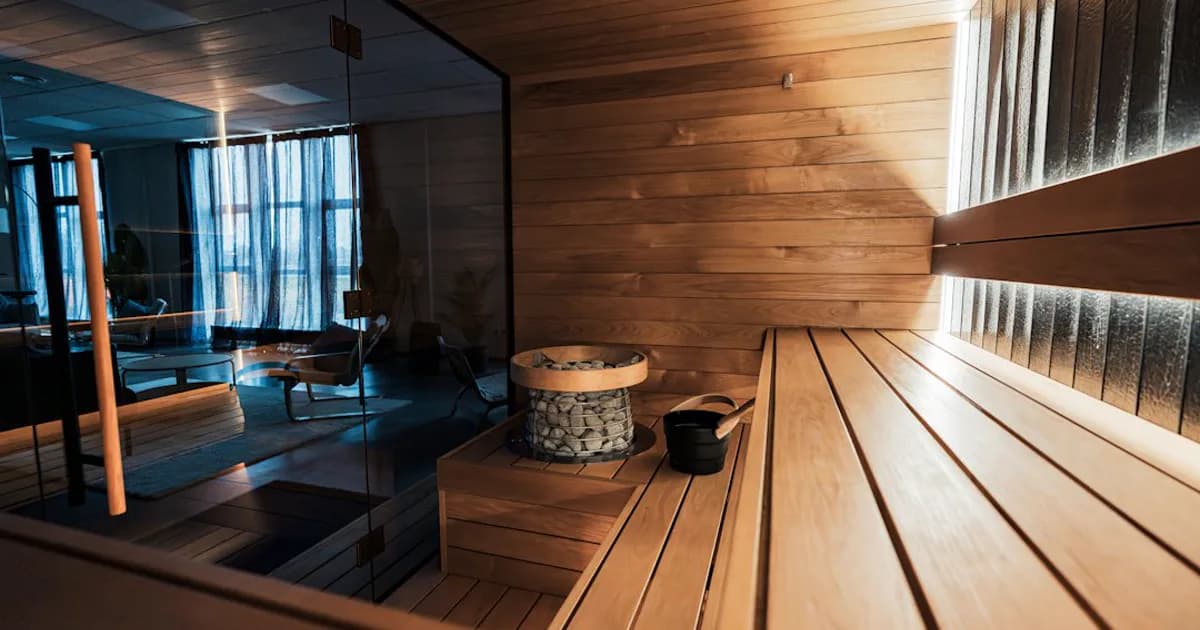
It's 4:35 on a Tuesday in East Bethel. The sky went dark twenty minutes ago, and there are still three things on the list before the holidays technically start. If that feels familiar, you already understand why holiday self care in Minnesota is a different problem than holiday self-care anywhere warm. Here, the calendar and the daylight come at you together.
The six weeks from Thanksgiving to New Year's land directly on top of the darkest stretch of our year — then stack hosting, out-of-town family, a snowy drive down Highway 65 and the first real shoveling on top of that. So this isn't an article about overhauling your routine in December. It's a game plan built around short, repeatable sessions: what to book, how long it needs to be, and where to draw the line.
Why the Holiday Stretch Hits Differently Up Here
The daylight part isn't in your head, and it isn't spread evenly across the country. The National Institute of Mental Health notes that winter-pattern seasonal mood change is more common in people living farther north, where winter daylight is shortest, and that it tends to run four to five months rather than a bad week or two. Anoka County isn't Alaska. But we're a long way from Texas.
The same NIMH material lays out what shorter daylight is associated with: lower serotonin activity, more melatonin output, and less vitamin D made in the skin. Which explains the two most common December complaints around here. Sleeping in and craving carbohydrates are seasonal and documented — not character flaws.
One caveat, plainly: context isn't a diagnosis. If what you're feeling goes past a mood dip into something heavier, that's a conversation for your own healthcare provider.
Then the calendar stacks on top. The dark commute, hosting the in-laws, a hockey weekend in Blaine. Set your expectations correctly here — researchers reviewing the sauna literature describe sauna bathing as an adjunctive lifestyle approach rather than a proven clinical intervention. The goal isn't optimization. It's keeping one or two reliable pressure valves open during the exact six weeks you're least likely to maintain anything new.
The 20-Minute Reset: Infrared Sauna on a Dark Tuesday
Most people overestimate what a session has to be. Infrared saunas run at roughly 110 to 135 degrees, compared with 150 to 195 for a traditional sauna, which Cleveland Clinic describes as gentler and more comfortable. Beginners are advised to start around 110 degrees for five to 10 minutes and build from there, and even experienced users are told to cap sessions at 20 to 30 minutes.
In December terms: a 20-minute slot between the grocery store and dinner prep is a complete session, not a consolation prize. Within minutes of sitting down, blood vessels widen and circulation picks up — a response Cleveland Clinic compares to the physiological effects of exercise, while being clear it's no substitute for a workout.
The sleep angle in a month of late nights
This is the part that matters most during the holidays. Your core body temperature naturally drops before sleep, and the cool-down that follows a sauna session may support easier rest when the session happens in the evening. We've written more about building an evening sauna routine that supports sleep, and the infrared sauna suites in East Bethel are set up for exactly this kind of short, private visit.
Practical notes for a holiday month
Bring water in with you. Electrolyte drinks can help. Skip alcohol around your session — easy to nod along with in October, genuinely worth remembering in a month full of toasts. Shower afterward. And if you feel dizzy or nauseated, get out right away instead of waiting it out.
Contrast Without the Heroics
Cold plunge has an internet problem. The version you see online is a dare; the version that's actually useful is boring and short. Cleveland Clinic's sports medicine guidance is specific: start between 50 and 59 degrees, never go below 40, and verify with a thermometer. No session should run past five minutes, and a first plunge should be one to two. Beginners go once or twice a week, then build tolerance from there.
What people report getting out of it lines up neatly with what you want in December. Studies point to reduced stress and increased alertness and focus, and Cleveland Clinic's Dr. Dominic King notes that some find it a genuinely helpful form of mental meditation. Two minutes where your brain has room for exactly one thought? That's not nothing in a holiday week.
Rewarm, and respect the exit rule
Dry off and get warm right away afterward, which is why plenty of people follow a plunge with sauna time. If you feel lightheaded, or anything beyond ordinary cold sensation, get out — cold water can turn dangerous quickly, and the guidance is explicitly not to push through what doesn't feel right.
This one also comes with a real list of people who should check with their own provider first: anyone with heart disease, high blood pressure, diabetes, peripheral neuropathy or poor circulation, and anyone pregnant. If you're on that list, ask before you book.
For scheduling, here's how a 30-to-50-minute contrast visit is timed. One note for anyone lifting through the winter: cold immersion within about four hours of resistance training can blunt the muscle-building signal, so stack your plunges on rest days.
When You Have No Energy to Spare, Pick the Quiet Option
Some weeks you won't have a contrast session in you. That's what the quiet options are for.
Red light is not a light box
This distinction is worth getting right, because the season invites confusion. Cleveland Clinic separates the two categories explicitly: seasonal light therapy uses a full-spectrum box rated at 2,500 to 10,000 lux, placed 16 to 24 inches away and off to the side, used 20 to 30 minutes in the morning — while colored light panels, red or blue or green, serve different purposes entirely. So a red light session here is a warm, low-effort wellness session. It isn't a seasonal light box, and it isn't a stand-in for advice from your own provider.
The salt room and the massage table
The survey research turns up something quietly reassuring. Asked why they sauna, women most often answered relaxation, stress relief, warming up and social time — not any clinical goal. Participants described it as a way to get through the dark, cold part of the year, and as a ritual marking the line between the working day and rest.
Which reframes the whole thing. A good share of the value is the pause itself: warm, quiet, screen-free time where nobody needs anything from you. A salt room visit on a winter afternoon asks almost nothing of you — which is exactly why it survives a bad week.
Build the Game Plan Around the Calendar, Not the Ideal Week
Weeks one and two — set the floor. Pick one slot per week and defend it like a practice commitment. Put it on the shared family calendar so it reads as a real obligation rather than a nice idea. For a template, our weekly stress-reset routine is built for exactly this. Hosting that week? Front-load it — a session the day before the event beats one squeezed into the chaos.
Weeks three and four — lower the bar on purpose. Travel weeks, tournament weeks, the week everyone in the house is sick. This is where a 20-minute sauna slot beats a skipped 50-minute plan. Sleep and hydration both get harder in late December, and the short session is the one that still fits.
Week five — the January handoff. The point isn't getting through December unscathed. It's walking into January with something already working, instead of a resolution you build from zero. A drive from Ham Lake, Andover, Cedar, Isanti, St. Francis or Forest Lake is short enough to keep a weekly slot honest, and that's most of what makes a habit survive the turn of the year.
Frequently Asked Questions
How short can a holiday reset session realistically be?
Shorter than most people assume. Cleveland Clinic suggests infrared sauna beginners start around 110 degrees for five to 10 minutes, and even seasoned users cap sessions at 20 to 30 minutes. A 20-minute slot between a grocery run and dinner prep is a legitimate session. What makes a reset work is that it happens at all, repeatedly, on your worst weeks.
What water temperature should a first-time cold plunge be?
Cleveland Clinic's guidance is to start between 50 and 59 degrees and never go below 40, with a thermometer to verify. First plunges should be one to two minutes, and no session past five. Anyone with heart disease, high blood pressure, diabetes, poor circulation or peripheral neuropathy, and anyone pregnant, should talk with their own healthcare provider before trying cold-water immersion.
Is red light therapy the same thing as a seasonal light box?
No. Cleveland Clinic notes that seasonal light therapy uses a full-spectrum box rated at 2,500 to 10,000 lux, positioned off to the side and used 20 to 30 minutes in the morning, while colored light panels — red, blue, green — serve different purposes. A red light session at 5D Wellness is a wellness session, not a substitute for a clinical light box or for care from your own provider.
What is a sensible holiday rhythm if I can only get in once a week?
Once a week, held consistently through December, beats an ambitious four-visit plan you abandon by mid-month. Pick the slot least likely to get eaten — a weekday evening after practice, or a Sunday afternoon — and put it on the shared calendar the way you would a tournament in Blaine, so the household reads it as a real commitment.
Should I do anything differently if I am hosting or traveling?
Front-load it. A session the day before you host, or the day you get back from the drive, beats one wedged into the middle of the event. Hydration also matters more than usual across a stretch of rich food and late nights — bring water into the sauna and skip alcohol around sessions.
Your Next Step This December
The North Metro holiday problem is darkness plus density — the shortest days of the year arriving in the same six weeks as the fullest calendar. The answer isn't an ambitious new routine. It's something short and repeatable that still happens on your worst week.
So pick the slot in your December least likely to get eaten, and book a session while it's still open. Then let the rest of the month be whatever it's going to be. You'll walk into January with something already working, which beats starting from a blank page.
This article is for general wellness and educational purposes only and is not medical advice. 5D Wellness services are not a substitute for professional medical care. Results vary by individual. Consult a qualified healthcare provider before starting any new wellness practice, especially if you are pregnant or have a medical condition.
This article is for general information only and is not medical advice.