
Local Wellness
A First-Timer's Tour of Wellness Therapies in East Bethel
5D Wellness Team·9 min read·August 7, 2026
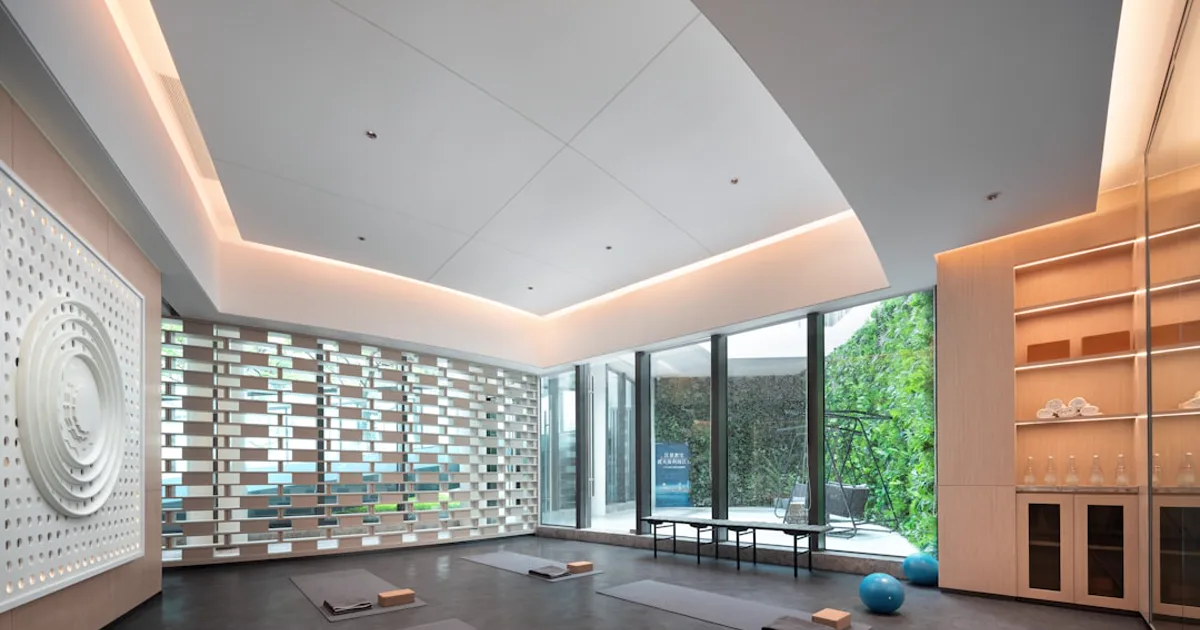
Your No-Pressure Tour Starts Here
Maybe you've driven past the studio and wondered about the glowing red panels, the cold tub people keep raving about, or that room made of salt. If wellness has started to feel like a club with its own vocabulary, this is your way in. Think of this guide to wellness therapies in East Bethel as a slow walking tour — no membership required, no lingo to memorize, and zero pressure to be an athlete or a "wellness person."
We'll make five stops: the infrared sauna, the cold plunge, red light therapy, the salt room, and the massage table. At each one, you'll learn what it is, what a first session actually feels like, and who might want to ease in slowly. Coming from East Bethel, Ham Lake, Andover, Blaine, Cedar, or anywhere in Anoka County? By the end, you'll know exactly which door you want to open first.
Stop One — The Infrared Sauna
An infrared sauna is the gentlest possible introduction to heat therapy. Instead of blasting the whole room with high heat, it uses infrared energy to warm your body directly, so it runs cooler — usually around 110 to 135°F rather than the 180-plus of a traditional sauna. For a first-timer, that difference is everything. The air feels comfortable to breathe, and the warmth sinks in slowly.
So what does a first session feel like? Calm, dry warmth and a light, steady sweat. Within a few minutes your circulation picks up and your heart rate rises a little — the body's response actually resembles a gentle walk. Most people describe the feeling afterward as loose, unhurried, and a bit sleepy in the best way.
Starting out, keep it simple: begin around 110°F for five to ten minutes, bring water, and build from there over future visits, keeping any single session under 30 minutes. In a place where winter runs long, a warm session after a cold commute or a morning of ice fishing is hard to beat. When you're ready, our infrared sauna is set up for exactly this kind of easy first visit.
Stop Two — The Cold Plunge
The cold plunge is the stop everyone talks about, and yes, it's as bracing as it sounds. You step into cold water, your body reacts with a quick fight-or-flight jolt, and then — surprisingly fast — things settle. For a beginner, that brief, focused moment is the whole point. A few minutes is plenty.
Why do people do it? The research is still young, but a 2025 review found modest support for a temporary drop in stress and some improvement in sleep, with recovery evidence more mixed. Most first-timers aren't chasing a study result anyway. They're after that clear-headed, "I did the hard thing" glow that follows.
This is the one stop where easing in matters most. If you have a heart condition, a rhythm issue, or a circulation disorder, talk with your healthcare provider before you plunge, since the cold puts a real jolt on the cardiovascular system. There's also no magic number for temperature or timing, so short and gentle wins. Our cold plunge is a good place to start, and it helps to read up on how long a beginner should stay in before your first dip.
Stop Three — Red Light Therapy
If the sauna and plunge sound intense, red light therapy is the opposite. You simply relax near panels of warm-looking red light. It's sometimes called photobiomodulation, and unlike the sun or a tanning bed, it uses non-UV, non-thermal wavelengths.
The idea is that red light stimulates the mitochondria in your cells and may support collagen production and circulation. Where's the honest line on expectations? There's genuine early promise for the skin — think smoother texture, fewer breakouts, and wound healing — but it is not a proven answer for weight loss, cancer, or mood conditions like seasonal affective disorder. Think of it as a relaxing, supportive practice, not a fix.
On safety, red light appears to be well tolerated when used short-term and as directed. The main housekeeping item is protecting your eyes during a session. It's a low-effort, low-commitment way to round out a visit. You can learn more on our red light therapy page.
Stop Four — The Salt Room (Halotherapy)
Halotherapy might be the most unusual-sounding stop on the tour, but it asks the least of you. You sit back in a room where a fine, dry salt mist drifts through the air, and you breathe. That's it. Many people find the whole thing quietly meditative — dim light, soft seats, and nothing to do but relax.
What does the evidence say? It's limited but interesting. A 2022 review found some early signal that salt air may support mucus clearance and lung comfort for people with asthma, while noting that larger studies are still needed. For a lot of North Metro folks, the appeal is seasonal: dry winter air and a long allergy season make a calm, salt-scented room sound especially good.
As with every stop, the honest framing is "supportive and relaxing," not medical. Have a respiratory condition? Check with your provider first. Otherwise, it's one of the easiest, most passive ways to unwind — visit our salt room to see what a session is like.
Stop Five — A Massage to Finish
There's a reason we end the tour here. After a little heat, a little cold, and a lot of relaxing, a massage is the natural way to close the loop. A licensed therapist works your muscles and soft tissue to help your nervous system downshift.
The benefits here are some of the best-supported on the whole tour: massage is linked to lower stress and anxiety, better sleep, and short-term relief from soreness and everyday aches. Brand new? Book a Swedish massage — it's the gentle, full-body default. Deep tissue and sports massage are more targeted and can come later, once you know what your body likes.
One tip makes a huge difference: talk to your therapist. Tell them your pressure preference, point out any sore spots, and mention any medical conditions up front. A good therapist wants that information. When you're ready to book, our massage menu has a style for every comfort level.
Planning Your First Visit
Ready to actually go? A little planning makes the first time feel effortless. Budget about 60 to 90 minutes if you're trying one or two therapies. Arrive a few minutes early, drink some water, and — this is the Minnesota part — don't rush straight back out into the cold. Give yourself a beat to enjoy how you feel.
Not sure how to combine stops? A classic, beginner-friendly pairing is a warm therapy — the sauna or salt room — followed by something gentle like red light or a short massage. The adventurous can try the sauna-then-plunge contrast. Whatever you choose, ease in, and if you're pregnant or managing a medical condition, check with your provider before your first session.
Getting here is easy from East Bethel, Ham Lake, Andover, Cedar, Blaine, and across Anoka County, and a membership makes a weekly rhythm affordable once you find your favorites. If you catch the bug, here's how to build a weekly recovery routine that fits a real North Metro schedule.
Frequently Asked Questions
Which wellness therapy should a first-timer try first?
There's no wrong door. If you want deep relaxation, start with the infrared sauna or a Swedish massage. If you're curious about recovery and don't mind a jolt, the cold plunge is memorable. Many East Bethel newcomers pair a warm therapy — the sauna or salt room — with something gentle the same visit and simply notice what their body responds to.
Do I need to be athletic or in great shape to try these?
Not at all. These are wellness therapies meant to support relaxation, recovery, and everyday comfort — not workouts. Beginners of all ages and fitness levels use them. Start gently with shorter sessions and milder temperatures, and check with your healthcare provider first if you're pregnant or have a medical condition.
How much time should I budget for a first wellness visit?
Plan for about 60 to 90 minutes if you're trying one or two therapies. A first infrared sauna session runs 10 to 20 minutes, a cold plunge just a few minutes, and a massage typically 30 to 60. Leave a little extra time to arrive early, change, hydrate, and relax afterward instead of rushing back into a Minnesota winter.
Are these therapies backed by science?
The research is encouraging but still developing. Studies link saunas to better circulation and relaxation, cold immersion to modest stress and sleep benefits, and massage to lower stress and short-term soreness relief — while noting that larger trials are still needed. Think of these as supportive wellness practices, not medical care.
Your Next Step
The whole point of this tour is to lower the intimidation factor. Every therapy here has a beginner-friendly on-ramp, and you never have to try all five at once. Pick the one stop that made you most curious — the warm one, the cold one, the quiet salt room — and start there.
5D Wellness is the East Bethel home base for all five, with staff who are used to walking first-timers through every step. When you're ready to trade curiosity for experience, book your first session and see which door feels like yours.
This article is for general wellness and educational purposes only and is not medical advice. 5D Wellness services are not a substitute for professional medical care. Results vary by individual. Consult a qualified healthcare provider before starting any new wellness practice, especially if you are pregnant or have a medical condition.