
Cold Plunge
How Long Should a Beginner Stay in a Cold Plunge?
5D Wellness Team·9 min read·July 4, 2026
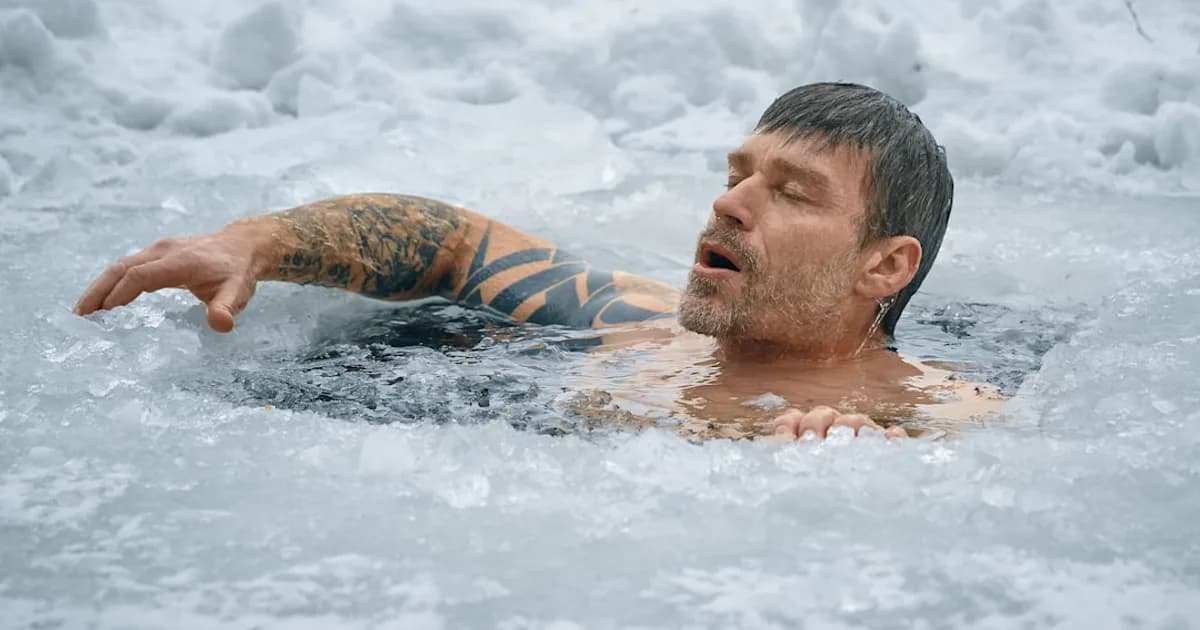
The water is bracing, your breath catches, and every instinct says get out. If you're standing over a cold plunge for the first time, the most practical question is also the simplest: how long should a beginner stay in a cold plunge? You need far less time than you'd think. A minute or two is plenty when you're starting out, and keeping those first sessions brief is a feature, not a shortcoming.
Plenty of folks around East Bethel, Ham Lake, Andover, Blaine, and Coon Rapids are curious about cold plunging but fuzzy on the rules. So here's the beginner-friendly rundown: how long to stay in, what temperature the water should be, why short sessions matter, how your body adapts over time, and what a first plunge actually feels like.
The Short Answer: Start With 1 to 2 Minutes
When you're new to it, less really is more. Cleveland Clinic advises that beginners limit their sessions to a minute or two, and that a session should never run longer than five minutes. If a full minute sounds like a lot on your first try, start with 30 seconds. That still counts.
For context, the research on cold-water immersion spans a wide range of session lengths. A Harvard Health review of eleven studies noted that exposures ran anywhere from 30 seconds to about 15 minutes, usually several days a week over several weeks. But those longer sessions belong to people who built up tolerance over months. As a beginner, you're not setting an endurance record. You're showing up consistently, getting comfortable with the cold, and letting your body learn the ropes a few short minutes at a time.
What Temperature Should the Water Be?
Duration and temperature go hand in hand. The colder the water, the shorter your time should be. For beginners, Cleveland Clinic suggests a starting range of about 50 to 59°F (10 to 15°C), and cautions against going below 40°F (4°C). Cool-but-not-freezing water lets you build tolerance without overwhelming your system on day one.
A thermometer is your friend here. Guessing at water temperature is how beginners end up either shivering through something far colder than they intended or wondering why they feel nothing at all. Want to go deeper on the numbers? Our guide to how cold your plunge really needs to be breaks down the ranges and what each one feels like. The takeaway for a first-timer: start in that 50 to 59°F window, keep it short, and adjust from there.
Why Short Sessions Matter: The Cold Shock Response
There's a physiological reason experts keep beginner sessions short, and it has a name: the cold shock response.
What happens in the first seconds
The moment you hit cold water, your body reacts. Harvard Health describes how immersion sends adrenaline and norepinephrine into your bloodstream, speeding up your heart rate and blood pressure. An NIH review of cold-water exposure adds that this cold shock response also brings on reflexive gasping and rapid, hard-to-control breathing. That involuntary gasp is normal, and it usually settles within the first 30 to 60 seconds. Which is exactly why easing in slowly, staying calm, and controlling your breath matter so much in those opening moments.
Signs it is time to get out
Cold is expected. Anything more than cold is your cue to step out. Cleveland Clinic's guidance is refreshingly blunt: if you feel lightheadedness or discomfort beyond just the sensation of being cold, get out. Don't talk yourself into staying just to hit a number on the clock. The timer is a loose guide, not a goal to chase past your comfort.
How Your Body Adapts Over Time
Here's the encouraging part: cold plunging gets easier, and that's not just in your head. The NIH review found that regular cold-water swimmers delayed shivering by about 40 minutes compared with non-swimmers, and that thermal comfort became habituated after just a few short whole-body immersions. In plain terms, your body genuinely acclimatizes, and it starts doing so quickly.
So a sensible progression is simple. Once one to two minutes feels manageable, add roughly 15 to 30 seconds at a time, always staying under that five-minute ceiling. There's no rush and no prize for going longer.
It's also worth being clear-eyed about what cold plunging does and doesn't do. The Harvard Health review found that cold immersion may temporarily lower stress and support sleep and quality of life, while showing little consistent effect on mood or immunity. Think of a plunge as a supportive wellness practice you enjoy and build over time, not a cure-all.
Safety First: Before and After Your Plunge
A few simple habits keep cold plunging a pleasure rather than a gamble.
Before you start: because cold immersion briefly raises heart rate and blood pressure, some people should check with a healthcare provider first. Both Cleveland Clinic and Harvard Health flag heart conditions, high blood pressure, diabetes, poor circulation, and conditions like Raynaud's, along with pregnancy, as good reasons for a quick conversation with your provider before your first plunge.
During: have someone nearby, especially early on, and start with one or two sessions a week rather than diving into a daily habit. Your body appreciates the recovery time between plunges.
After: rewarm promptly. Dry off, pull on warm layers, and let your body come back to temperature at its own pace. Many people like to pair a plunge with time in a warm sauna afterward. In a Minnesota winter, that rewarming step isn't optional, it's part of the routine, so plan for a warm change of clothes and a heated space to return to.
What to Expect Your First Plunge in the North Metro
A controlled cold plunge is a very different experience from wading into a Minnesota lake. The water sits at a known, steady temperature, there's no uneven footing or surprise depth, and you can watch the clock. Weighing the two? Our comparison of lake-cold versus a controlled plunge spells out why the controlled version is the friendlier place to begin.
Starting in a supervised, temperature-controlled setting takes the guesswork out of your first few sessions. You get a consistent temperature, staff nearby, and a warm space to rewarm in afterward. For beginners around Coon Rapids, East Bethel, and Ham Lake, trying cold plunge therapy at 5D Wellness is an easy way to start slow, keep it short, and see how your body responds without the variables that come with open water.
Frequently Asked Questions
How long should a beginner stay in a cold plunge?
Most experts suggest beginners start with just 30 seconds to two minutes in the water. As your body adjusts over several weeks, you can gradually work toward longer sessions, but a single plunge generally should not exceed five minutes.
How cold should the water be for a first-time cold plunge?
A comfortable starting range for beginners is about 50 to 59°F (10 to 15°C). Cleveland Clinic advises against going below 40°F (4°C). Cooler-but-not-freezing water lets you build tolerance while keeping the cold shock response manageable.
How often should a beginner cold plunge?
Starting with one or two sessions a week is plenty while your body adapts. There is no need to plunge daily, and spacing sessions out gives you time to notice how you feel and recover between them.
Is it normal to gasp when you get into a cold plunge?
Yes. That involuntary gasp and quickened breathing is the cold shock response, a natural reaction to sudden cold. It typically settles within the first 30 to 60 seconds, which is one reason easing in slowly and keeping early sessions short matters.
Who should talk to a doctor before cold plunging?
Anyone with a heart condition, high blood pressure, diabetes, poor circulation, Raynaud's, or who is pregnant should check with a healthcare provider first. Cold immersion briefly raises heart rate and blood pressure, so a quick conversation with your provider is a smart first step.
The Bottom Line
If you take one thing away, let it be this: start short. One to two minutes is a perfectly good first plunge, five minutes is the ceiling, and your body will adapt to the cold faster than you expect if you keep showing up. Cold plunging is a practice you build, not a test you pass. When you're ready to try it in a controlled, beginner-friendly setting close to home, you can book a session and see how those first couple of minutes feel for yourself.
This article is for general wellness and educational purposes only and is not medical advice. 5D Wellness services are not a substitute for professional medical care. Results vary by individual. Consult a qualified healthcare provider before starting any new wellness practice, especially if you are pregnant or have a medical condition.