
Cold Plunge
Cold Plunge vs. the Anoka County Polar Plunge: What Differs
5D Wellness Team·7 min read·October 17, 2026
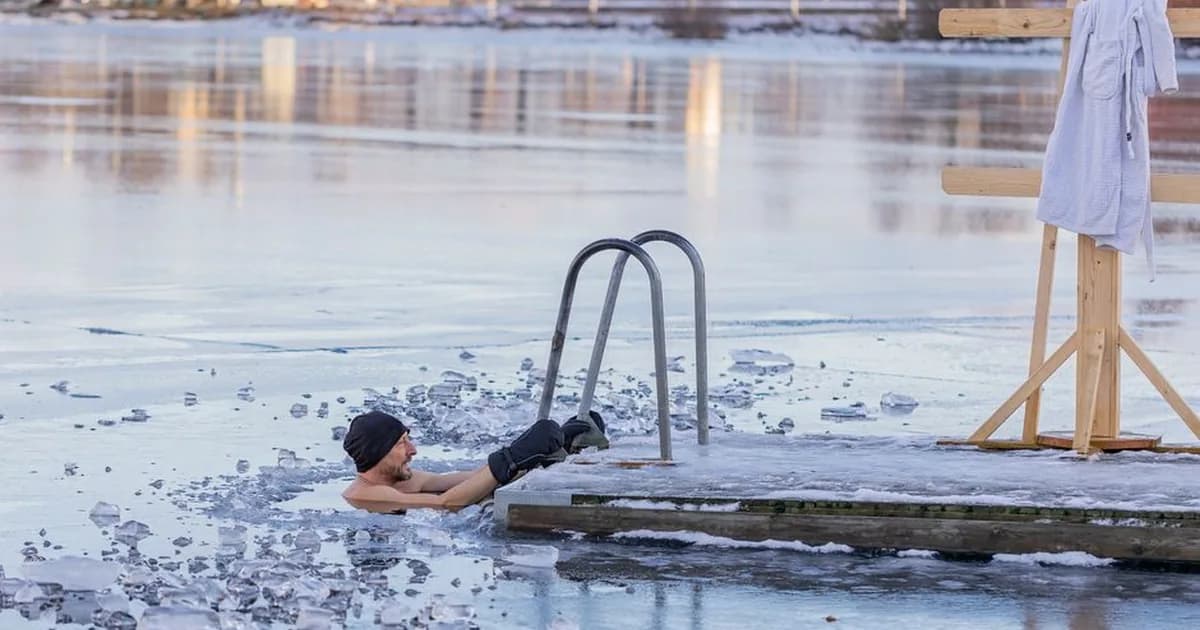
Two ways to get into cold water in Anoka County
Every winter, neighbors across Anoka County line up on a lake shore, count down and run into the water for charity. Others in East Bethel and the North Metro book a tub at 40°F and step in on their own schedule. Both mean cold water and a sharp breath. Almost everything else differs.
This guide compares a cold plunge and the Anoka County Polar Plunge side by side: the purpose, the setting, the temperature and time, and the first minute in the water. It's a comparison of what each one is, not a ranking. If you plan to do either, the safety notes near the end are worth a read.
What the Polar Plunge is, and what it is for
The Polar Plunge is a fundraiser. The Anoka County event helps support Special Olympics in Minnesota, and the people who jump are there for the cause, for the crowd and for the story they get to tell afterward.
One local report counted more than 600 plungers across the event, with well over $100,000 raised overall. The Anoka County Sheriff's Office team alone had 40 plungers and raised over $9,000. Those numbers show what the day is about: neighbors, teams and costumes, with the water as the shared moment.
Dates, locations and sign-up rules change from year to year, so check the event's own page before you plan around it. We're not the organizer, and nothing here replaces their instructions.
Open water or a tub: the setting
The biggest difference is the place. A Polar Plunge happens in open water, in the middle of a Minnesota winter, with a crowd on the shore. The water temperature is whatever the lake is that day, and the entry is a quick run in and a quick walk out.
A tub session flips nearly every point. The water sits at a posted temperature, the room is calm, and warmth is close by when you step out. At 5D Wellness in East Bethel there are four plunges, ranging from 37°F to 46°F, available year-round. The studio is staffed from 8:00 AM to 4:00 PM, seven days a week, and open to members 24/7.
If you want a longer look at the trade-offs, we wrote about the difference between lake cold and a controlled plunge in more detail.
Temperature and time in the water
A Polar Plunge is brief by design. Most people go in, get wet and come right back out, and the lake sets the temperature. A tub gives you the choice. You pick one of the posted temperatures, step in at your own speed and decide when to leave.
How long should that be? Research doesn't give a single answer. A review of voluntary cold water exposure gives no safe duration or temperature limits and lists immersion time and water temperature among the factors that shape risk. The studies it covers used very different protocols, from one minute to an hour, so there's no tidy number to copy. If you are new, our guide on how long a beginner should stay in keeps it conservative.
The first minute: what the water does to your breathing
Whether it is a lake or a tub, the first moments are the same. A narrative review of cold water swimming calls the initial shock the stage of greatest risk, because the body reacts with gasping, fast breathing and a faster heart rate. That response peaks roughly 30 seconds after entry and settles over about two minutes.
That is why the way you enter matters. Running into a lake fits the spirit of the event. It also puts the whole shock into one moment, in water you cannot easily leave. In a tub you can lower yourself in, keep your shoulders out for the first breaths and exhale slowly until your breathing steadies. You can also step straight out.
Practice changes the reaction. The same review notes that regular winter swimmers become more resistant to the shock reaction, with adaptation developing over about 10 days. It also states plainly that cold water immersion carries risk even for seasoned swimmers, so familiarity is not a reason to skip the basics.
What happens after you leave the water counts too. The review describes a swimmer whose core temperature kept falling for 20 minutes after getting out, and it advises against alcohol before winter swimming. Plan for towels, dry layers and a warm place to stand, whichever route you pick.
Who should check with a clinician first
The same review notes that people with unrecognized heart conditions can be more prone to adverse effects in cold water. If you have a heart condition, a history of fainting, or you are pregnant, ask your doctor before trying either one. Our page on who should ease in slowly lists the common reasons to wait or go gently.
We can't promise what cold water will do for you. The research on it is small-scale, the protocols vary, and the authors of the review say many claimed benefits may not be causal. Think of a plunge as a deliberate, short session in cold water that you choose, not as a fix for anything.
A tub session at 5D Wellness in East Bethel
If the Polar Plunge made you curious about cold water on your own terms, a tub session is a calm place to try it. The cold plunge at 5D Wellness is included with every membership, and day options are listed on the page, with no membership required. Many visitors pair it with the sauna, which is an option, not a requirement.
You can find us at 18447 Highway 65 NE, Suite C, in East Bethel, or call (612) 322-9989 with questions. When you are ready, Book your visit online. And if you plan to join the Polar Plunge this year, good for you. Supporting Special Olympics Minnesota and booking a tub are not either/or.
Frequently Asked Questions
Is a cold plunge at 5D Wellness the same as the Polar Plunge?
No. The Polar Plunge is a charity fundraising event for Special Olympics Minnesota held in open water. A plunge at 5D Wellness is a tub in a staffed studio in East Bethel at a posted temperature between 37°F and 46°F.
Do I have to jump in the lake to take part in a Polar Plunge?
Rules differ by event and by year, so check the event's own registration page for the current details. We're not the organizer and can't speak for them.
Should I talk to a clinician before cold water?
It is a sensible step. Research reviews note that people with unrecognized heart conditions can be more prone to adverse effects in cold water, so a conversation with your doctor beforehand is wise for either a lake or a tub.
This article is for general wellness and educational purposes only and is not medical advice. 5D Wellness services are not a substitute for professional medical care. Results vary by individual. Consult a qualified healthcare provider before starting any new wellness practice, especially if you are pregnant or have a medical condition.
This article is for general information only and is not medical advice.