
Cold Plunge
Cold Plunge Safety: Who Should Ease In Slowly
5D Wellness Team·10 min read·July 6, 2026
Ease In, Don't Cannonball
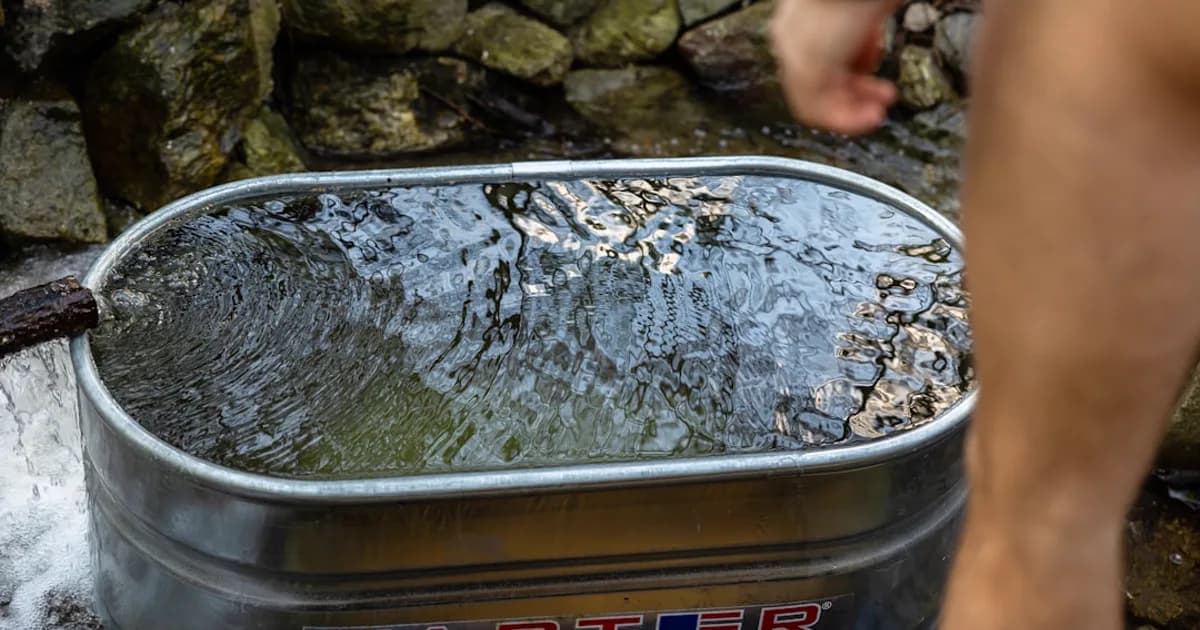
Cold plunging is having a real moment right now — from backyard stock-tank setups in Ham Lake to the plunge tubs people book on purpose in the dead of a Minnesota January. It looks simple. Get in, breathe, get out, feel amazing. And for a lot of people it really is that simple. But the smartest first move is usually a slower one, and good cold plunge safety starts before your toes ever touch the water.
This guide is about the "ease in slowly" part — who should take that advice most seriously, who should check with a healthcare provider before their first dip, and how to build cold tolerance without turning your first plunge into a shock to the system. It's written for curious beginners in East Bethel, Andover, Anoka County and the wider North Metro who want to try cold water the right way. Think of it as friendly wellness guidance, not medical advice.
The Cold Shock Response: Why the First Plunge Feels Like a Lot
That involuntary gasp when you hit cold water has a name: the cold shock response. It's a set of reflexes triggered by the cold receptors in your skin, and it sets off a fast cascade — a sharp inhale, rapid breathing you can't quite control, a jump in heart rate, and a spike in blood pressure. All of it is normal, and for most healthy people it settles within the first minute.
Under the hood, your body is flipping into fight-or-flight mode. Cardiologists describe the cold hitting your skin as a trigger for a surge of adrenaline and norepinephrine, which raises heart rate and blood pressure while blood vessels near the surface clamp down to hold onto heat. That's a lot of work for your heart in the space of a few seconds.
Here's why it matters for beginners. That first big gasp is exactly why you don't want to jump straight into ice-cold water or dunk your head on day one. If you can't control that first breath, you can't control much else. Easing in — slowly, chest-first, with your head up — gives your nervous system a beat to catch up instead of getting ambushed.
Who Should Talk to a Provider First
Most healthy adults can build a cold plunge habit safely. But a handful of conditions turn "ease in slowly" into "check with your doctor before you start at all." If any of the following describe you, have that conversation first.
Heart and blood pressure
The cold shock response asks a lot of your cardiovascular system, so heart concerns top the list. People with a heart rhythm disorder like atrial fibrillation, a history of heart disease, or uncontrolled high blood pressure should avoid cold plunges or get medical clearance first. Research on cold water as a healthy-aging habit gives the same warning for anyone with unstable cardiac disease or uncontrolled hypertension.
Circulation and nerves
Cold makes blood vessels constrict, which is a problem if your circulation is already compromised. Cleveland Clinic notes that people with peripheral artery disease, Raynaud's syndrome, diabetes, peripheral neuropathy, or generally poor circulation face heightened risk and should check with a provider before plunging. Reduced sensation also makes it harder to notice when you've been in too long.
Pregnancy and older age
If you're pregnant, make cold plunging a conversation with your provider rather than a solo experiment. Age matters too. Older adults lose heat faster and are more vulnerable to its effects — hypothermia remains one of the leading causes of cold-related harm among older individuals. None of this means cold water is off-limits with age; it means the "start gentle" rule counts double.
To be clear, this is wellness, not medicine. A cold plunge isn't a treatment for any condition, and nothing here replaces the advice of a qualified healthcare provider who knows your history.
How Your Body Learns the Cold
The good news is that cold tolerance is trainable. Your first plunge and your thirtieth feel like completely different experiences, and that's not just in your head. With regular, gradual exposure, your body adapts over weeks to months — the stress-hormone response settles down, and that frantic cold shock reaction becomes a lot more manageable.
Reviews of cold water therapy describe a whole range of adaptations that build up with consistent practice, from a calmer stress response to changes in how the body generates heat. The theme across the research is patience. The benefits accumulate over months of steady, sensible exposure — not from one heroic ice bath.
Worth knowing: there's no scientific consensus on the single best temperature, timing, or duration for a cold plunge. That's actually freeing. It means the right answer is the conservative, personalized one. Start where it feels challenging but controllable, and let your own progress set the pace.
Ease In Slowly: A Beginner's Roadmap
So what does "ease in" actually look like in practice? A few simple guardrails cover most of it.
Start warmer, shorter, and less often
You don't need near-freezing water to begin. Cleveland Clinic suggests newcomers keep the water on the warmer end — roughly 50 to 59°F — and cap early sessions at just one or two minutes, never more than five. Once or twice a week is plenty at first. From there you can gradually go colder or longer as your body adapts, which is exactly the kind of short, low-temperature progression the healthy-aging research points toward. If you want to dial in the numbers, our guides on how long a beginner should stay in and how cold your plunge really needs to be go deeper.
Breathe, and listen to your body
Slow exhales are your best friend in the first 30 to 60 seconds — they're the quickest way to talk your nervous system down from that gasp reflex. If you're new to this, our breathing technique for your first plunge walks through it step by step. Knowing when to get out matters just as much: numbness, hard shivering, or anything past normal cold discomfort is your cue to exit. Numbness dulls your motor control, which makes climbing out safely harder than it sounds.
Rewarm on purpose
Getting out is only half of it. Dry off quickly, get into warm layers, and let your body come back to temperature. Plenty of people in Minnesota love pairing a plunge with a warm sauna afterward — a natural fit when it's below zero outside. Take the rewarming as seriously as the plunge itself.
A Supervised Start in the North Metro
There's a real difference between a lake alone in February and a clean, temperature-controlled plunge with someone nearby. A maintained setup holds the water at a known temperature, takes out the guesswork, and means you're not troubleshooting your first cold shock response by yourself. For a first plunge especially, that supervision is a simple, worthwhile safeguard.
If you're in East Bethel, Ham Lake, Andover, Blaine, Cedar or anywhere in Anoka County and want to try it in a controlled setting, you can experience cold plunge at 5D Wellness with staff on hand to help you ease in. When you're ready, you can book a visit and start slow.
Frequently Asked Questions
Is a cold plunge safe for beginners?
For generally healthy adults, yes — as long as you ease in. The safest starting point is warmer water (around 50–59°F), a short first dip of one to two minutes, and no more than once or twice a week while your body adapts. The bigger safety question is your health history: if you have a heart condition, high blood pressure, or circulation issues, talk to your provider before you start.
Who should not do a cold plunge?
Anyone with a heart rhythm disorder like atrial fibrillation, a history of heart disease, uncontrolled high blood pressure, or circulation conditions such as peripheral artery disease or Raynaud's should avoid cold plunges or get medical clearance first. People who are pregnant or who have diabetes, peripheral neuropathy, or poor circulation should also check with a healthcare provider before their first plunge.
What is the cold shock response?
It's your body's automatic reaction to sudden cold water — an involuntary gasp, fast breathing, and a spike in heart rate and blood pressure. It usually passes within the first minute, but that first gasp is why easing in and controlling your breath matters so much, especially if your head goes under.
How do I ease into cold water safely?
Start warmer and shorter than you think you need to, focus on slow exhales through the first 30–60 seconds, and get out before you feel numb or start shivering hard. Increase your time and lower the temperature gradually over weeks, not days. Having someone nearby the first few times is a smart, simple safeguard.
The Bottom Line
Easing in slowly isn't the timid choice — it's the one that lets cold plunging actually become a habit instead of a one-time dare. Let your breath lead, respect the cold shock response, and give your body the weeks it needs to adapt. If you have a heart, circulation, or blood-pressure condition, are pregnant, or are older, make a quick provider conversation your real first step. And when you're ready for that first dip, a supervised plunge close to home in the North Metro is a calm, safe place to begin.
This article is for general wellness and educational purposes only and is not medical advice. 5D Wellness services are not a substitute for professional medical care. Results vary by individual. Consult a qualified healthcare provider before starting any new wellness practice, especially if you are pregnant or have a medical condition.