
Massage & Bodywork
Who Oversees Massage in Minnesota? Chapter 146A and the 2026 Registration Law
5D Wellness Team·7 min read·November 18, 2026
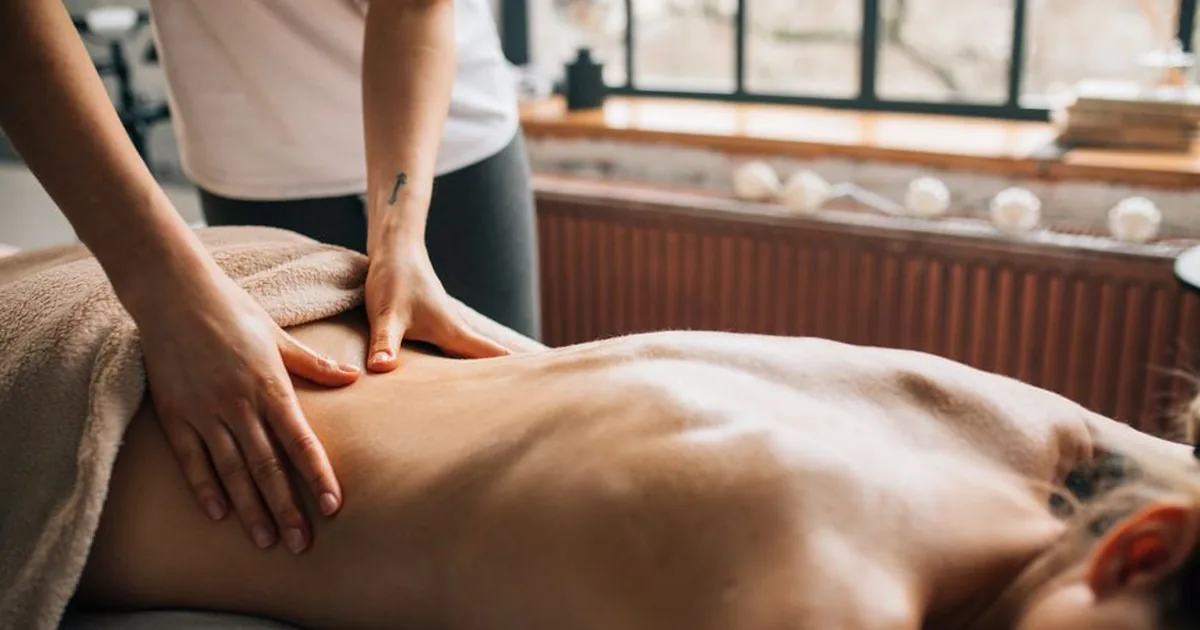
Who is watching the work when you book a massage?
You book a massage in East Bethel, Blaine or Andover, and a fair question follows: who sets the rules for the person on the other side of the table? If you searched this a few years ago, you were told Minnesota left it to cities. That answer is out of date now. A 2026 state law adds registration for massage therapists, and an older chapter, 146A, still gives the state a way to look into complaints.
Here's the map, in plain language: what Chapter 146A says, what the new law does, which dates matter, and what cities such as Hastings still require. It's a reader's guide, not legal advice, so the statute links are there for the exact wording. If you are curious about our East Bethel studio, that lives on its own page.
What Chapter 146A covers
Massage is named in the list
Chapter 146A of Minnesota Statutes is about complementary and alternative health care practices. Its definitions section lists many practices, and item 17 reads "body work, massage, and massage therapy." So massage is named in the chapter itself. The statute also lists things that are not covered, such as surgery, x-ray radiation and setting fractures. You can read the full wording in Chapter 146A on the Minnesota Revisor's site.
The chapter speaks about "unlicensed" practitioners, meaning people who are not licensed or registered by a health related licensing board or by the commissioner of health, and who offer these practices for pay or present themselves as practitioners.
Who looks into complaints
The same chapter creates the Office of Unlicensed Complementary and Alternative Health Care Practice inside the Minnesota Department of Health. The statute says the office exists "to investigate complaints and take and enforce disciplinary actions" against unlicensed practitioners. It also says a person who knows of grounds for discipline may report the violation to the office, and that the office gives the person who complained a description of what it did about the complaint.
That's the core of Minnesota massage therapist regulation under 146A. The chapter doesn't hand out registrations. It gives the state a complaint route.
The 2026 registration law
What it is
In 2026 the legislature passed the Minnesota Massage Therapy and Asian Bodywork Therapy Act, found in sections 148.636 to 148.6377. The Minnesota House's new laws summary says the law "establishes registration for massage therapists and Asian bodywork therapists" and that the Department of Health receives funding to run it.
The duties of the commissioner of health are spelled out in section 148.6362. They include issuing registrations to qualified applicants, enforcing the act, investigating violations by a registrant or applicant, and imposing disciplinary action.
What this article leaves to the statute
The act has many parts, including qualifications, fees and an advisory council. We won't try to list them all here. If you are a therapist, or you run a business that employs one, read the act itself and the Department of Health's guidance before you act on a summary like this one.
Key dates to know
Three dates keep coming up, and they're easy to mix up.
- August 1, 2026. The House summary says the law "mostly takes effect" on this date.
- January 1, 2028. Under section 148.6364, no one may use the titles "registered massage therapist" or "RMT" (or the matching Asian bodywork titles) unless registered under the act. In everyday terms, the letters RMT start to mean something specific.
- July 1, 2028. Under section 146A.09, a person whose registration was suspended or revoked by the commissioner may not practice as an unlicensed practitioner under Chapter 146A during that period. On the same date, Chapter 146A says the office must share complaint, investigatory and disciplinary data about a named massage therapist when the commissioner asks.
Because these dates stagger, you may meet therapists today who describe themselves in different ways. A title you hear before 2028 may be a city license, a school credential or a state registration. Asking which one is a normal question.
Cities still have a say
State law didn't erase local rules. Many Minnesota cities license massage therapists and the businesses where they work, and the requirements differ from place to place. As one example, the City of Hastings says individuals and businesses must obtain a Massage Therapist License and a Massage Therapy Establishment License from the city.
On its massage license page, Hastings asks therapists for proof of certification from an accredited program of at least 500 hours, a photo ID, proof of general liability insurance, fees and a police department background check. The therapist license runs one calendar year, and the city says it may inspect licensed establishments and investigate complaints. The page does not cite a state statute, which tells you how locally these rules grew up.
Anoka County cities and their neighbors set their own terms. If you want to know what applies where you live, the city clerk's office is the right first call.
Questions worth asking any massage provider
You don't need to read a statute before a massage. A few simple questions cover most of it:
- Are you licensed by the city, registered with the state, or both?
- If I have a concern later, who do I contact first, you or the owner?
- What happens in a session, how long is it, and what should I wear?
A good studio answers these without fuss, and so should anyone you book. You can read about massage at 5D Wellness and our first-visit questions before you come in.
The short version
Minnesota now has three layers. Chapter 146A names massage and gives the Department of Health a way to take complaints. The 2026 act adds state registration with the commissioner of health, with title rules arriving January 1, 2028. Cities keep their own licenses on top. Ask questions, know where a concern would go, and when you are ready, book a visit and ask us anything about how a session works.
Frequently Asked Questions
Does Minnesota register massage therapists?
A 2026 law, the Minnesota Massage Therapy and Asian Bodywork Therapy Act, establishes registration with the commissioner of health. The House summary says it mostly takes effect August 1, 2026, with the protected title section starting January 1, 2028.
Where do I report a concern about a massage provider?
Chapter 146A lets anyone with knowledge of a violation report it to the Office of Unlicensed Complementary and Alternative Health Care Practice in the Minnesota Department of Health. For a business licensed by a city, the city clerk's office is another route.
Do cities still license massage therapists?
Some do. Hastings, for example, requires both a therapist license and an establishment license from the city. Check the rules for the city where the studio is located.
This article is for general wellness and educational purposes only and is not medical advice. 5D Wellness services are not a substitute for professional medical care. Results vary by individual. Consult a qualified healthcare provider before starting any new wellness practice, especially if you are pregnant or have a medical condition.
This article is for general information only and is not medical advice.