
Infrared Sauna
Sauna Gift Cards: A Cozy Minnesota Winter Present
5D Wellness Team·11 min read·November 1, 2026
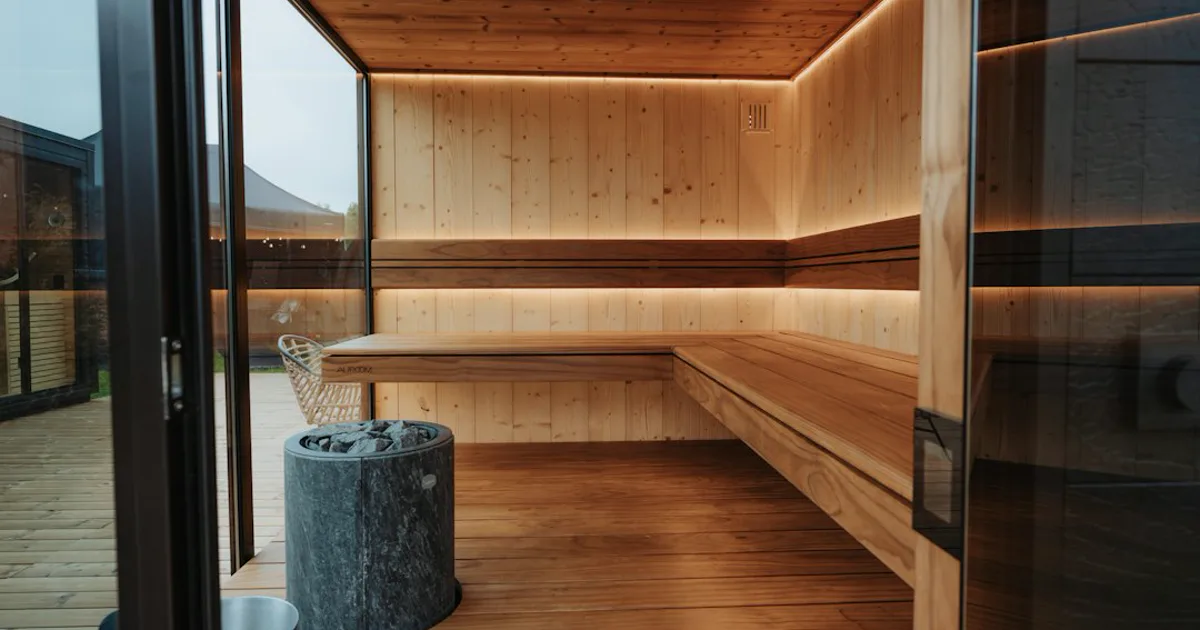
It's early November in East Bethel, the list is started, and nobody on it needs another candle. A sauna gift card in Minnesota solves a specific problem: it's warmth, given in the one season we're short on it, and it's an experience rather than another object someone has to find room for.
There's also a practical argument. Our winters run from the first hard freeze through a March that refuses to commit, and a gift that gets used in January beats one that gets admired on December 26th. Below: what the gift consists of, why a few sessions matter more than one grand appointment, how to land on an amount, and what's worth saying when you hand it over.
Why Heat Is the Gift That Actually Gets Used Here
You don't need the Minnesota winter explained to you — you need it acknowledged. By the second week of January, the drive home from Blaine in single digits has a particular quality: hands on the wheel, shoulders up near your ears, the heater losing to the windshield. Warmth stops being a luxury around then.
That's the difference between this and most of what's on the shelf. A blanket is nice. A mug is nice. Neither gets anyone out of the house on a Tuesday evening in February, which is exactly when getting out of the house helps most. If you're weighing options, we've written about broader wellness gift ideas for the North Metro — but heat reads differently in this climate than it would in Phoenix.
There's a reason it feels like a full-body thaw and not just a warm room. Under heat, blood flow shifts toward the skin — from a normal 5 to 10 percent of cardiac output up to roughly 70 percent, around 7 to 8 liters a minute. Your body is doing real work in there.
And the calm people describe afterward isn't imaginary. The research on sauna physiology describes a rebound during recovery: heart rate variability rises measurably and average heart rate drops from 77 to 68 beats per minute, a parasympathetic shift the authors compare to the quiet phase after interval training. The heat is the part you feel. The settled feeling on the drive home is the part people come back for.
What They're Actually Unwrapping: A Session, Start to Finish
If the person on your list has never done this, the gift is abstract to them. So be ready to describe it.
The shape of a visit
You arrive, change, rinse off, and get in. Cleveland Clinic puts the typical session at about 15 to 20 minutes, with newcomers starting nearer five minutes and building from there with each visit. Harvard Health gives the same advice for a first session: keep it to five minutes and watch for lightheadedness. Nobody is being graded.
Ours is a private room rather than a crowded public bench — low light, quiet, no reason to look at a phone. To walk someone through it in detail, here's what a 45-minute private sauna booking looks like, plus the service page for infrared sauna sessions at 5D Wellness.
Infrared or traditional, briefly
Traditional saunas run hot and dry, roughly 150 to 195°F. Infrared runs cooler — around 110 to 140°F — because the heat warms the body directly instead of heating the whole room first. If someone has always found a steamy room unpleasant, that gap matters more than any of the marketing around it.
On which is better, Cleveland Clinic's own family medicine physician is refreshingly blunt: "there's no clear indication that one is better than another." Pick based on what the person will actually enjoy sitting in, not on which one sounds more serious.
The cooldown counts
Cooling gradually and drinking water is part of how the session ends well. Some people add a cold plunge afterward; plenty never do, and that's fine.
Why a Multi-Session Card Beats a One-Off Visit
Here's the thing most gift guides get wrong. The interesting pattern in sauna research isn't about any single impressive session — it's about showing up.
In a cohort of 1,688 Finnish adults followed for a median of 15 years, outcomes tracked with how often people used a sauna and how many total minutes they logged per week, not with occasional marathon visits. Researchers describing the mechanisms make the same point from the other direction: benefits "likely accumulate gradually," partly through indirect routes like stress reduction and sleep.
Now the honest part. Harvard Health is deliberately measured here: a 2025 review of 20 randomized trials found these heat practices didn't improve most common measures of heart health, and frequent sauna users may simply be healthier to begin with. Much of the encouraging data is observational.
So the case for a gift card isn't a health promise. It's simpler: a handful of sessions is enough for someone to find out whether they like this enough to keep going. One visit tells them almost nothing except that they were sweaty and slightly unsure. Three or four tells them something real. For the math on where that lands, we compared drop-in rates with membership pricing separately.
Picking an Amount: Matching the Card to the Person
Three situations cover most of the list.
The curious first-timer. Fund two or three short sessions so the awkward first one isn't the only one they get. People rarely love anything on the first try, and a single-session card quietly sets them up to decide it wasn't for them.
The one who's already sold. Someone who talks about this already will put a larger balance toward a stretch of winter weeks, or the membership they've been circling since October. Go bigger and let them spend it.
The impossible-to-shop-for in-law in Ham Lake or Andover. A round dollar amount, no prescribed service, no pressure.
Two things worth asking us before you buy: whether the balance can be split across several visits (usually the more useful setup), and whether it can go toward other services if sauna isn't their thing. Flexibility is most of what makes a card a gift instead of a homework assignment.
Before You Hand It Over: Two Things Worth Mentioning
Water
Dehydration is the most significant risk of sauna use, and it shows up as thirst, headaches, muscle cramps and confusion. Water before and after is essentially the whole protocol. While we're here: sauna is not a weight-loss tool. Whatever the scale says afterward is water, and Cleveland Clinic says it plainly — "that is not weight loss, that is dehydration."
A quick conversation first, for some people
Cleveland Clinic suggests checking with a healthcare provider before using a sauna if you're over 65 or under 16, pregnant or trying to conceive, taking medications, or living with heart disease, aortic stenosis, heart failure, blood pressure concerns or a condition like epilepsy — and avoiding saunas entirely after a recent heart attack or stroke, or after drinking alcohol. If someone on your list is in one of those groups, the card is still a fine gift. Just mention the conversation.
One note on expectations: a systematic review of 40 studies concluded there's insufficient evidence to recommend a specific temperature, frequency or duration for any particular outcome. Which is oddly freeing. The right amount of sauna is the amount someone enjoys and tolerates comfortably.
Giving It Well: Timing, Pairing, and the Drive
Pair the card with something small and practical and it stops feeling like a voucher — a good towel, a water bottle, a pair of slides for the floor. Our guide to what to bring to a winter sauna visit doubles as a packing list if you want to assemble something.
Mention the drive, too. East Bethel is a short run from Ham Lake, Andover, Blaine, Cedar, Oak Grove, St. Francis and Isanti, and saying so keeps the gift from reading like a commitment. For timing, point them at the stretch between New Year's and the first thaw — the holidays are over, February is doing its worst, and that's when a card like this is most welcome.
Best of all, offer to go with them, or to watch their kids for ninety minutes. The barrier to a first session is almost never the money.
Frequently Asked Questions
How much should a sauna gift card be?
Enough to cover more than one visit if you can manage it. A single session is a pleasant afternoon; three or four is where someone starts to work out what they actually like about it. If you're unsure of the drop-in rate, a round dollar amount lets them apply it to whatever session length or add-on they prefer rather than locking them into one booking.
Do sauna gift cards expire?
Policies vary by business, so ask before you buy and pass along what you learn. Minnesota winters are long, and part of the appeal is that a card waits for a free Tuesday evening in February. Ask whether the balance splits across several visits, too — usually more useful than one large appointment.
Is an infrared sauna a good first experience for someone who's never done it?
It's often an easier entry point. Infrared runs meaningfully cooler than traditional — roughly 110 to 140°F against 150 to 195°F — because the heat warms the body directly rather than heating the whole room. Someone who finds a hot, humid room unpleasant may find infrared far more manageable.
Can I give a sauna gift card to anyone?
Nearly, with sensible caveats. Cleveland Clinic recommends a conversation with a healthcare provider first for anyone over 65 or under 16, pregnant or trying to conceive, on medications, or living with heart disease, blood pressure concerns or epilepsy, and advises avoiding saunas after a recent heart attack or stroke. If that describes someone on your list, the gift still works — just flag the first step.
The Bottom Line
The appeal of a sauna gift card in Minnesota isn't novelty. It's that this one gets redeemed, in the dark weeks when it's most wanted, by someone who'd otherwise have spent the evening on the couch watching the thermometer. Give enough for a few visits rather than one grand gesture, tell them to start short and drink water, and let them see how they feel a week in. When they're ready, they can book their first session in East Bethel.
This article is for general wellness and educational purposes only and is not medical advice. 5D Wellness services are not a substitute for professional medical care. Results vary by individual. Consult a qualified healthcare provider before starting any new wellness practice, especially if you are pregnant or have a medical condition.
This article is for general information only and is not medical advice.