
Red Light Therapy
Red Light Therapy vs a Tanning Bed: Visible Light, Not UV
5D Wellness Team·7 min read·November 18, 2026
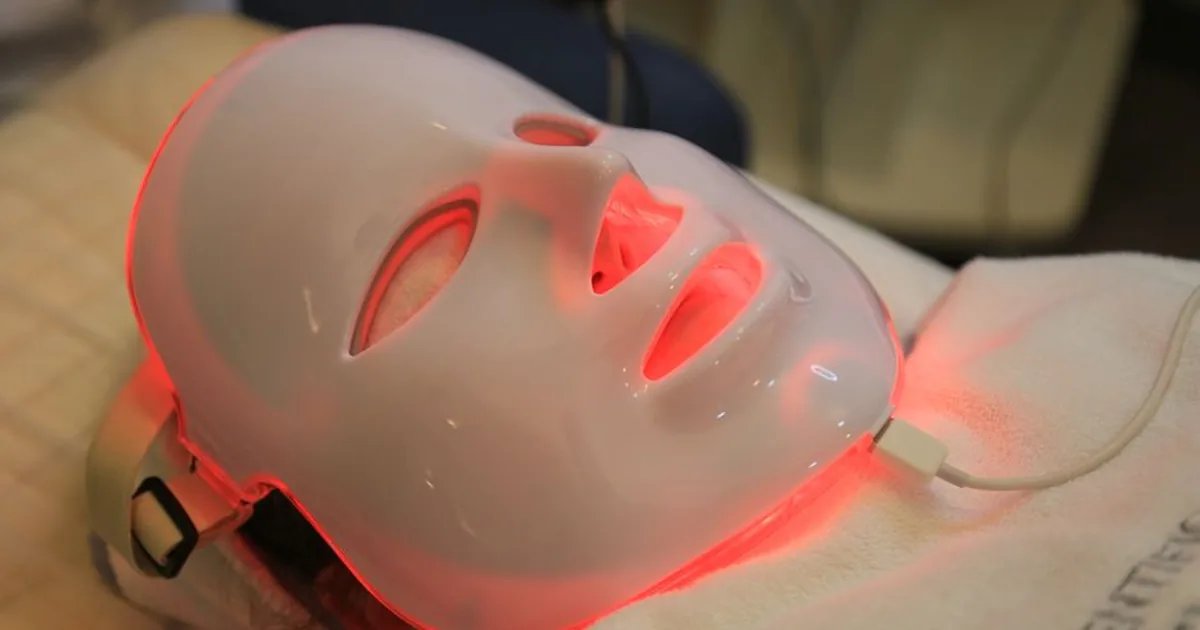
Two Glowing Rooms, Two Different Kinds of Light
If you have only seen them from the doorway, a red light panel and a tanning bed can look like cousins. You lie down or stand in front of a lit surface for a few minutes, and then you leave. Neighbors around East Bethel, Ham Lake and Blaine ask us about the difference often, so here is the short answer to red light therapy vs tanning bed: a tanning bed gives off ultraviolet (UV) light, and red light therapy uses visible red or near-infrared light with no UV in it.
That one difference is the whole story. This guide walks through what each light is, what the major skin and medical sources say about it, and who should check with a professional first. Nothing here promises what a session will do for you.
What Each One Gives Off
Visible red and near-infrared light
The American Academy of Dermatology describes red light therapy as a non-invasive treatment that uses red or near-infrared light. It is also called photobiomodulation. Most at-home devices use LEDs, while some use low-level lasers. Red light is part of the visible spectrum, the colors your eyes can see. Near-infrared sits just beyond it and you feel it as gentle warmth at most.
UVA and UVB
UV sits on the other side of the spectrum. The Skin Cancer Foundation explains that UV radiation has shorter wavelengths than visible light, so your eyes cannot see it, although your skin reacts to it. UVA has a longer wavelength and is the type mainly linked to tanning and skin aging. UVB has a shorter wavelength and is the type mainly linked to sunburn. The same page says UVA is the main type of light used in most tanning beds.
So the two rooms aren't variations on one theme. They use different parts of the light spectrum.
What a Tan Is, and What the Sources Say About UV
A tan is your skin responding to UV exposure. That is true outdoors and it is true in a tanning bed. The Skin Cancer Foundation calls UV radiation a proven human carcinogen and states plainly that there is no safe tan. Cleveland Clinic notes that the World Health Organization's cancer research agency, IARC, classifies UV-emitting tanning devices in the same carcinogen category as tobacco and asbestos.
That's why dermatology groups advise against indoor tanning, and why any adult who books a tanning session should know what they're choosing. At 5D Wellness, tanning is for ages 18 and older. You can read more in our guide to what a tanning session at 5D Wellness is.
What Research Says About Red Light
On the cancer question, the AAD is direct: unlike UV light, which can cause skin cancer, research has not found that red light can cause any type of cancer. Harvard Health says something similar, that red light therapy has not demonstrated the risks that come with UV. Cleveland Clinic adds that red light therapy does not use the UV light of the sun or tanning booths.
The same sources are careful about the limits, and so are we.
- The AAD says short-term use appears to be safe, but the long-term effects on skin and hair are not known.
- Cleveland Clinic says there is not enough evidence to support most of the uses people talk about, and that many studies were small or lacked placebo groups.
- Harvard Health says scientists have not settled the best dose or session length.
In other words, "no UV" is a fact about the type of light. It isn't a claim that red light does anything in particular for you. We describe what a session is, and we leave the rest to your own judgment and your clinician.
Who Should Check First
Visible light isn't a free pass for everyone. A few points come up in the sources:
- Darker skin tones. The AAD says people with darker skin tones may be more sensitive to visible light, which can lead to dark spots. Harvard Health suggests checking with a dermatologist and starting with lower doses.
- Light-sensitive conditions or medications. Harvard Health lists lupus and certain antibiotics as examples to raise with your doctor before using red light.
- Your eyes. Cleveland Clinic says misuse could harm unprotected eyes, and both it and Harvard Health mention eye protection. Our overview of red light safety and eye protection basics covers what to ask for.
If any of that sounds like you, or if you are pregnant or have a medical condition, talk with a qualified healthcare provider first.
Two Different Rooms at 5D Wellness
At our East Bethel studio, red light is a short visit: 5 to 10 minutes in front of two six-foot panels. Tanning is a separate session in a separate room, for ages 18 and older. They aren't combined, and one doesn't stand in for the other. If you want to picture the red light side, we wrote up what a red light session looks like, and you can see the service itself on our page for red light therapy at 5D Wellness.
Not sure which room fits what you have in mind? Ask the front desk. Eye protection, skin type and timing are all fair questions, and we'd rather hear them before your visit than after.
The Bottom Line
A red light panel and a tanning bed may both glow, but the light is different. One is visible red and near-infrared light, the other is UV. Major dermatology and medical sources call UV a proven carcinogen and say research has not found the same for red light, while also saying the long-term picture for red light is still unknown. Knowing which light you're standing in front of is the first step to choosing well.
Frequently Asked Questions
Is red light therapy the same as a tanning bed?
No. A tanning bed gives off ultraviolet light, mostly UVA. Red light therapy uses visible red or near-infrared light and does not tan skin.
Does red light therapy use UV?
No. Red and near-infrared light sit on the other side of visible light from UV. Cleveland Clinic says red light therapy does not use the UV light found in the sun or tanning booths.
Can red light therapy give me a tan?
No. A tan is the skin's response to UV, so a red light panel will not change your color. The Skin Cancer Foundation says there is no safe tan.
Do I need eye protection for red light?
Harvard Health and Cleveland Clinic both mention eye protection for devices that call for it. At 5D, ask the front desk about eye protection before your session.
Can I do both in one visit?
They are separate sessions in separate rooms. Tanning at 5D is for ages 18 and older.
This article is for general wellness and educational purposes only and is not medical advice. 5D Wellness services are not a substitute for professional medical care. Results vary by individual. Consult a qualified healthcare provider before starting any new wellness practice, especially if you are pregnant or have a medical condition.
This article is for general information only and is not medical advice.