
Cold Plunge
Cold Plunge Near St. Francis: Getting Started
5D Wellness Team·10 min read·October 9, 2026
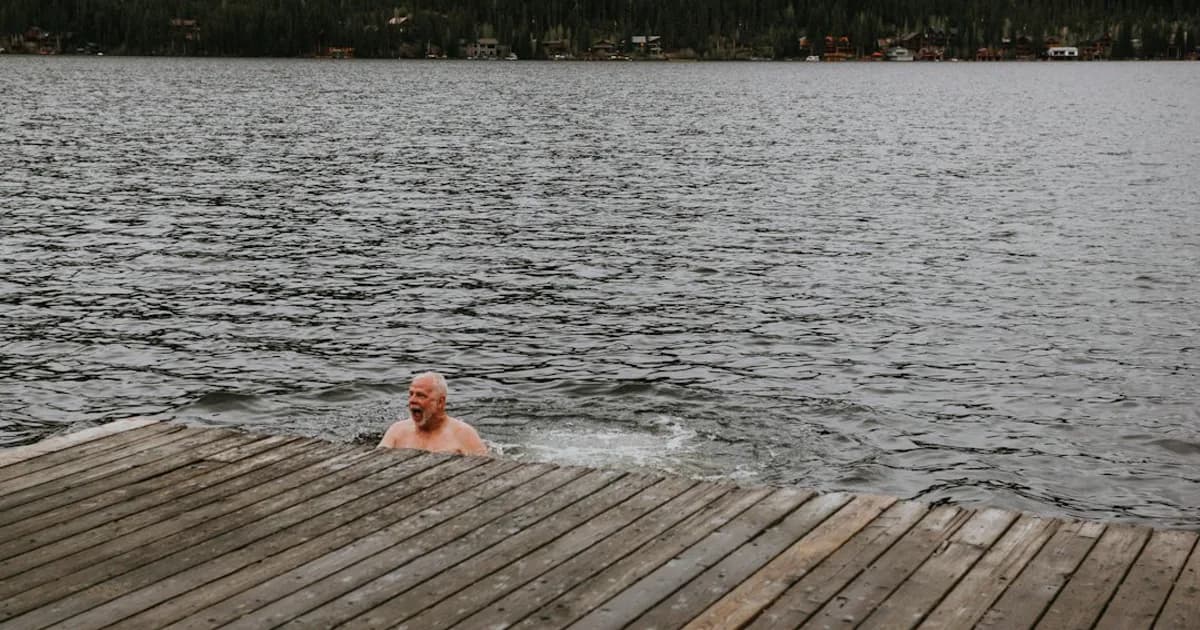
It's early October in northern Anoka County. The Rum River is about six weeks out from genuinely hostile, and that cold-plunge idea you rolled your eyes at back in July suddenly sounds like something a person might do on purpose. Minnesotans have a complicated relationship with cold water. We grew up being hollered out of the lake before our lips turned blue, and now there's a whole wellness practice built around doing the opposite on a schedule.
A controlled cold plunge and a February dare off a dock in Oak Grove are not the same activity, though. So if you're looking for a cold plunge near St. Francis, MN, here's the practical version: what happens in your body during the first two minutes, the three numbers worth remembering, and what the research actually shows.
What a Cold Plunge Actually Is
A cold plunge is deliberate immersion in cold water, usually chest-deep or deeper with your head above the surface. You'll also see it called cold-water immersion or cold therapy. The practice itself is old. What's new is the equipment that makes it repeatable.
Repeatability is where a maintained plunge pulls away from improvising. A purpose-built tub holds a steady temperature you can check against a number instead of a feeling, and research protocols cluster tightly in the 7–15 C band, roughly 45 to 59 degrees Fahrenheit — the 2025 meta-analysis of eleven randomized trials used exactly that range. A stock tank in your garage with a bag of ice from the gas station in Cedar doesn't hold a number. It drifts, usually colder than you meant it to.
Your First Session, Minute by Minute
Here's what nobody warns first-timers about: the first thirty seconds feel alarming, and that's by design.
You'll take a sharp involuntary inhale going in. Your breathing goes fast and shallow on its own. Your heart pounds. None of that means something's wrong — it's a reflex, and it passes. Knowing it's coming is most of the battle. Our first-timer's walkthrough for Cedar goes deeper on the entry mechanics if you want the step-by-step.
Then it settles, and the measurements bear that out. In a study of sixteen healthy adults immersed at 10.5 C for fifteen minutes, heart rate spiked to 85 beats per minute at the one-minute mark, then dropped to 65 by minute fifteen — below where it started. Systolic blood pressure told a similar story: 111 mmHg at baseline, 135 at one minute, easing back to 119 by the end. That early spike is real, which is why the health screening further down this page isn't boilerplate.
On a first visit, minute two is your exit. One to two minutes is a complete session. Get out before you start feeling impressive about it.
Then rewarm — and the rewarm is part of the protocol, not an afterthought. Dry off fast, pull on warm layers, move around a little. Decide how you're rewarming before you get in. A December drive back to Nowthen in a wet swimsuit is a planning failure, not a character test.
Temperature, Time, and Frequency for Beginners
Three numbers cover almost everything a beginner needs.
Temperature. Cleveland Clinic points beginners toward 50 to 59 degrees Fahrenheit (10 to 15 C) and sets 40 degrees as a floor you shouldn't go below. Fifty-two degrees is plenty cold to produce the full response.
Time. One to two minutes starting out. Five is the practical ceiling for most people, and Harvard Health puts fifteen minutes as an outer limit even for experienced plungers.
Frequency. Once or twice a week, adding sessions only as your cold tolerance builds.
Colder and longer isn't the upgrade it sounds like. Hypothermia can begin within minutes in water below 65 degrees, and numbness paired with reduced motor control makes climbing out harder than people anticipate. Harvard Health's advice to never plunge alone follows straight from that — a practical argument for a staffed facility over a backyard setup.
One more piece of timing. If you lift, keep the plunge away from your strength sessions: the same anti-inflammatory response that eases soreness can also quiet the muscle-building signals your body sends after resistance work, and that matters most within about four hours of training. Rest days are the better slot, which is useful to know if you're one of the gym regulars or hockey parents scattered across Anoka County.
What the Research Actually Supports
The honest version first: the evidence is thinner than the enthusiasm. Harvard Health's read is that research teasing out real benefits remains scant, and several popular claims are still inconclusive. Anyone selling you certainty here is running ahead of the science.
What does hold up is still useful. That 2025 systematic review covering eleven randomized trials and 3,177 healthy adults found a significant reduction in stress at twelve hours post-immersion, measurable improvement in sleep-quality scores, and quality-of-life gains after thirty days of regular cold exposure. On mood, a separate study put thirty-three cold-water-naive adults through a single five-minute immersion at 20 C and found positive affect rose by seven points, shifting the positive-to-negative ratio from 1.75:1 to 3:1; participants described feeling more active, alert, and attentive. In the fifteen-minute study mentioned earlier, negative affect and cortisol were both measurably lower about three hours afterward, with cortisol down roughly 47 percent.
What doesn't hold up: the meta-analysis found no significant immediate immune changes, mood findings across trials were mixed, and most studies looked at single sessions rather than sustained practice.
So the practical read for someone starting out near St. Francis is to think of this as a supportive wellness habit with a real stress-and-mood signal behind it, not a fix for anything. Notice the timing in that research, too — stress reduction showed up at twelve hours, the cortisol change at three. Judge your first plunge by how you feel stepping out of the tub and you're measuring the wrong moment.
Pairing Plunge and Sauna Through a Minnesota Winter
The sauna-then-plunge rhythm is where this stops being an endurance stunt and starts being something you look forward to. That appeal lands differently in January, when it's dark at 4:45 and the driveway needs shoveling again before dinner.
Cleveland Clinic names sauna as a reasonable rewarming partner, which also makes the plunge far less daunting for a first-timer — you're never more than a few steps from warm. If you haven't used one, our infrared sauna beginner's guide covers the basics.
A starter structure: sauna round, short plunge, rewarm. Repeat if you feel good, and finish warm rather than cold. Keep the plunge to its one or two minutes even inside a contrast round — the sauna doesn't buy you extra time in the water.
Where to Cold Plunge Near St. Francis
5D Wellness sits in East Bethel, a short run down Highway 65 from St. Francis, with a maintained cold plunge alongside infrared sauna, red light, and halotherapy under one roof. Having them in the same building is what makes contrast rounds practical instead of theoretical.
Indoor access matters more here than almost anywhere else. Outdoor water in northern Anoka County is either frozen solid or sitting well below the recommended floor for most of the year, so a maintained tub is the difference between a routine and a five-month pause. The same drive works for readers in Oak Grove, Cedar, Nowthen, Bethel, Isanti, and Andover.
For a first visit, bring a swimsuit, a towel, and warm layers for afterward.
Frequently Asked Questions
How cold should the water be for my first cold plunge?
Cleveland Clinic points beginners toward 50 to 59 degrees Fahrenheit (10 to 15 C) and regards 40 degrees as a floor you shouldn't cross. That range is cold enough to produce the full response — the sharp inhale, the racing heart, the eventual calm — without adding unnecessary risk. A purpose-built plunge holds a steady, monitored temperature, which beats guessing with a stock tank and a bag of ice in your St. Francis garage.
How long should a beginner stay in?
One to two minutes is a good first session. Cleveland Clinic regards five minutes as the upper bound for most people, and Harvard Health puts fifteen as an outer limit even for experienced plungers. There's no prize for staying longer. Get in, breathe, get out warm.
How often should I cold plunge?
Start with once or twice a week and add sessions only as your tolerance builds. That cadence also gives you room to notice how you feel in the hours afterward, which matters — the 2025 meta-analysis found the stress reduction appeared around twelve hours after immersion rather than immediately.
Should I cold plunge after lifting?
Probably not right after. The same vasoconstriction that calms post-workout swelling can also quiet the muscle-building signals your body sends following strength training, and the effect is most relevant within about four hours. If you lift Tuesday and Thursday, your plunge fits better on Wednesday or the weekend.
Who should talk to a doctor before trying a cold plunge?
Anyone who is pregnant or who has heart disease, high blood pressure, a heart rhythm condition, diabetes, peripheral neuropathy, poor circulation, or venous stasis should check with a qualified healthcare provider first. Cold water spikes blood pressure and makes the heart work harder, so this isn't something to self-clear. Harvard Health also advises never plunging alone.
Is there a cold plunge near St. Francis?
Yes. 5D Wellness in East Bethel is a short drive down Highway 65, with a maintained cold plunge plus infrared sauna, red light, and halotherapy in one place — which is what makes contrast rounds realistic in the middle of a Minnesota January.
Your First Month, Realistically
Getting started comes down to a small and frankly boring set of numbers: 50 to 59 degrees, one to two minutes, once or twice a week, a rewarm plan ready before you get in, and a conversation with your provider if anything on that health list applies to you. That's the entire entry ramp.
The effects worth watching show up hours later rather than in the tub, so give it a few weeks before you decide what you think. And if you'd rather start somewhere with a monitored temperature and a warm room a few steps away, book a session — we'll walk you through your first one.
This article is for general wellness and educational purposes only and is not medical advice. 5D Wellness services are not a substitute for professional medical care. Results vary by individual. Consult a qualified healthcare provider before starting any new wellness practice, especially if you are pregnant or have a medical condition.