
Recovery & Performance
Why Muscles Ache Two Days After a Workout: DOMS Explained
5D Wellness Team·8 min read·November 18, 2026
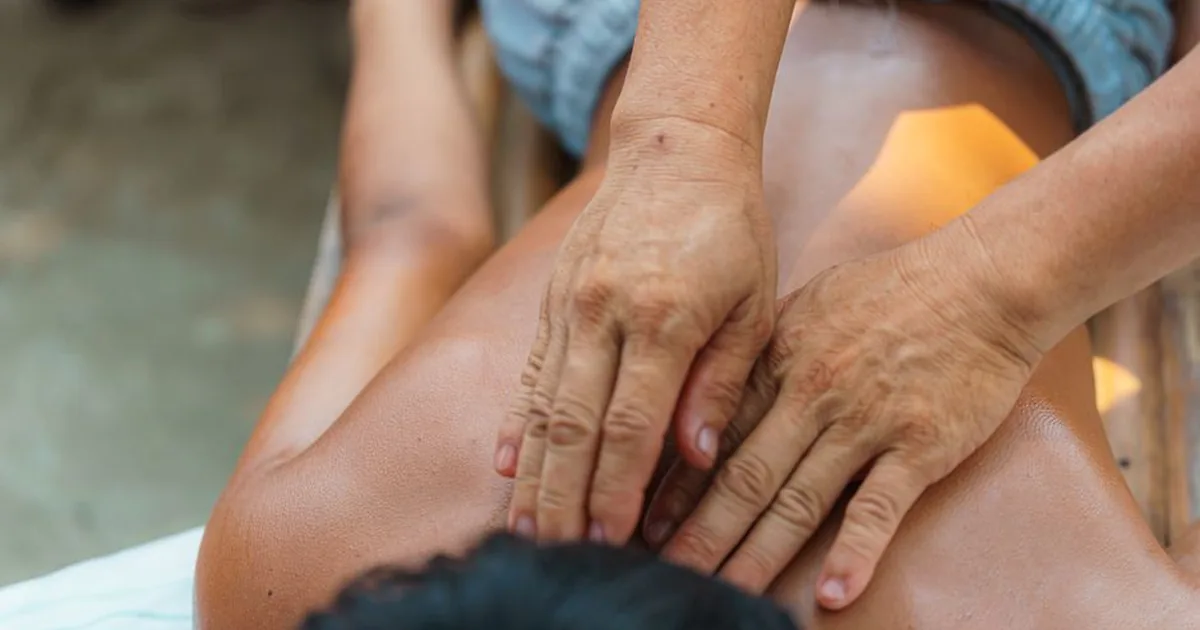
The ache that arrives after the workout is over
You finish a workout feeling fine. Two mornings later the stairs feel like a dare. If that sounds familiar, you've met delayed onset muscle soreness, usually shortened to DOMS. It's common around East Bethel and the North Metro whenever the season changes the routine: the first hockey skate of the winter, a weekend of shoveling after a heavy snow, or a long hike near Cedar after months at a desk.
This guide explains why the ache lags behind the effort, which kinds of movement tend to set it off, what researchers still do not know, and which signs deserve a call to a healthcare provider. It's general education, not advice for your body in particular.
What delayed onset muscle soreness is
The one-to-three-day delay
Cleveland Clinic describes delayed onset muscle soreness as muscle pain after intense exercise that starts one to three days after the workout. The name says it: the onset is delayed. You usually won't feel it during the session. It builds over several hours and shows up later, in the specific muscles you worked.
Who tends to get it
The same page says it usually follows a new activity, a new kind of training, or a workout harder than you are used to. A second Cleveland Clinic article adds that soreness is completely normal when you start something for the first time or come back after a long break from exercise.
What it feels like
Besides the ache itself, the muscles can feel tender to the touch, a bit weak, and stiff, with a smaller range of motion than usual. Walking down stairs, sitting down, or reaching overhead are the moments people notice it most.
Why eccentric moves are the usual trigger
Not every kind of exercise sets off the same soreness. The usual trigger is eccentric work, a motion where you tense a muscle while it lengthens. Cleveland Clinic lists a few everyday examples:
- The lowering phase of a bicep curl
- The lowering phase of a pull-up
- Walking or running downhill
- Lunges
- Landing after a jump
Think of lowering a heavy bag of salt for the water softener slowly to the floor, or stepping down a long flight of steps while carrying a laundry basket. The muscle is working hard as it lengthens, and that is the kind of load a PubMed review of the mechanisms links to the most soreness. That may be why a downhill walk can leave you sorer than the uphill climb that came first.
What may be going on inside the muscle
The familiar explanation is that hard or unfamiliar work creates tiny tears in muscle fibers, and the body repairs them. Cleveland Clinic puts it this way: most of the time DOMS is a sign your body is repairing and regrowing muscle fibers after you used them differently. A second article from the same source says those microtears are repaired with protein and rest.
Here's the honest part: researchers haven't settled every detail. The review above describes one widely cited model in which high tension during eccentric work disrupts the muscle fiber, and breakdown products collect in the tissue and stimulate pain-sensing nerve endings. The same body of literature is candid that the exact cause is not fully pinned down, and that the role of the body's repair response in the pain has not been clearly defined. If someone offers you a single tidy explanation, go in with some caution.
Two practical points are better established. Soreness usually fades on its own within a few days, and it tends to lessen as you train the same muscles again and again. Cleveland Clinic also notes that a workout can still be productive when you do not feel DOMS at all, so the old saying "no pain, no gain" is not a rule.
Normal soreness and signs to get checked
A sports medicine physician quoted by Cleveland Clinic describes the kind of soreness that is generally fine: a dull, low-level ache, around a 2 or 3 out of 10, that is not getting worse during exercise and is not getting in the way of daily activities. It should go away in a few days, and Cleveland Clinic says it rarely lasts more than five.
Some signs are worth a call to a provider rather than waiting it out. Cleveland Clinic lists these:
- Pain that lasts more than a week
- Pain that feels sharp and constant
- Severe swelling around a muscle
- Urine that is unusually dark or has blood in it
- Sharp pain that stops you from moving a body part or reduces your range of motion
- Pain in an area you injured before, or where you have had surgery
- Pain with fevers and chills
- No relief after several days of rest and over-the-counter pain relievers
The same page calls two rare conditions, rhabdomyolysis and compartment syndrome, medical emergencies and says to go to the emergency room if you think you have symptoms of either. Nothing here replaces a conversation with someone who can examine you.
Gentle things people do on a sore day
Cleveland Clinic is plain that there is no treatment made specifically for DOMS, and that rest is usually the best approach. Beyond that, its lists of everyday options include light movement, drinking enough water, a proper warm-up and cool-down, using ice or heat, and massage or foam rolling. It also says to avoid another heavy leg day right away, and that anyone who finds themselves icing often or taking medication frequently should have the soreness evaluated.
If a hands-on option appeals to you, our foam rolling guide walks through a gentle routine, and what to do after a cold plunge covers the practical steps for a visit. If you would rather have someone else do the work, see the massage options at 5D Wellness in East Bethel. These are choices people make on a sore day, not fixes for soreness.
For next time, Cleveland Clinic's 10% rule is a simple guide: raise weight, duration, or intensity by no more than about 10% a week, so the muscles get time to catch up with the plan.
The short version
An ache that arrives a day or two after something new is a common pattern, and most of the time it fades within a few days. Eccentric moves like lowering, downhill walking, and lunges are the usual triggers. The mechanism is still debated, so keep expectations modest. Know the normal range, ease back in, and call a provider if the warning signs above show up.
Frequently Asked Questions
How long does delayed onset muscle soreness last?
Cleveland Clinic says it usually lasts a few days and rarely more than five. If it lasts a week or more, it could be something else, such as a muscle strain, and is worth a call to a provider.
Do I need to feel sore for a workout to count?
No. Cleveland Clinic notes a workout can still be productive without DOMS. Muscles also adapt when you repeat the same movements, so less soreness over time is expected.
Should I work out when I am sore?
For low-level, dull soreness, a Cleveland Clinic sports medicine physician says a lighter workout than you are used to is probably fine. If the soreness is more painful or the routine is harder to do, it is best to avoid strenuous activity until it settles.
Why do stairs hurt more than the workout did?
Lowering and downhill moves are eccentric, a likely trigger for DOMS. The ache arrives later rather than during the session, which is why a downhill hike can show up on the stairs two days afterward.
This article is for general wellness and educational purposes only and is not medical advice. 5D Wellness services are not a substitute for professional medical care. Results vary by individual. Consult a qualified healthcare provider before starting any new wellness practice, especially if you are pregnant or have a medical condition.
This article is for general information only and is not medical advice.