
Halotherapy
Salt Sauna Near Coon Rapids: A Halotherapy Primer
5D Wellness Team·10 min read·October 7, 2026
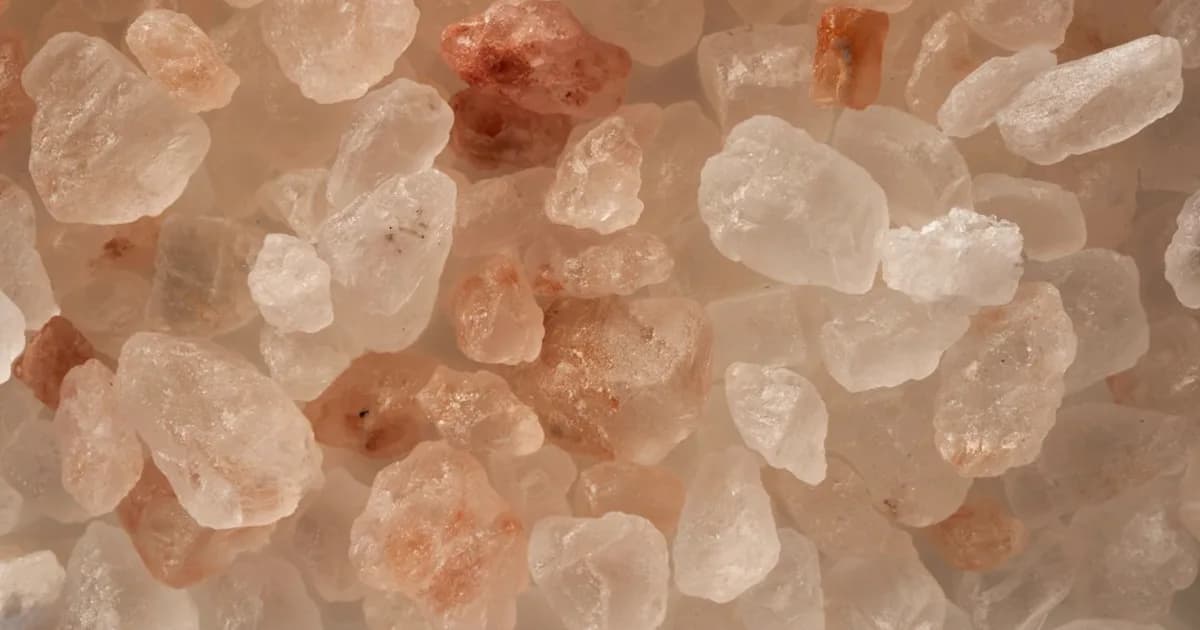
The furnace has already clicked on a few times. It's early October in the North Metro, which means the long dry-air stretch that runs clear through April has quietly started — and this is the season people start searching for halotherapy near Coon Rapids, MN, usually after spotting the word on a wellness menu with no real idea what it means.
If that's you, this is the primer. Halotherapy, usually marketed as a salt sauna, is one of the easiest wellness therapies to try: fully clothed, no sweating, out the door in under an hour. It's also surrounded by claims that run from reasonable to badly overstated. So here's the therapy, the session, what researchers have and haven't found, and how the whole thing fits a Minnesota winter.
What Halotherapy Actually Is
The idea goes back to the 1800s, when a Polish physician noticed that salt mine workers reported fewer respiratory complaints than miners working other operations. That's the whole foundation of modern salt therapy — a workplace observation, not a clinical trial. Worth knowing up front, because it explains a lot about where the evidence sits two centuries later.
Active rooms versus passive rooms
Here's the distinction that matters most, and almost nobody explains it. According to Cleveland Clinic, an active salt room runs a machine called a halogenerator that pulverizes salt into microscopic particles and disperses them into the air you breathe. That's true halotherapy. A passive room is a climate-controlled space decorated with Himalayan, Dead Sea, or rock salt, built for a meditative experience but without any active salt circulation.
Both can be lovely rooms to sit in. Only one is doing the thing the research describes. So if you're shopping around the North Metro, that's a fair question to ask: does your salt room run an active halogenerator?
One note on the name. It borrows "sauna" for the enclosed-room feel, not the heat. A salt room is kept comfortable rather than hot, because heat isn't the point. The air is.
The proposed mechanism
The thinking here is mechanical rather than pharmaceutical. Inhaled salt particles are thought to thin mucus secretions and support the airway's own mucociliary clearance, which is what makes a cough more productive. That's the proposed pathway, and it's worth holding loosely — a hypothesis with some support behind it, not a settled mechanism.
What a Salt Sauna Session Near Coon Rapids Actually Feels Like
Less dramatic than most people expect, which is honestly part of the appeal.
Before you go
There's no prep. No swimsuit, no towel, no shower afterward — street clothes and a water bottle. Most sessions run 20 to 45 minutes.
In the room
Dim light, salt underfoot, low music, a reclining chair. Phones go away, mostly because the room makes it obvious that they should. The aerosol itself is so fine you'll barely register it, though a faint salty taste on your lips is common about ten minutes in. The salt sauna at 5D Wellness in East Bethel is set up this way — roughly a 20 to 25 minute drive up Highway 65 if you're starting in Coon Rapids.
What's normal and what isn't
A temporary uptick in coughing or throat-clearing is the side effect people report most, and it's expected rather than concerning. That's the salt loosening mucus. The other honest caveat: some salt rooms are small, which matters if confined spaces bother you, so ask about room size when you call. Afterward, you walk out and drive home. No recovery window, no grogginess, nothing to schedule around.
What the Research Supports, and What It Doesn't
Here's where being straight with you matters more than being enthusiastic.
What studies have found
A 2020 review of halotherapy in chronic respiratory disease reported that studies measured improvements in pulmonary function values including forced expiratory volume, forced vital capacity, and peak expiratory flow, plus gains in how participants rated their own quality of life. That's a real signal, and it's why halotherapy gets discussed as a possible adjunct at all.
What the studies haven't settled
A systematic review of halotherapy trials in chronic obstructive pulmonary disease found insufficient evidence to include it among recommended therapies. There are still no official clinical guidelines for salt rooms or dry salt inhalers anywhere. The trials run small, protocols vary wildly from one facility to the next, and blinding someone to whether they're breathing salt is genuinely hard to pull off.
An honest read on the calm
Cleveland Clinic's Dr. Melissa Young makes a point salt studios rarely repeat: much of the relaxation people feel may come from the setting itself, not the salt. "You could get the same effect without it," she notes. That doesn't make the half hour worthless — plenty of people in Anoka County have no other reliable place to sit still for 30 minutes. It just means being clear-eyed about which part is doing the work.
She's similarly blunt that the popular claims about skin appearance and immune function lack sound studies behind them, and that the unregulated industry resembles "the Wild West, with everyone doing it a different way." Her framing is the right one to carry into any salt room: an extra in your wellness routine, never a replacement for care you're already receiving.
Why Dry Salt Air Lands Differently in Minnesota
From October through April, homes in Coon Rapids, Blaine, Andover, Ham Lake, Oak Grove, and Anoka run on forced-air heat. Six straight months of it. Sinuses, throats, and skin all notice, and by February most of us have stopped noticing that we notice.
The salt-and-water parallel is worth a mention. Harvard Health describes how saline rinsing washes away mucus and the chemicals that trigger inflammation, bringing down swelling and clearing pollen, dust mites, and pet dander out of the nasal passages. Rinses were also found to reduce the severity and duration of a cold. That's a related and considerably better-studied use of salt. It doesn't prove a salt room does the same thing — it just explains why the underlying idea isn't far-fetched.
And the seasonal case here runs year round, not only in January. Winter dryness gives way to spring allergy season in the North Metro, which gives way to the smoke-heavy summer air days we now plan around.
Building a Full Visit: Salt, Heat, Cold, and Light
Halotherapy stacks well with other therapies because it asks almost nothing of your body. Low intensity, fully clothed, no sweating — it slots in before or after something harder without competing.
Infrared sauna is the natural pairing. Infrared cabins run 110 to 135 degrees rather than the 150 to 195 of a traditional sauna, comfortable enough that a beginner can do both in one visit. Our infrared sauna beginner's guide covers easing into that. The salt room also works as a cooldown after a cold plunge, or as the quiet bookend to a red light session.
A realistic North Metro afternoon: leave Coon Rapids around two, 30 minutes in the salt room, 15 in the sauna, home before the school bus.
Who Should Check In With a Provider First
Salt rooms are low-risk for generally healthy adults, and the practice has been in use in some form for nearly two centuries. Still — anyone pregnant, managing a diagnosed condition, or taking medication should talk with their own clinician first.
If your visit includes the sauna, standard sauna guidance applies. Cleveland Clinic suggests keeping sessions to roughly 15 to 20 minutes, starting at five if you're new, and drinking water before and after. That provider conversation is also recommended for people over 65 or under 16, anyone pregnant or trying to conceive, and anyone living with heart conditions, blood pressure irregularities, or epilepsy. Step out of any heated room if you feel dizzy, weak, or short of breath.
Frequently Asked Questions
Is a salt sauna the same thing as a regular sauna?
No. A traditional sauna is about heat — 150 to 195 degrees of dry air, with an infrared cabin running cooler at 110 to 135. A salt sauna, or halotherapy room, is about the air itself: a halogenerator grinds salt into a fine dry aerosol you breathe for the length of the session. Some salt rooms are gently warmed for comfort, but heat isn't the point. You can sit in one fully clothed and walk out without breaking a sweat.
How long is a halotherapy session, and how often would I come?
Most sessions run 20 to 45 minutes, and the room is quiet enough that people use it as a phone-free reset. Frequency is a personal call rather than a protocol. Some come once out of curiosity; others settle into a weekly rhythm through the worst of a Minnesota winter. Because nothing about this industry is standardized, ask any studio how long their sessions run and whether the room uses an active halogenerator.
Does halotherapy actually work?
The evidence is mixed. Reviews have reported improvements in pulmonary function values and self-rated quality of life, but the studies tend to be small and inconsistent, and one systematic review found insufficient evidence to recommend halotherapy for COPD. Cleveland Clinic's position is a fair one: an addition to your wellness routine, not a substitute for medical care.
What does a salt sauna feel like for a first-timer?
Quieter and less eventful than most people expect. You sit in a dim room with salt underfoot, soft light, and low music, and the aerosol is fine enough that you mostly don't notice it. Some people taste a faint saltiness on their lips. A temporary increase in coughing is normal and expected, since that's the salt loosening mucus. Most first-timers describe it as closer to meditation than to a therapy appointment.
How far is 5D Wellness from Coon Rapids?
5D Wellness is in East Bethel, a straightforward drive north for anyone in Coon Rapids — roughly 20 to 25 minutes up Highway 65. That puts a salt sauna within reach for Coon Rapids, Blaine, Andover, Ham Lake, Oak Grove, and Anoka without making an afternoon of the drive.
The Bottom Line
Halotherapy is a modest, pleasant, low-risk thing with a modest evidence base. That combination makes it a good fit for a dark Minnesota winter and a poor fit for anyone expecting dramatic results. The realistic value: 30 quiet minutes in dry salt air, no phone, in a season that gives most of us few excuses to sit still.
If that sounds worth 25 minutes up Highway 65, you can book a session or just stop in and look at the room first.
This article is for general wellness and educational purposes only and is not medical advice. 5D Wellness services are not a substitute for professional medical care. Results vary by individual. Consult a qualified healthcare provider before starting any new wellness practice, especially if you are pregnant or have a medical condition.