
Red Light Therapy
Red Light Therapy: How Long and How Often? A Beginner's Guide
5D Wellness Team·8 min read·July 11, 2026
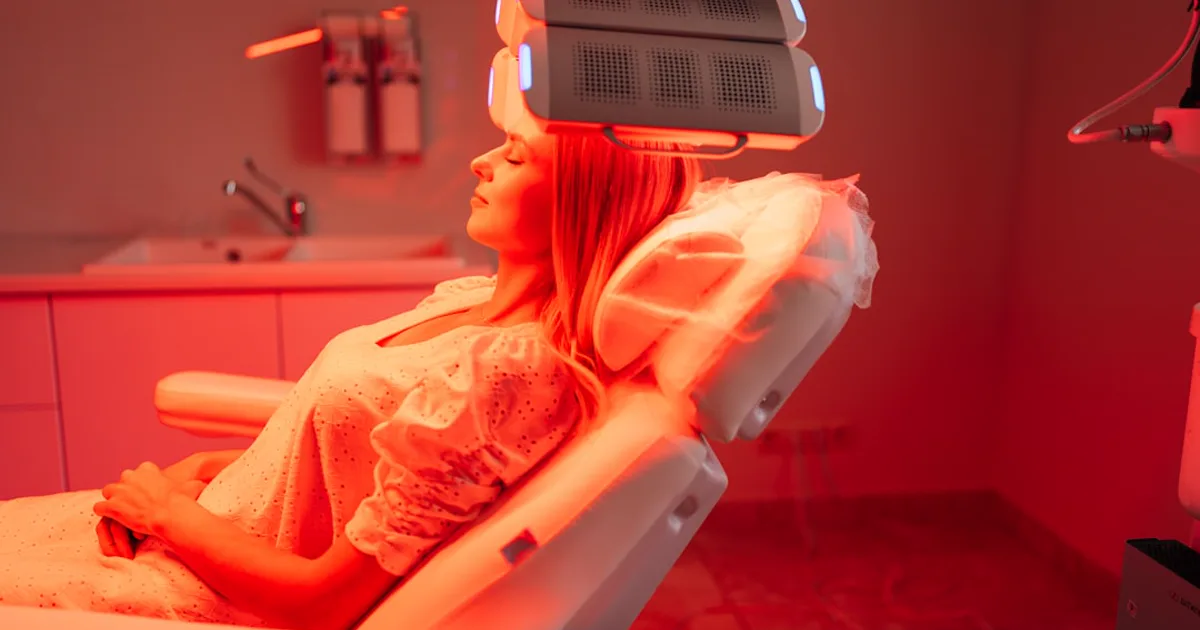
You booked your first red light session — or maybe you just unboxed a panel at home — and right away you hit the question nobody quite answers for you: how long am I supposed to sit here, and how often do I come back? That's the practical core of how often to do red light therapy. It's also the part that decides whether the habit sticks or fizzles out by February.
Here in the North Metro, red light is one of the easier things to fold into a winter routine. No cold shock, no sweating it out. You sit, you relax, and the light does its thing. But it only pays off if you're consistent, so let's walk through it: session length, how often to go, why the gaps between sessions matter, and how long before you'll actually notice something.
Session length: why 10 to 20 minutes is the sweet spot
Good news for anyone with a packed calendar in Ham Lake or Andover — sessions are short. In one clinical skin study, participants used just 12 minutes of red light per session and still saw measurable changes over three months. In a professional setting, an in-office LED session usually runs about 20 minutes.
So the range most beginners land in is roughly 10 to 20 minutes. That's it. You're not signing up for an hour.
Longer isn't automatically better
It's tempting to figure that if a little light helps, a lot must help more. That's not how it works. Light therapy follows what researchers call a biphasic response: your cells soak up a useful amount of light, and past that point, extra minutes stop adding much. Pile on too much time and it can quietly work against you.
The right session length also leans a little on your setup and the light itself. If you're curious about the hardware side, our explainer on the difference between 660nm and 850nm wavelengths pairs well with this one. For most people, though, the takeaway is simple — keep sessions short and don't overthink the clock.
How often should you go? Building a weekly rhythm
This is the heart of it. And the guidance is refreshingly manageable: one to three times a week, kept up over weeks to months. In the clinical study above, participants went twice weekly — and that twice-a-week rhythm was enough to produce steady, month-over-month improvement.
Notice what's missing from that list: daily. For most goals, you don't need to show up every single day, and daily use isn't clearly better than a well-spaced two or three sessions a week.
Making it stick locally
The best schedule is the one you'll actually keep. A trick that works for a lot of our North Metro regulars: anchor red light to a habit you already have. A few minutes after an infrared sauna. A quick stop on the drive home from work in Blaine or Coon Rapids. Twice a week is a low enough bar that it survives a busy Minnesota winter.
And if you'd rather someone else handle the setup and timing, you can experience red light therapy at 5D Wellness and build it into a regular visit.
Why spacing sessions out actually matters
Here's the part that surprises people. The gap between sessions isn't wasted time — it's doing real work.
The 72-hour idea
In that same clinical study, researchers deliberately spaced sessions about 72 hours apart to respect what they called the cells' "energy digestion time." Put plainly: your cells need a beat to finish responding to one dose of light before the next one does any good. Crowd the sessions too close together and you can blunt the effect instead of building it.
Want the deeper "why" behind that? Our piece on how red light therapy works at the cellular level digs into what's happening inside the mitochondria between sessions.
The beginner takeaway
Leaving a day or two between sessions isn't you slacking off or missing some shortcut. It's the intended design. A Monday–Thursday rhythm, or something close to it, gives your body the recovery window the research is built around.
How long until you notice results
Let's set expectations honestly, because this is where people get discouraged and quit early. Red light is not a same-day thing.
Slow and steady wins
A Harvard Health dermatologist put it plainly: for the devices to work, they need to be used multiple times a week for four to six months — "slow and steady," and "not going to be anyone's quick fix." In the clinical study, results genuinely built over time: better at two months than one, and better still at three.
So the honest timeline runs in weeks and months, not days. Oddly, that takes the pressure off. You don't need marathon sessions or a flawless streak — just a modest, repeatable rhythm you can hold across a season. Think of it the way you'd think about a Minnesota winter: you're playing the long game.
A few beginner basics before you start
Red light therapy is noninvasive, has no recovery time, and doesn't use UV light the way the sun or a tanning bed does. That's a big part of why it slots so easily into a wellness routine.
A few common-sense notes as you get going:
- Follow your device or studio's directions on timing and distance — those settings are there for a reason.
- Keep your eyes comfortable, and use the eye protection provided if it's recommended for your setup.
- More isn't better. Overdo it and skin can end up irritated rather than improved.
- Some people should take extra care — anyone with a light-sensitive condition, anyone taking photosensitizing medication, and those with darker skin tones, who may want to start with lower, shorter doses.
And to keep things in the right lane: red light therapy is a supportive wellness practice, not a fix for any specific medical condition. If you have health concerns, loop in your own provider first.
Frequently Asked Questions
How long should a red light therapy session be?
For most people, a single session runs about 10 to 20 minutes. Clinical studies on skin have used sessions as short as 12 minutes, and in-office setups often run about 20 minutes. Longer isn't automatically better — once your cells have absorbed enough light, extra minutes don't add much.
How often should you do red light therapy?
A common rhythm is one to three sessions per week, kept up over several weeks to months. Daily use usually isn't necessary and isn't clearly better; many protocols deliberately leave a day or more between sessions so your cells can recover.
Can you do red light therapy every day?
You can, but for most goals it's not required, and research suggests more isn't always better. A well-known skin study spaced sessions 72 hours apart on purpose. If you do go more often, keep individual sessions short and follow your device or studio's guidance.
How long before you see results from red light therapy?
Think in weeks and months, not days. Dermatologists describe it as slow and steady — often several sessions a week for four to six months before changes are noticeable. Consistency matters more than any single long session.
The Bottom Line
Red light therapy rewards rhythm over intensity: short sessions of roughly 10 to 20 minutes, a steady one-to-three-times-a-week cadence, spaced out so your cells can recover, held over a few months. It's about the least demanding healthy habit you can layer into a North Metro winter — no cold shock, no sweat, just a few relaxed minutes at a time.
If you'd like to try it without buying gear or guessing at settings, book a red light session and let a regular rhythm do the work.
This article is for general wellness and educational purposes only and is not medical advice. 5D Wellness services are not a substitute for professional medical care. Results vary by individual. Consult a qualified healthcare provider before starting any new wellness practice, especially if you are pregnant or have a medical condition.