
Recovery & Performance
A Recovery Day Plan for Off-Season Youth Athletes in Blaine and the North Metro
5D Wellness Team·10 min read·September 27, 2026
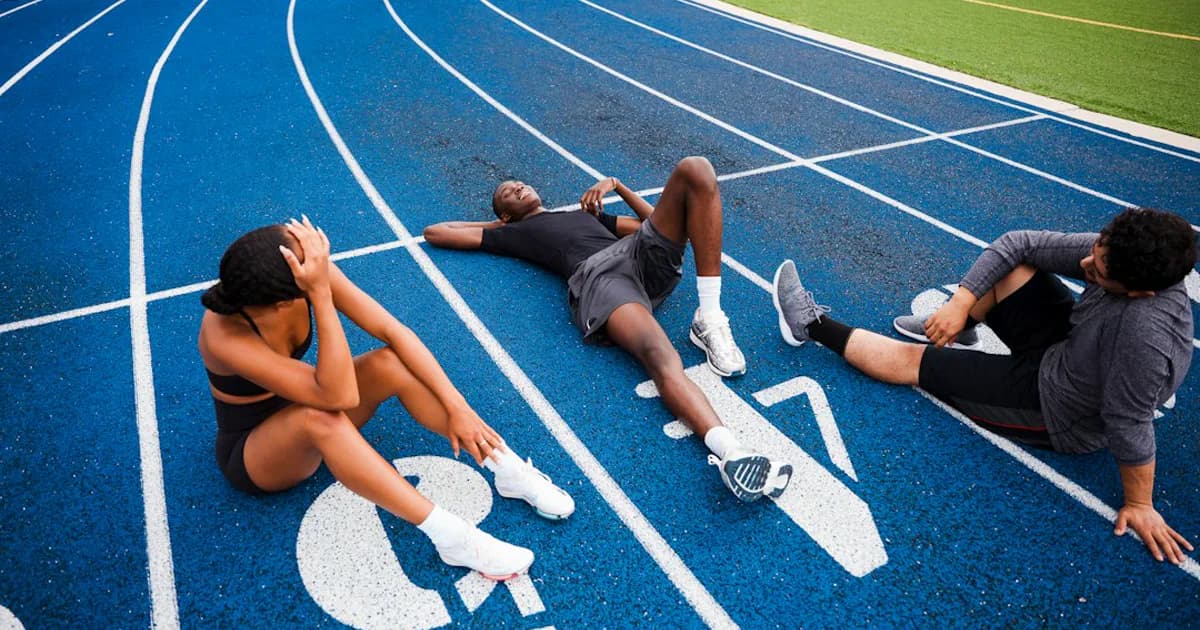
The Blaine Super Rink empties out. Nets come down at the Andover fields, the travel schedule finally has white space in it, and for the first time since September nobody in the house has to be anywhere at 6 a.m. That gap is one of the most useful training tools your family has. It's also the first thing most of us fill up with more training.
Recovery for youth athletes in Blaine and the surrounding North Metro is usually whatever happens in the cracks between practices. In the off-season, it can actually be planned. So here's what a recovery day looks like hour by hour, how much sleep a teenager genuinely needs, how to tell an easy-movement day from a true day off, and where heat, cold, and bodywork fit in without turning a day off into one more obligation.
Why the Off-Season Is When Recovery Actually Happens
The one-day-a-week floor
Start with the number sports medicine keeps repeating: young athletes should have at least one day a week for rest, and it should be a full day off to let the body recover. Not a lighter skate. Not an hour of skills work because the ice happened to be open. A day off.
The reason is structural. Growing bodies are more vulnerable to repetitive stress at their growth centers before skeletal maturity, and overuse injuries account for more than half of the medical visits young athletes make. In-season, that day off is a negotiation. In July it's just a decision.
The three-month idea
The second piece of guidance is bigger, and it gets skipped more often: specialists suggest a young athlete focused on a single sport take roughly a three-month break from that sport each year. Not three months on the couch — three months of moving differently. A hockey player swims. A runner lifts. A lacrosse player plays pickup basketball at the community center and doesn't touch a stick.
That variety used to happen on its own, back when kids played a fall sport, a winter sport, and a spring sport. In Blaine and Ham Lake, where one sport can realistically run eleven months, it has to be put back in on purpose.
What a Real Recovery Day Looks Like, Hour by Hour
A recovery day that's too vague turns into a day of video games. Here's a shape that holds up.
Morning
Let them sleep. Then get them outside into daylight reasonably soon after they're up — bright natural light on waking is one of the simplest ways to keep a teenage body clock anchored, which matters enormously once the 5 a.m. ice times come back.
Breakfast should be real: protein and carbohydrate, not a granola bar in the car. Water before the phone.
Midday
Twenty to forty minutes of genuinely easy movement. A walk at Lakeside Lions Park, a flat spin on the Rice Creek trail, a slow lap swim. The test is whether they could hold a conversation the whole time. If they're breathing hard, it stopped being a recovery day.
Then ten minutes of stretching or foam rolling — not a forty-minute mobility routine that becomes its own workout.
If last night was short, a nap is allowed and useful. Keep it under an hour and finish before 3 p.m. so it doesn't eat into bedtime.
Afternoon and evening
An optional studio block fits here, if your athlete likes that sort of thing. For families running a recovery day every week through the off-season, a recovery membership tends to make more sense than paying per visit.
Dinner with carbohydrate. Water through the evening. Screens off roughly two hours before bed, cool dark room. That's the whole day.
Sleep Is the Biggest Lever a Teenage Athlete Has
The numbers
Nothing else on this list competes with sleep. Reviews of sleep hygiene for athletic recovery put the floor at seven to nine hours, with the heaviest-training athletes doing better closer to nine.
Adolescents tend to need more than that. In one study of elite adolescent athletes, sleep averaged about 9.5 hours on training days and 10.5 hours on rest days. Read that second number again. When a teenager sleeps an extra hour on a day off, that isn't laziness — that's the recovery day working.
The levers that actually move it
A consistent wake time, weekends included, does more than any other single habit. Add a bedroom around 60 to 70 degrees, no caffeine after lunch, and screens off about two hours before bed, since blue light from a phone suppresses the melatonin that starts the whole process.
In Minnesota, that consistent wake time is both the hardest habit and the most valuable one. Dark December mornings and early ice fight it constantly, which is exactly why the off-season is when you build it.
One more thing worth knowing. In that same study of adolescent athletes, nutrition knowledge scored under 50% across every domain tested. So "eat a real breakfast and keep drinking water" isn't filler advice for teenagers — it's often the actual gap.
Active Recovery or a Full Day Off?
These are two different things, and both are legitimate. Active recovery means deliberately low-intensity movement: walking, easy cycling, swimming, yoga, stretching, foam rolling. As one Cleveland Clinic physician puts it, it's about paring back from what you usually do while continuing to move in a way that's comfortable. The payoff shows up as less soreness, better circulation, better range of motion, lower injury risk from overtraining, and a better mood.
Passive recovery is the other lane — sleep, massage, heat and cold exposure, genuine rest. That becomes the better choice when an athlete is sick, injured, sore in a way that lingers, or carrying real sleep debt.
The parent-friendly rule: if they're dragging but healthy, move gently. If something hurts or they're truly wrecked, the couch is the plan, and that's not a failure of discipline.
Where Heat, Cold, and Massage Fit In
None of this is required. It's what makes a recovery day appealing to a fifteen-year-old instead of boring, and everything here belongs in the passive-recovery lane, alongside sleep and rest.
Cold. The research is more specific than "colder and longer is better." A meta-analysis found that water between 11 and 15 degrees Celsius for 11 to 15 minutes produced the best results for muscle soreness, while colder water and longer sessions actually did worse than simply resting. The effect is real but modest, on the order of a few percent. For anyone under 18, a cold plunge should be a parent decision made with their healthcare provider, with an adult present and shorter exposures than an adult would use.
Heat. An infrared sauna session is a low-effort wind-down block that most teenagers will actually sit still for, especially paired with a phone-free twenty minutes.
Bodywork and light. If your athlete plays a contact sport, our guide to sports massage for youth hockey players covers what a session is like and what to tell the therapist. Families already coming in for recovery days may also find red light therapy for hockey families worth stacking into the same visit.
Signs Your Athlete Needs More Rest, Not More Reps
Watch for joint or muscle pain during activity; stiffness, swelling, or reduced range of motion afterward; fatigue that doesn't match how much they slept; sleep broken up by pain; mood changes; and performance slipping either in the sport or at school.
Young athletes routinely hide all of this because they're worried about being held out of something. If your read is that something's off, trust it. Anything that persists is a conversation with their healthcare provider, not something to work around with a longer sauna session.
Frequently Asked Questions
How many recovery days should an off-season youth athlete take each week?
At minimum, one full day completely off from sport-specific training every week, year round. In the off-season most North Metro families have room for two — one true rest day and one lighter active-recovery day. The important part is that at least one of those days involves no practice, no lifting, and no skills work at all.
Is a recovery day the same as doing nothing all day?
Usually not. Most recovery days work best as active recovery: a walk, easy bike ride, swim, stretching, or foam rolling at an intensity that feels noticeably easier than a normal workout. Full passive rest is the better call when your athlete is sick, sore in a way that lingers, or genuinely short on sleep.
How much sleep does a teenage athlete in Blaine actually need?
Sleep research on athletes points to seven to nine hours as a floor, with the highest-training athletes doing better closer to nine. In one study of elite adolescent athletes, sleep averaged about 9.5 hours on training days and 10.5 hours on rest days — teenagers naturally take more sleep on a day off, which is a good sign rather than a problem.
Should a young athlete use a cold plunge on a recovery day?
Cold water can take the edge off soreness, and the research points toward moderate temperatures for a short window rather than as cold and as long as possible. For anyone under 18 this should be a parent decision with input from their healthcare provider, and it belongs in a supervised setting with an adult present.
What are the signs my athlete needs more rest instead of more reps?
Joint or muscle pain during activity, stiffness or swelling afterward, fatigue that doesn't match their sleep, mood changes, and slipping performance in the sport or at school. Young athletes frequently hide these symptoms because they're worried about being held out, so parents should trust their own read on it.
Putting It All Together
The off-season isn't a gap in training. It's the one window in the year where recovery can be a scheduled part of the week instead of an afterthought — and the habits built in July are the ones that survive a February tournament weekend.
One genuine day off. Protected sleep with a consistent wake time. Easy movement that leaves them loose instead of sore. Real food and water. Heat or cold if your athlete enjoys it. If you'd like the studio side of that handled, you can book a session and we'll work it around the practice schedule.
This article is for general wellness and educational purposes only and is not medical advice. 5D Wellness services are not a substitute for professional medical care. Results vary by individual. Consult a qualified healthcare provider before starting any new wellness practice, especially if you are pregnant or have a medical condition.