
Recovery & Performance
Pairing Red Light and Sauna in One Recovery Visit
5D Wellness Team·9 min read·July 28, 2026
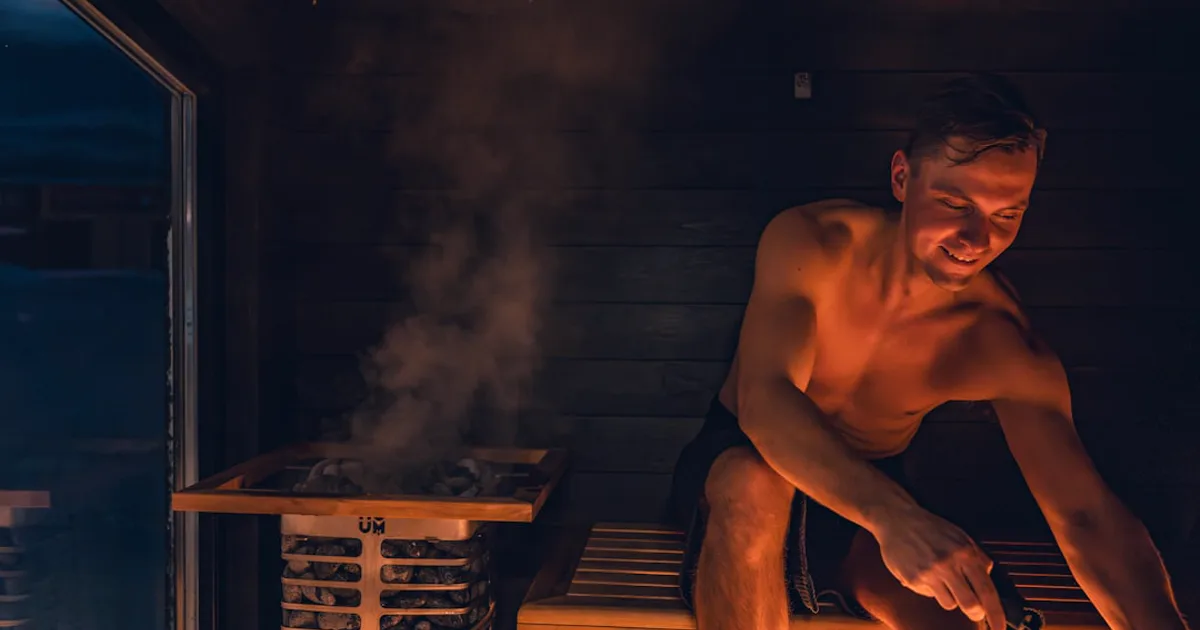
After a hard workout, a double shift, or a long stretch of Minnesota cold, your body just wants a reset. Around East Bethel and the North Metro, more people are figuring out that they can stack two gentle therapies into one stop — a red light and sauna combo recovery routine that fits into a single visit instead of two. It's a practical way to give tired muscles a little extra support without giving up your whole afternoon.
The pairing has real appeal for folks in Ham Lake, Andover, Blaine, and Cedar, where recovery competes with hockey practice, ice-fishing weekends, snow shoveling, and early shifts. So let's walk through it: what the sauna does, what red light therapy adds, why the two work well together, what a combined visit actually looks like, and who should take extra care before diving in.
What the sauna does for recovery
An infrared sauna warms your body directly instead of heating the air around you, so it runs cooler than a traditional sauna — usually somewhere between 110°F and 135°F. Even at those milder temperatures, your body reacts in a way that Cleveland Clinic notes mimics moderate exercise: you start to sweat, your blood vessels widen, and your heart rate ticks up.
That bump in circulation is the part that matters most for recovery. Better blood flow can help muscles bounce back after activity, which is why so many active people build sauna time into their week. And sitting in that warmth simply feels good — a quiet, screen-free window that many people compare to a short meditation.
The bigger picture, and sensible limits
The long-term research is encouraging, too. A large, decades-long study in Finland found that people who used a sauna more often had lower rates of cardiovascular and all-cause mortality — though the experts who reviewed it were careful to call the sauna a complement to exercise, not a replacement for it. It's a supportive habit, not a shortcut.
Keeping sessions reasonable is the smart move. Cleveland Clinic suggests new users start around 110°F for five to 10 minutes, stay under about 30 minutes, and hydrate well. Want to know more about the experience before you go? Our infrared sauna page walks through what to expect.
What red light therapy adds to the session
Where the sauna works through heat, red light therapy works through light. It uses red and near-infrared wavelengths — roughly 600 to 1100 nanometers — that reach into your tissue and interact with your cells' mitochondria. According to a review of photobiomodulation research, that interaction helps the mitochondria make more ATP (your cells' energy currency) and can influence how the body manages inflammation.
What the evidence shows — and its limits
Some of the clearest results come from controlled studies. In one randomized controlled trial, people who got a red-and-blue light patch after a standardized thigh bruise regained quadriceps strength faster than a placebo group — peak torque up about 8.9% and average power up about 16.8% by day four.
It's worth being honest about the caveats, though. That same research review points out that red light's effects depend heavily on context, the dose matters in a "more isn't always better" way, and human studies show mixed results — especially in people who are already fit and well-recovered. None of this is a sure thing. Think of it as gentle support rather than a switch you flip. If you're curious about the therapy itself, our red light therapy page has more detail.
Why the two pair well in one visit
Here's the interesting part: the sauna and red light therapy reach a similar destination by different roads. Both tend to nudge circulation, and both are linked to helping the body manage the everyday oxidative stress that comes with hard use. Because their mechanisms overlap instead of duplicate, pairing them in one visit can feel complementary — a little warmth, a little light, and a body that feels looser afterward.
There's a plain, practical reason to combine them, too: one trip. For a busy household in Anoka County, folding two recovery therapies into a single block of downtime beats scheduling two separate outings — especially in deep winter, when nobody wants an extra drive. Just keep your expectations grounded. This is supportive wellness, not a fix for an injury or illness.
What a combined recovery visit looks like
A combined visit is refreshingly simple. Here's a comfortable rhythm many people settle into:
- Arrive hydrated. Drink water beforehand and bring a bottle with you.
- Spend about 10 to 20 minutes with red light. Relax, breathe, and let the session do its thing.
- Move into the sauna and keep it under roughly 30 minutes — less if you're new to the heat.
- Cool down and rehydrate before you head back out into the Minnesota air.
The order is really up to you. Some people like red light first, while the body is fresh, then finish warm and loose in the sauna; others would rather warm up first. There's no required sequence for a wellness routine, so let comfort be your guide. Brand new to all of this? Start conservative — that 110°F, five-to-10-minute range is a friendly place to begin.
Building it into a Minnesota recovery routine
For most people, two to four sessions a week is a comfortable rhythm, which lines up with the general guidance of about three to four sauna sessions weekly. That cadence fits North Metro life: a warm reset after weekend hockey, a thaw-out following a morning on the ice, or a standing appointment to counter the aches of shoveling and long winter shifts.
Already a fan of contrast therapy? You might be curious how to order sauna and cold plunge around your red light time. And if the combo becomes a regular habit, a membership that bundles recovery services can make those two-to-four weekly visits easier to keep up through the long Minnesota winter.
Who should be cautious
As approachable as this combo is, it isn't for everyone. Cleveland Clinic and other sources note that people who are pregnant or trying to conceive, who are sensitive to heat (some people with multiple sclerosis, for example), or who have certain heart conditions such as unstable angina should be cautious — and it's wise to skip a session when you're feeling ill. Hydration and moderation matter. If you ever feel lightheaded, it's time to step out and cool down.
The simplest rule of thumb: if you have any health condition, or you're just not sure whether the heat is right for you, check with your healthcare provider before you start. A quick conversation is an easy way to make sure your recovery routine is a good fit.
The bottom line
Pairing red light and sauna in one visit is a convenient, low-key way to support your recovery — not a medical fix, but a comfortable habit that can help tired muscles feel better and give you a genuine moment to unwind. During a long Minnesota winter, that warm reset is easy to look forward to and easy to fold into a weekly routine. If you'd like to try the combo close to home, the team at 5D Wellness in East Bethel is happy to help you get started.
Frequently Asked Questions
Should I do red light therapy before or after the sauna?
Either order works for a wellness routine, and comfort is the best guide. Many people like red light first while the body is fresh, then the sauna to finish warm and relaxed; others prefer to loosen up in the sauna first. There's no medically required sequence, so pick what feels good and stay hydrated throughout.
How long should a combined red light and sauna visit take?
A comfortable combined visit is often around 30 to 45 minutes total — roughly 10 to 20 minutes of red light and a sauna session kept under about 30 minutes. Cleveland Clinic suggests new sauna users start around 110°F for five to 10 minutes and build gradually, so beginners should lean toward the shorter end.
How often can I pair red light and sauna?
Many people enjoy the combo two to four times a week, which lines up with general sauna guidance of about three to four sessions weekly. Listen to your body, keep sessions moderate, and space them out if you feel drained rather than refreshed.
Is the red-light-and-sauna combo safe for everyone?
It's generally considered safe for healthy adults, but it's not for everyone. People who are pregnant or trying to conceive, who are heat-sensitive, or who have heart conditions such as unstable angina should be cautious and talk with a healthcare provider first. When in doubt, ask your provider before starting.
This article is for general wellness and educational purposes only and is not medical advice. 5D Wellness services are not a substitute for professional medical care. Results vary by individual. Consult a qualified healthcare provider before starting any new wellness practice, especially if you are pregnant or have a medical condition.