
Cold Plunge
Lake-Summer Cold Plunge: A Weekend Warrior's Recovery Guide for the North Metro
5D Wellness Team·9 min read·August 22, 2026
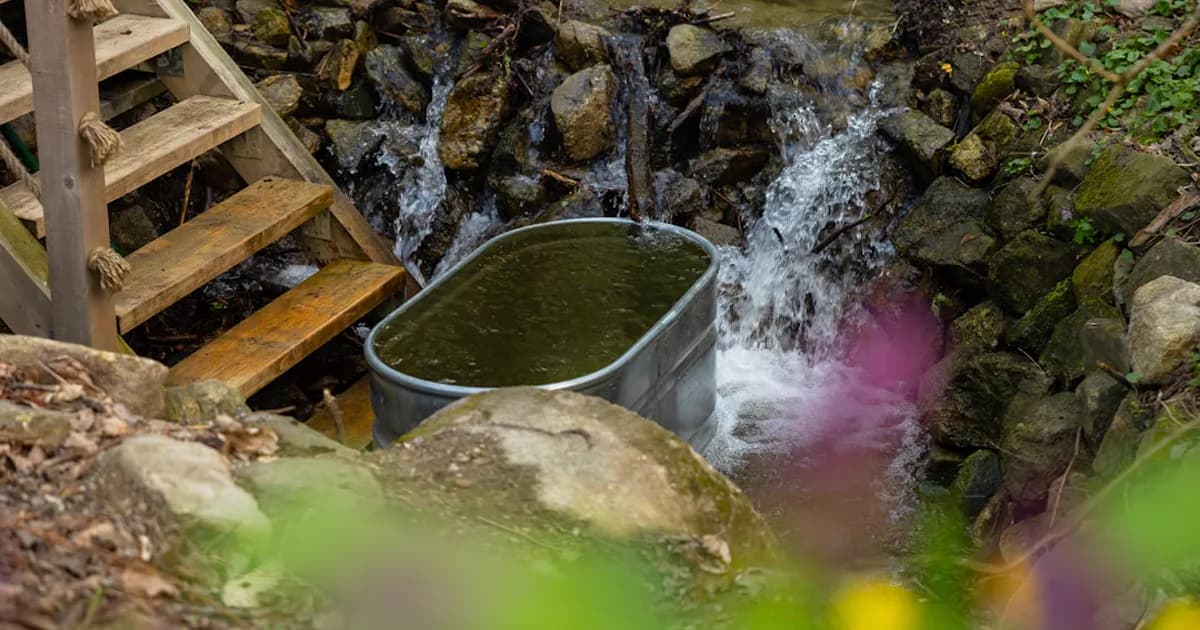
The summer weekend around here has a way of catching up with you. Saturday it was the softball tournament in Ham Lake, a long trail ride at Bunker Hills, or finally tackling the yard now that the ground has thawed for good. Sunday morning, you swing your legs out of bed and everything from your calves to your shoulders files a formal complaint. Sound familiar? A cold plunge for lake-summer recovery is one of the simplest, most evidence-backed ways to bounce back faster and get more out of the short North Metro season.
Cold water has gone from a fringe athlete trick to something you'll hear about at the gym in Andover and around the lake in Cedar. But the details matter. Below is what the research actually shows about soreness, the temperature-and-time sweet spot, how a Minnesota lake dip stacks up against a controlled plunge, who should be careful, and how to fit it all into a busy weekend.
Why Your Weekend Leaves You Sore, and How Cold Water Helps
Weekend warriors get sore for a predictable reason: a sudden burst of activity your body isn't used to. Three softball games in an afternoon, a full day of hauling mulch, and tiny amounts of muscle stress add up into the stiff, tender feeling that peaks a day or two later. It's normal. It's also temporary.
Cold water immersion helps that recovery along. Step into cold water and the cold constricts your blood vessels, temporarily reducing swelling and inflammation so your muscles feel less beat up. Reviews of the research back this up: cold immersion reduces delayed-onset muscle soreness and speeds the short-term recovery of physical function after hard efforts. It won't turn a weekend hobby into a pro career, but as a wellness tool for feeling better on Monday, it earns its place.
The Sweet Spot: Temperature and Time
Here's where a lot of people go wrong. Colder and longer is not better. When researchers pooled dozens of studies, a medium dose came out on top for reducing soreness: roughly 10 to 15 minutes at about 52 to 59 degrees Fahrenheit (11 to 15 degrees Celsius). That range gives your body enough cold to calm inflammation without the misery, and the risk, of near-freezing water.
New to it? Start gentler. Cleveland Clinic suggests beginners aim for 50 to 59 degrees, keep any single session to five minutes at most, and start with just one or two minutes while you learn how your body responds. Use a thermometer, and never go below 40 degrees Fahrenheit. You want a controlled, repeatable dose, not a dare.
A Controlled Plunge vs. the Lake
Anoka County is lake country, and there's nothing quite like walking into one on a warm morning. But an open lake is unpredictable. Mid-summer, a shallow North Metro lake often sits warmer than the ideal plunge range, so it can feel more like a pleasant dip than a recovery session. Other days, a cold pocket, a sudden drop-off, weeds, or a current turns a casual wade into something you didn't plan for. No thermometer, no easy exit, no one watching the clock.
A controlled setting solves all of that. You set the temperature exactly, time your session, and step out onto dry ground the moment you're done. That's the case for cold plunge therapy at 5D Wellness in East Bethel: it takes the lake-dip instinct and makes it something you can repeat safely all summer, and long after the lakes freeze over.
More Than Sore Muscles: The Whole-Body Reset
Ask regulars why they keep plunging and most won't lead with their quads. They talk about how they feel afterward, and the research hints at why. One systematic review found a meaningful drop in stress about 12 hours after cold-water immersion, along with reports of feeling more alert. Cleveland Clinic notes that some people use the plunge as a kind of moving meditation: a few focused minutes of controlled discomfort that make the rest of the day feel manageable.
There are early, still-limited signals on other fronts too, including better sleep quality in recovery settings and, in one 30-day study, fewer sick days among people who took regular cold showers. This is emerging evidence, not a promise, so hold it loosely. But as a supportive wellness habit, the mental reset alone is why a lot of North Metro folks come back.
Timing It Right Around Your Weekend
One important catch: timing. The same cooling that calms soreness can also quiet the inflammation your body uses to build muscle. Cleveland Clinic notes that cold therapy can interfere with strength gains if done within about four hours of a heavy resistance workout. So if Saturday is a serious lifting day, hold the plunge.
For most weekend warriors, that's easy to work around. Save the plunge for a rest day, for after a long run or ride where endurance was the point, or for a general Sunday-morning reset. It slots naturally into active recovery days, when the goal is simply to feel loose and ready for the week.
Cold Shock and Who Should Skip It
Cold water deserves respect. That first shock triggers a fast, involuntary gasp and rapid breathing that can leave you dizzy, or, in deep water, in real danger. It's exactly why you should never plunge alone in a lake, why you should enter gradually, and why you should get out at the first hint of lightheadedness or shivering you can't control. Then warm up: dry off quickly and dress warmly to bring your core temperature back up.
Some people should check with a provider before starting at all. Because cold water raises blood pressure and makes the heart work harder, Cleveland Clinic advises caution for anyone with heart disease, high blood pressure, diabetes, poor circulation, or peripheral neuropathy, and for those who are pregnant. If that's you, talk to your healthcare provider first.
Make It a Ritual: Cold Plunge Meets Sauna
The classic finish to a plunge is heat. Alternating cold and warm, often called contrast therapy, is a satisfying way to bring your core back up and stretch the whole thing into a proper ritual instead of a quick shock. If you like the idea of building both into one visit, it's worth thinking about pairing your plunge with the sauna and which order suits you.
However you sequence it, the value is in the repetition. A short, consistent weekend habit beats an occasional heroic ice bath, and it's a lot easier to keep up through a North Metro summer.
Frequently Asked Questions
How cold should a summer cold plunge be, and how long should I stay in?
For recovery, research points to a medium dose: roughly 10 to 15 minutes at about 52 to 59 degrees Fahrenheit (11 to 15 degrees Celsius). Beginners should start shorter, one to two minutes, and never exceed five minutes at colder temperatures. A Minnesota lake in mid-summer often sits warmer than that, so it may feel gentle; a controlled plunge lets you dial the temperature in.
Is plunging in a Minnesota lake safe?
It can be, with common sense. Never plunge alone, enter gradually to manage the cold-shock gasp reflex, stay near shore where you can stand, and get out at the first sign of dizziness or uncontrolled shivering. Open water hides cold pockets, drop-offs, and currents that a controlled plunge does not, which is why many people prefer a monitored setting.
Will a cold plunge hurt my strength gains?
It can if the timing is off. Cold immersion blunts the inflammation that drives muscle-building, so avoid plunging within about four hours of a heavy strength session. On rest days or after endurance work, that trade-off mostly disappears and the recovery benefit shines.
Can I do a cold plunge if I have a heart condition or I'm pregnant?
Talk to your healthcare provider first. Cold water raises blood pressure and makes the heart work harder, so people with heart disease, high blood pressure, diabetes, poor circulation, or who are pregnant should get individual guidance before starting.
Your Next Step This Summer
Cold plunging is a simple, evidence-supported way to recover from an active North Metro summer, as long as you keep the temperature and time sensible and respect the cold. Dial in a medium dose, mind the timing around heavy lifting, and build it into a weekend routine you'll actually stick with. When you're ready to trade the unpredictable lake for a plunge you can count on, book a cold plunge session at 5D Wellness in East Bethel and give your weekend-warrior body the reset it has earned.
This article is for general wellness and educational purposes only and is not medical advice. 5D Wellness services are not a substitute for professional medical care. Results vary by individual. Consult a qualified healthcare provider before starting any new wellness practice, especially if you are pregnant or have a medical condition.