
Massage & Bodywork
How Often Should You Get a Massage? A Practical Guide
5D Wellness Team·10 min read·July 24, 2026
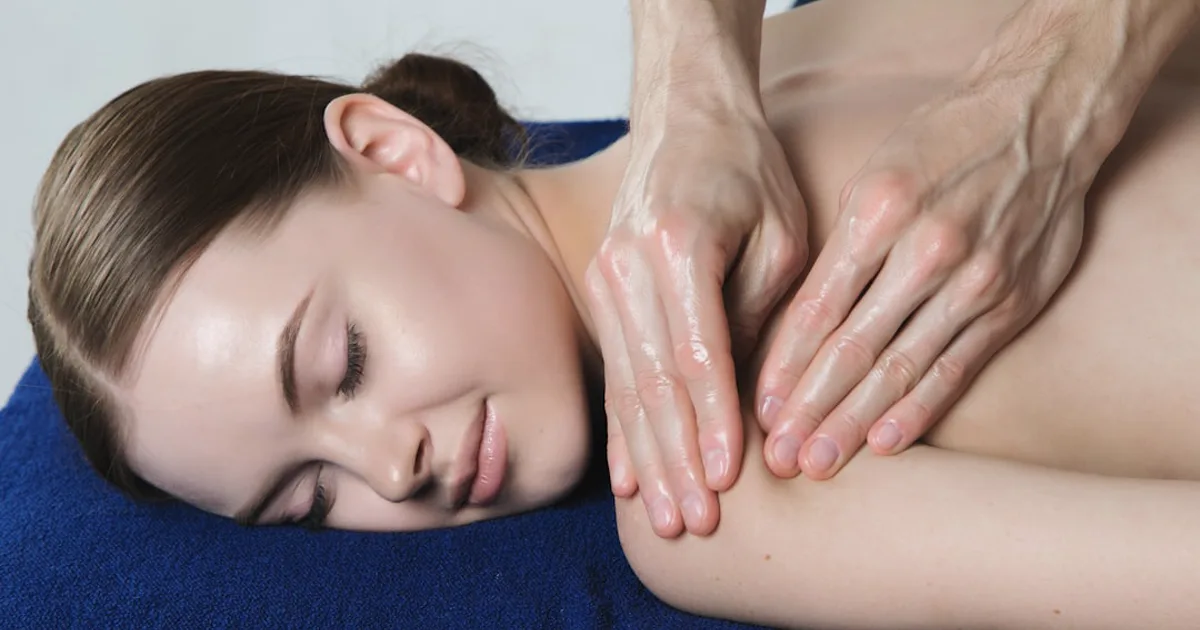
The most common question at the front desk isn't which massage to book — it's how often to come back. And the honest answer is that there's no magic number. How often you should get a massage depends on what you want out of it, how your body responds, and what actually fits your week and your budget. A weekly ritual and an occasional monthly reset can both be exactly right — just for different people, chasing different things.
That question comes up a lot around East Bethel and the North Metro, where folks in Ham Lake, Andover, Blaine, and Anoka are juggling long winters, busy summer yard work, and packed schedules. Maybe you're after stress relief. Maybe you're working through stubborn muscle tension, or bouncing back from training. This guide walks through practical frequency ranges by goal, so you can build a routine that sticks. And if you'd rather just get started, you can always book a massage at 5D Wellness and find your rhythm from there.
What Actually Determines Your Ideal Frequency
Before we talk numbers, it helps to know what you're actually balancing. Four levers shape how often massage makes sense for you: your goal (simple relaxation is a different thing from working on chronic tension), your stress and activity level, how your body responds afterward, and what's sustainable for your time and wallet. Move one lever and the answer shifts.
It also helps to know massage isn't some fringe indulgence. It's mainstream wellness — 10.9% of U.S. adults used massage therapy in 2022, more than double the rate two decades earlier. Millions of people fold it into their routines the same way they'd fold in exercise or stretching.
Here's the key thing to keep in mind. The benefits of massage tend to be genuine but modest and short-lived — it supports how you feel and move rather than fixing something once and for all. That's exactly why a regular cadence matters more than any single session. You're maintaining a state, not flipping a switch. One note on framing, too: massage is a wellness practice that complements your regular medical care, never a replacement for it.
Frequency by Goal
The most useful way to answer "how often" is to start with why you're going in the first place. Here's how the ranges tend to shake out.
General wellness and relaxation
If you're mostly after a reset — a chance to unplug and loosen up — every two to four weeks is a sustainable baseline that keeps you ahead of the tension. During higher-stress stretches, plenty of people bump that up to weekly and then ease back off. There's no penalty for flexing with your life.
Stress, sleep, and everyday tension
Massage nudges your nervous system toward its "rest and digest" relaxation response, and that calming effect tends to build with repetition rather than reset to zero between visits. For stress and sleep, a weekly to biweekly rhythm gives it something to compound on. If your shoulders creep back up to your ears within a few days of a session, that's a signal the shorter interval might serve you better.
Chronic muscle tension or recurring pain
This is where the research points toward more frequent, consistent sessions — at least for a while. In one study, 60-minute massage sessions two or three times a week for four weeks relieved chronic neck pain better than no massage or fewer, shorter sessions. A common approach is a "loading" phase of more frequent visits to get on top of the tension, then a taper to a lighter maintenance schedule once things settle. Keep this in the wellness lane, though — for a persistent or worsening issue, loop in your healthcare provider.
Athletic recovery
For the weekend warriors, hockey players, and lifters around Blaine and Ham Lake, frequency tracks your training load. During heavy blocks or in the weeks around an event, weekly or even twice-weekly sessions are common; in the off-season, a lighter every-two-to-four-weeks rhythm does the job. Timing a session around your hardest training days tends to be the most useful move of all. Our beginner's guide to sports massage in the North Metro digs into how to fit it around a training week.
Pregnancy and special situations
Prenatal massage is its own specialty, and frequency here is highly individual — the right starting point is a green light from your provider and a therapist trained for it. That same "check first" rule applies to anyone managing a medical condition. When in doubt, ask before you book.
Why the Effects Add Up: The Case for a Regular Cadence
If there's one idea to take away, it's this: massage rewards rhythm. The Cleveland Clinic notes that a 60-minute massage multiple times per week produced better results than fewer or shorter massages. Both length and consistency pull their weight. A full-hour session on a steady schedule beats a rushed one squeezed in twice a year.
There's some fascinating physiology under the hood, too. A preliminary NIH-published study found that once-weekly and twice-weekly massage produce measurably different biological patterns in the body — and, importantly, that the effects are cumulative, lingering between sessions for days and up to a week. You're not starting from scratch every time. Each session builds on the last.
So think of massage a bit like exercise or stretching: a steady rhythm beats a rare marathon. Skip several months and then book one long, intense session, and you won't "catch up" on everything you missed — you may just leave sore rather than restored. Little and often, or at least regular and consistent, is the pattern that actually pays off.
Match the Massage Type to Your Goal
Frequency doesn't live in a vacuum — the type of massage you book interacts with how often you can comfortably go. Gentler, relaxation-focused work like a Swedish massage can often be enjoyed more frequently, while intense deep-tissue work may ask for a little more recovery time in between. If you're weighing your options, our guide to Swedish vs. deep tissue massage breaks down which to book first.
Beyond those two, sports massage suits athletes, prenatal massage supports pregnancy, and lymphatic work uses a lighter touch for fluid and inflammation. And here's a myth worth retiring: effective massage doesn't have to hurt. Lighter pressure often delivers more relaxation, and "no pain, no gain" simply isn't true here. Speak up about what feels right — a good therapist wants that feedback.
Signs to Adjust — and When to Check With a Provider
Your body will tell you if your cadence is off. Consider going a little more often if tension returns within a few days, if you're in a high-stress season, or if your training load is climbing. On the flip side, space sessions out if you're sore for more than a day or two afterward, if you feel drained rather than refreshed, or if the schedule is straining your budget more than it's helping.
A few situations call for a provider's clearance before you book. Pregnancy, heart problems, a history of blood clots or phlebitis, an active infectious illness, or inflamed or infected skin are all worth sorting out with your doctor first. Massage is a wellness practice, not medical treatment — when something feels off, your healthcare provider is the right first call.
Building a Sustainable Routine in the North Metro
The best frequency is the one you'll actually keep. A few tricks make it stick: book the same weekday each time so it becomes a habit, and pair massage with your other recovery practices. Many of our members think about massage the way they think about how often to cold plunge — less about chasing an ideal number, more about finding a rhythm you can hold.
Memberships and packages are what make a regular cadence affordable, turning "someday" into a standing appointment. And the North Metro seasons practically write your schedule for you: tight, hunched-up shoulders after a long Minnesota winter, or achy muscles from a weekend of yard work and lake hauling in summer. Whatever your rhythm, you can explore massage at 5D Wellness and build it around your life.
Frequently Asked Questions
Is it OK to get a massage every week?
For most healthy adults, a weekly massage is a well-tolerated and popular cadence — especially for stress relief, sleep, and general muscle tension. Research on regular massage uses weekly and twice-weekly schedules safely in healthy people. If you have a medical condition, are pregnant, or take blood thinners, check with your provider first and tell your therapist so they can adjust pressure and technique.
How often should I get a massage for stress and relaxation?
A session every two to four weeks is a realistic, sustainable rhythm for general stress relief, and many people who make it a routine go weekly during busier stretches. Because massage nudges your nervous system toward its relaxation response and the calming effect builds with consistency, a steady cadence tends to help more than an occasional one-off.
How often should athletes get a massage?
It depends on training load. During heavy training or in the weeks around an event, weekly or even twice-weekly sessions are common, while a lighter maintenance schedule of every two to four weeks works in the off-season. A sports-focused session timed around your hardest training days is usually the most useful.
Can you get a massage too often?
You can. If you feel sore for more than a day or two after a session, tired instead of refreshed, or bruised, that's a sign to space visits out or ask for lighter pressure. Effective massage doesn't have to be painful, so speak up — comfort and recovery between sessions are part of getting the benefit.
The Bottom Line
There's no universal number for how often you should get a massage — and that's good news, because it means you get to build a rhythm around your own goals, your body, and your budget. Match the frequency to what you're after, listen to how you feel afterward, and keep it sustainable. Even a monthly session is genuinely worthwhile if that's what fits; when it comes to massage, consistency beats intensity almost every time.
Ready to find your rhythm? Book your visit to 5D Wellness, or read up on Swedish vs. deep tissue massage to pick the right starting session.
This article is for general wellness and educational purposes only and is not medical advice. 5D Wellness services are not a substitute for professional medical care. Results vary by individual. Consult a qualified healthcare provider before starting any new wellness practice, especially if you are pregnant or have a medical condition.