
Cold Plunge
Cold Plunge for Fall Marathon Recovery: An Andover Runner's Guide
5D Wellness Team·10 min read·August 25, 2026
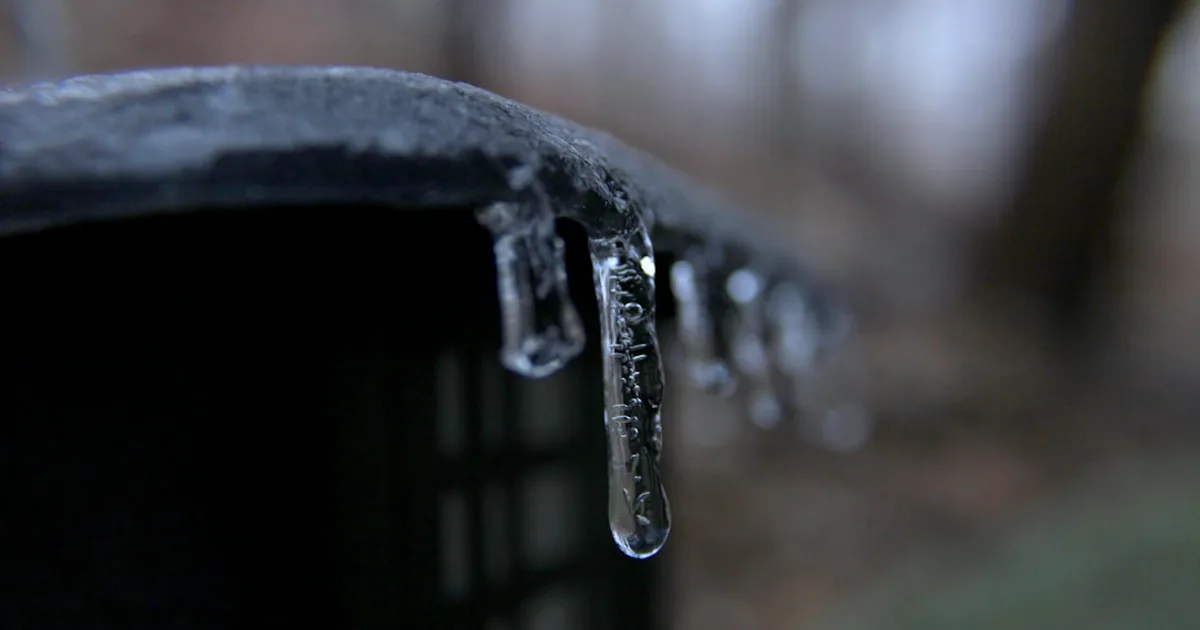
There's a particular kind of ache that shows up the morning after a fall marathon. You cross the finish line on a crisp October day feeling like a hero, and by the next morning your quads have filed a formal complaint. If you've just run a Twin Cities–area race, you know exactly what we mean. For a lot of runners around Andover and the North Metro, that's the moment the hunt for recovery tools begins — and cold plunge sits near the top of the list. This guide walks through what a cold plunge can (and can't) do for marathon recovery, how it works, how it stacks up against massage and plain old rest, and how to try it safely close to home.
Why Fall Marathon Season Is Tough on North Metro Runners
Fall racing in Minnesota has a rhythm to it. You spend late summer and September grinding out peak-mileage long runs, the temperatures finally cool into that perfect running weather, and then you empty the tank on race day. It's a wonderful season to run in — and it's also a lot of pounding for your legs to absorb in a short window.
Sore quads, tight calves, and that bone-deep, full-body tiredness in the days after a race are all completely normal. Your muscles took on a big workload, and now they need time and support to bounce back. Recovery tools don't replace that time, but they can make the days afterward more comfortable and help you feel ready to move again. Curious how heat fits into the same picture? We covered the warm side of the equation in our spring-training recovery guide for North-Metro runners. Cold is the other half of the story, and it's worth understanding before you jump in.
What the Research Actually Says About Cold Plunge for Running Recovery
Here's the good news for tired runners: soreness relief is the most consistent finding in the research. A large Cochrane review of cold-water immersion pooled 17 trials and found meaningful reductions in muscle soreness at 24, 48, 72, and 96 hours after exercise compared with simply resting — with the biggest effect around the 72-hour mark. That's squarely the window when post-marathon legs feel their worst.
Even better for our purposes, the same review noted that studies using running-based exercise showed larger benefits from cold-water immersion than other activity types. If any group is well-positioned to get something out of a cold plunge, it's runners.
Now the honest part. Feeling better and measurably healing faster aren't the same thing. A study on recovery strategies after a half-marathon found that cold-water immersion lowered runners' perceived soreness and stress, but it didn't improve objective markers of muscle damage like creatine kinase. In plain terms: a cold plunge can reliably help you feel less wrecked, even if it isn't rebuilding tissue on a stopwatch. That comfort-and-readiness benefit is real and worth having — just keep your expectations grounded rather than expecting a fixed, dramatic result.
How Cold Water Immersion Works
The mechanism is refreshingly simple. Step into cold water and your blood vessels constrict, which temporarily reduces swelling and inflammation in hard-worked muscles. Sports medicine physicians at the Cleveland Clinic describe this vasoconstriction as the core of why cold plunges can support recovery, along with a noticeable drop in how fatigued you feel right after getting out.
There may be a few bonus effects too. Some endurance athletes report better sleep and a genuine mental lift from cold exposure — that bracing, wide-awake, "I can handle anything" feeling that a lot of plungers come back for. None of this is a magic fix, and it's best thought of as general wellness support rather than medicine. But for a runner chasing comfort and a mood boost during a heavy recovery week, those extras are a nice part of the package.
Cold Plunge vs. Massage vs. Simply Resting
Deciding where to spend your recovery time? It helps to know how the options compare. In a randomized trial pitting cold-water immersion against massage after an intense workout, cold immersion produced the more immediate and pronounced drop in pain — pain reports in the cold group fell all the way to zero by the 48-hour mark. Massage helped too, but more gradually, with hints of a slower, cumulative benefit over time.
Rest matters as well, but there's a catch for runners: in that half-marathon study, running-based "active recovery" actually left runners feeling worse and nudged muscle-damage markers up, while cold-water immersion and massage both beat passive rest for how people felt. The takeaway isn't that one tool wins forever — it's that cold plunge is especially good at fast, next-day comfort, and it plays well with other approaches. Plenty of runners like to combine methods; if that's you, here's our take on pairing cold plunge with massage for the best of both.
How to Do a Recovery Cold Plunge Safely
Cold plunging is simple, but a little structure keeps it safe and comfortable — especially if you're new to it.
Temperature, time, and rewarming
You don't need brutal cold to get the benefit. The Cleveland Clinic suggests keeping the water above 40°F, with beginners starting in a friendlier 50–59°F range, and capping sessions at about five minutes (one to two minutes when you're just getting started). When you step out, warm up promptly with dry clothes and layers. Colder and longer isn't better. Consistency is what counts, so start with once or twice a week and build from there as your tolerance grows.
Timing around your workouts
If strength work is part of your marathon plan, mind the clock. Cold immersion within about four hours of lifting may blunt some of the muscle-building signals your body sends after resistance training. Many runners solve this by saving cold plunges for post-run or rest days and keeping them well apart from lifting sessions.
When to check with a provider first
Cold exposure temporarily raises blood pressure and asks more of your heart, so it isn't right for everyone. If you have heart disease, high blood pressure, diabetes, poor circulation, or you're pregnant, talk with a healthcare provider before trying cold-water immersion. When in doubt, ask first — a quick conversation beats guessing.
Building a Cold Plunge into Your Fall Recovery in Andover
Here's a simple way to fold it into a race week. Consider a short plunge the day of your marathon, while soreness is still building, and again the following day when your legs feel heaviest — those are the windows where runners tend to notice the biggest difference. After that, taper back to a session or two a week as you ease into easy running again.
You don't need to rig up a stock tank in your garage to try it, either. If you'd rather step into a proper setup, cold plunge therapy at 5D Wellness is an easy trip from Andover, Ham Lake, and Blaine, and the staff can walk first-timers through it. From there, it's easy to slot cold work into a weekly recovery stack alongside sauna, massage, and rest — so your fall recovery runs on a plan instead of guesswork.
Frequently Asked Questions
How soon after a fall marathon should I do a cold plunge?
Many runners plunge within a few hours of finishing, while soreness is still building, and again the next day. Research on running recovery shows cold-water immersion lowers perceived soreness most in the first 24 to 72 hours, so race day and the day after are the windows where you're most likely to notice a difference. Keep the session short and listen to your body.
How cold and how long should a recovery cold plunge be?
A well-tolerated starting range is roughly 50–59°F for beginners, staying above 40°F, for no more than about five minutes (one to two minutes when you're new to it). Warm up promptly afterward with dry clothes. You don't need to make it colder or longer to get the perceived-recovery benefit.
Will a cold plunge actually speed up muscle repair, or just make me feel better?
The honest answer is that studies show cold-water immersion reliably reduces how sore you feel, but it doesn't consistently change objective markers of muscle damage like creatine kinase. That feel-better effect still has real value for morale and readiness — just think of it as comfort and perceived recovery rather than a repair accelerator.
Should I cold plunge if I'm also lifting during marathon season?
Timing matters. Cold immersion within about four hours of strength training may blunt some muscle-building signals, so many runners save cold plunges for post-run or rest days rather than right after a lifting session. If strength work is a big part of your plan, space the two apart.
Who should be cautious with cold plunging?
Anyone with heart disease, high blood pressure, diabetes, poor circulation, or who is pregnant should talk with a healthcare provider before trying cold-water immersion. Cold exposure temporarily raises blood pressure and cardiac workload, so it's not right for everyone.
The Bottom Line
For a fall marathoner, a cold plunge is one of the more dependable ways to feel less sore and more like yourself in the days after a big race. The science is clear that it eases how you feel, even if it isn't an instant repair button — and that comfort can be exactly what gets you moving again with a smile. As the North Metro cools into fall and the racing season winds down, it's an easy, low-fuss addition to your recovery routine. When you're ready to try it, you can book a cold plunge session at 5D Wellness and give your hard-earned finish the recovery it deserves.
This article is for general wellness and educational purposes only and is not medical advice. 5D Wellness services are not a substitute for professional medical care. Results vary by individual. Consult a qualified healthcare provider before starting any new wellness practice, especially if you are pregnant or have a medical condition.