
Cold Plunge
Buying a Cold Plunge vs Visiting a Studio: The True Cost
5D Wellness Team·11 min read·November 3, 2026
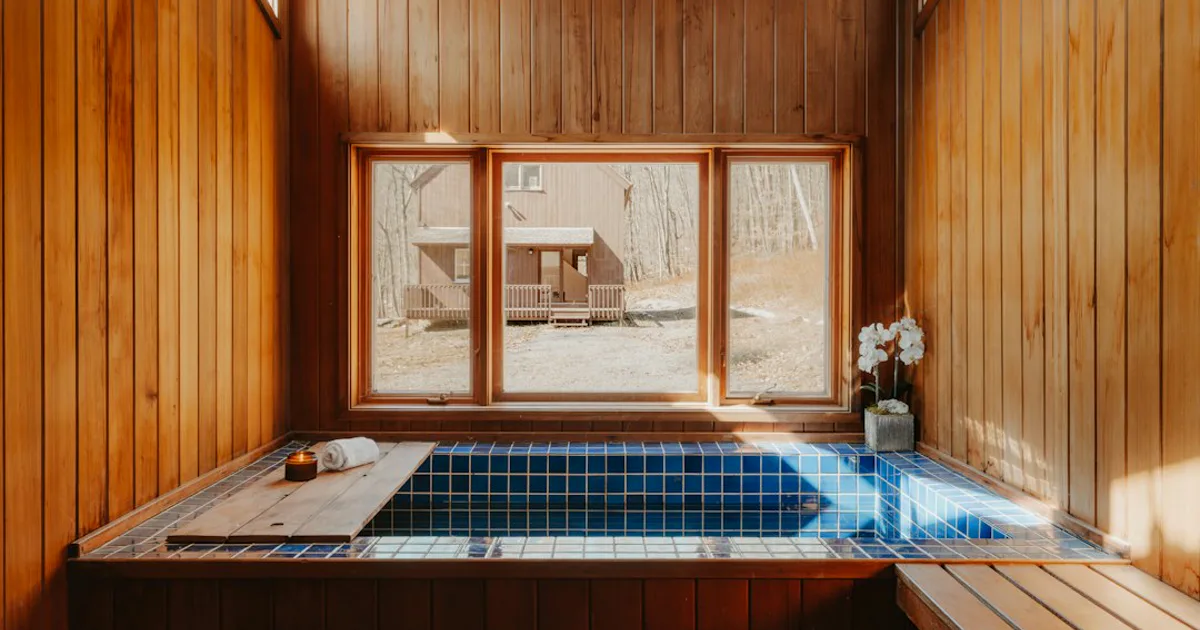
Most people run the cold plunge numbers backwards. They look up the price of a tub, compare it to the price of one session somewhere, and decide the tub wins — because of course it does, eventually. But that's not the comparison that matters. The real question in the cost of cold plunge at home vs studio debate is cost per plunge you actually take, and almost nobody guesses that number honestly in November.
Plunge tubs have shown up in garages all over the North Metro these past couple of years, from Ham Lake to Andover to Cedar. Some are getting used three mornings a week. Quite a few are holding Christmas decorations. So here's what the equipment really costs in 2026, the line items that never make it into the ad, what visiting instead buys you, and where the break-even actually lands.
What a Home Cold Plunge Really Costs in 2026
The tub is the cheap part, and it's the part everyone shops for first. A galvanized stock tank from a farm supply store runs under $200. Inflatable plunge tubs start around $400. Insulated tubs built for the purpose span roughly $500 to $5,000, cedar barrels land between about $2,300 and $3,300, and premium acrylic or stainless vessels reach $3,000 to $10,000.
Then you get to the chiller, which is where the budget goes to die. A chiller is typically the single most expensive component at $800 to $4,000 depending on horsepower, with mid-range chiller-and-filtration packages sitting around $3,300 to $3,700. Pair a basic inflatable or barrel with a small chiller and you're at roughly $1,000 to $3,000 all in. Most people who buy a real dedicated cold tub with a chiller system spend $3,000 to $8,000. Installed premium setups — plumbed, wired, decked in — run $10,000 to $30,000.
That chiller isn't a luxury upgrade, either. It's the whole difference between a plunge you can step into on a Tuesday at 6 a.m. and an ice bath you have to plan a store run around. Skip it and what you've bought is a stock tank and a standing ice habit.
The Costs That Aren't on the Price Tag
Running a chiller costs roughly $15 to $40 a month in electricity with regular use — less if the tub is well insulated and has a fitted lid, closer to $40 to $80 for a larger unit in warm months. On top of that: water changes, replacement filters, and a sanitizer like ozone or chlorine. None of it is dramatic. All of it is forever.
Minnesota adds the line items that really catch people. Your tub needs electrical access wherever it lives, plus a way to fill and drain that isn't a hose through a window in February. A heavy vessel needs a delivery plan and a permanent spot. And an outdoor tub in an Anoka County January is simply a different machine than one on a patio in Arizona — a chiller fighting a cold snap is the easy case, but a freeze-up, a cracked line, or a four-month off-season are all real outcomes. An unheated garage without a floor drain is where a lot of good intentions end up.
Cost guides make this point more bluntly than sellers do: installation, electrical work, winterizing and the floor space the unit permanently occupies are what actually determine whether a setup still gets used a year later. Square footage in your garage gets paid for every single day, whether you plunge or not.
What a Studio Visit Costs in the North Metro
Visiting flips the whole structure. You pay per session or per month, and what you're buying isn't just water — it's water already at temperature, filtered, sanitized, and someone else's problem to maintain. No delivery. No dedicated circuit. No spring teardown.
Pricing here comes two ways, drop-in and membership, and which one is cheaper depends entirely on cadence. We broke that down separately in drop-in versus membership pricing, and the logic carries over to plunging almost exactly. If you want current rates and what a session includes, the cold plunge therapy page at 5D Wellness has them, and we've also mapped out where to find 40°F water in Anoka County.
One thing rarely makes it into the comparison: a studio plunge usually sits right next to a sauna. That's a second large appliance you aren't buying, wiring, or maintaining. If the contrast of hot to cold is the part you actually enjoy, buying your way to it at home means two purchases, not one.
How Often You'll Actually Go
This is the number the whole decision rests on, so it's worth knowing what the research assumes. A 2025 systematic review pooled 11 studies and 3,177 participants, with water around 45°F to 59°F and immersions from 30 seconds to about 15 minutes, performed multiple days a week over several weeks.
What they found was more specific than the usual claims. The reduction in stress was delayed rather than immediate — nothing measurable right after the plunge or at one hour, a significant reduction at 12 hours, and nothing left by 24 to 48 hours. Sleep quality improved compared with passive recovery. There was no consistent evidence that immersion lifted mood or boosted immunity. The authors were candid about the limits, too: few randomized trials, small samples, and only one included study with female participants.
The useful takeaway for your wallet is that these are effects tied to repetition, not to any single heroic session. So the only honest input to the math is how many plunges a month you'll really do in February, in the dark, before work — not how many you picture doing in June.
The Break-Even Math
Here's the arithmetic, and it's simple enough for a napkin. Add up your first-year home cost: equipment, electricity, filters, sanitizer, any electrical work. Divide by the number of plunges you realistically take in that year. Compare the result to what a drop-in session or a month of membership costs you.
Run it at both ends. A $5,000 setup used three mornings a week is about 155 plunges a year, which works out near $33 per plunge in year one — then drops to a few dollars each after that, because the equipment is paid for. The same $5,000 setup used three times a month is 36 plunges, or roughly $140 each in year one and still well over $20 each in year five. That's the entire story. Frequency isn't a detail in this calculation; it is the calculation.
Which gives two honest conclusions. If you're genuinely plunging several times a week and intend to keep at it for years, buying wins and wins clearly. For everyone else — and that's most of us — visiting costs less and asks nothing of your garage.
The Part Nobody Budgets For: Holding Temperature
Published guidance assumes a controlled dose. Cleveland Clinic suggests beginners stay between 50°F and 59°F, cap a session at five minutes, start with one to two minutes, and go once or twice a week, with a hard floor at 40°F and a thermometer to verify it.
Bagged ice can't really do that. The water warms the entire time you're standing in it, so the dose changes session to session and day to day. That's the opposite of the protocol the guidance describes, and it's the main reason a chiller shows up in every serious home build. For a sense of what a steady, managed range feels like, we described what 100°F to 40°F water actually feels like in a separate piece.
Two more constraints worth knowing, regardless of where you plunge. Cold immersion within about four hours of a strength workout may blunt muscle-building adaptation, so timing matters. And cold water isn't for everyone: if you have a heart condition, high blood pressure, diabetes, poor circulation or peripheral neuropathy, or if you're pregnant, talk to your own provider before you start.
Frequently Asked Questions
Is buying a cold plunge cheaper than going to a studio?
It depends almost entirely on how often you actually plunge. A tub-and-chiller setup running $3,000 to $8,000 up front, plus roughly $15 to $40 a month in electricity, only beats paying per visit if you keep using it several times a week for years. At two or three plunges a month — which is where most people honestly land — a membership or a drop-in session costs less and comes with the water already at temperature.
How much does a home cold plunge cost in Minnesota?
The equipment prices the same here as anywhere: under $200 for a stock tank, around $400 for an inflatable tub, $1,000 to $3,000 for a basic tub-and-chiller package, and $3,000 to $8,000 for a typical dedicated cold tub with a chiller. Minnesota adds two line items most guides skip — a plan for the unit through a January cold snap, and either a heated garage, a basement with a floor drain, or a four-month off-season.
How cold does the water need to be, and for how long?
Cleveland Clinic suggests beginners stay between 50°F and 59°F, cap a session at five minutes, and start with just one to two minutes, with the hard floor at 40°F. Once or twice a week is plenty at first. Holding a verified temperature in that window is the single hardest thing to reproduce at home with bagged ice, because the water warms as the ice melts.
Do I need a chiller, or can I just use ice?
Bags of ice work, and they're how most people start. The trade-off is cost per session and consistency: you buy ice every time, you fill and drain by hand, and the temperature drifts upward the whole time you're in it. A chiller is usually the most expensive single component at $800 to $4,000, and it's the thing that turns an ice bath into a plunge you can use without planning ahead.
Should I talk to a doctor before starting cold plunges?
Yes, if you have a heart condition, high blood pressure, diabetes, poor circulation or peripheral neuropathy, or if you're pregnant. Cold water immersion is generally considered safe for most people, but the cold-shock response raises heart rate and blood pressure sharply, so it's worth a conversation with your own provider before you start.
What We'd Actually Suggest
The comparison that matters isn't tub price against session price. It's cost per plunge you actually take, and you can't know that number until you've taken some. So the low-risk order of operations is this: plunge somewhere else for a season, count the sessions honestly, then decide whether $5,000 of equipment in the garage is buying you anything a booking doesn't.
If you want to run that experiment through a North Metro winter, you can book a plunge and start keeping score. Worst case, you learn something about yourself in February for the price of a few sessions instead of the price of a chiller.
This article is for general wellness and educational purposes only and is not medical advice. 5D Wellness services are not a substitute for professional medical care. Results vary by individual. Consult a qualified healthcare provider before starting any new wellness practice, especially if you are pregnant or have a medical condition.
This article is for general information only and is not medical advice.