
Infrared Sauna
At-Home vs Studio Infrared Sauna: Which Is Right?
5D Wellness Team·10 min read·October 10, 2026
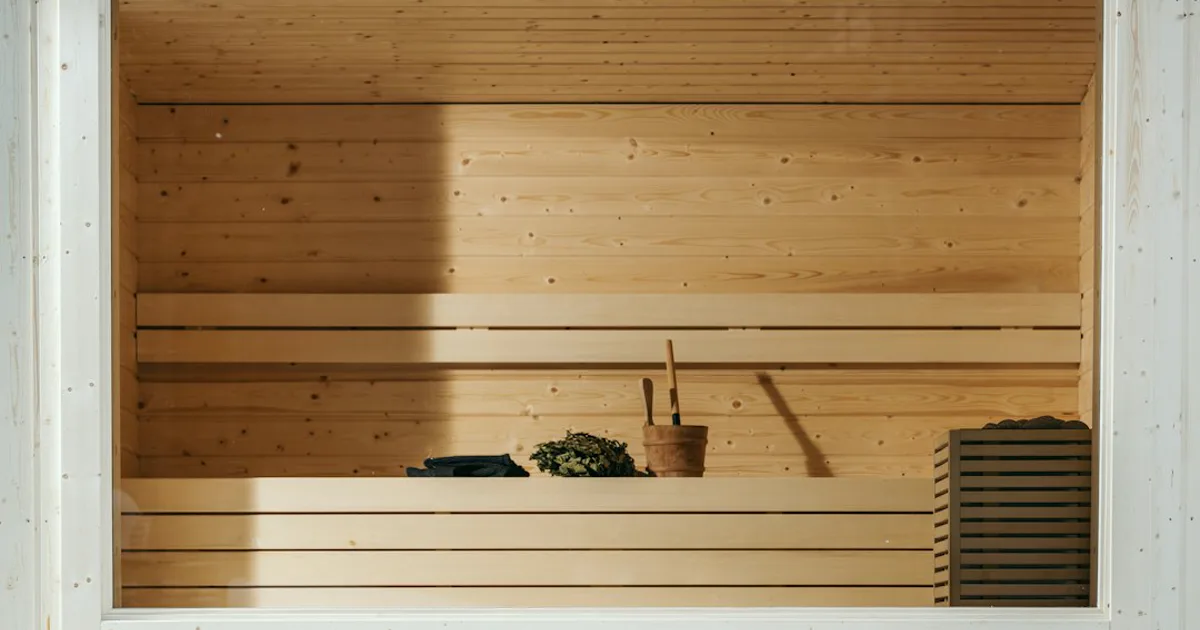
You went a few times, you liked it, and now there's a browser tab open on a two-person cedar cabin. Familiar spot around here — plenty of North Metro homes have the garage or basement square footage a home unit needs, which makes the whole idea feel doable in October.
But "which one is better" isn't really the question. The question is which one you'll still be using in February, when it's dark at 4:30 and the driveway needs clearing. If you're still deciding where to start, look at your local infrared sauna options around Oak Grove first. Below: how the heat works, the honest cost picture, the install details nobody puts in the product photos, what a studio adds, and a short way to decide.
How Infrared Saunas Actually Work
The first surprise for most people is that the cabin doesn't feel as hot as they braced for. That's by design. An infrared sauna warms your body directly instead of heating the air around you, so it runs between roughly 110°F and 135°F — noticeably cooler than a traditional Finnish sauna at 150-195°F.
The physics behind it: far-infrared energy sits in about the 3-12 micrometer band and penetrates up to roughly 1.5 inches beneath the skin, which is why cabin air near 40°C still produces a real sweat. Reviewers studying far-infrared units describe exactly that trade — around 60°C instead of the 85°C of a conventional sauna, yet a more vigorous sweat at the lower temperature.
What that means for your session
It's shorter than you'd think. Cleveland Clinic suggests beginners start near 110°F for five to 10 minutes and build from there, with even seasoned users keeping sessions to 20 or 30 minutes. Most published protocols land in a similar window — often 10 to 15 minutes. That matters for the home-versus-studio math, because squeezing in 15 minutes is a different scheduling problem than carving out an hour.
And to say it plainly: this is wellness, not medicine. People use sauna sessions to unwind, to thaw out after a cold day, and to feel better after a hard workout.
Consistency Is the Whole Ballgame
Here's the number that should drive your decision. Research on habitual sauna bathing centers on two to four sessions per week, with a dose-response pattern — people who go more often tend to see more. Single sessions feel nice. Repeat sessions are what the literature is describing.
During one, heat exposure shifts something like 50 to 70 percent of your blood flow from the core toward the skin and raises cardiac output by 60 to 70 percent, a response researchers compare to walking at a moderate pace. There's a practical study worth knowing here too: team-sport athletes doing 10 minutes at 50°C, three times a week for six weeks finished with zero sauna-related dropout, and the researchers credited the short duration for fitting schedules that were already full.
So translate that. Whichever option gets you to three sessions a week in a Minnesota January is the right one. Convenience beats specifications.
One honest counterweight. Sauna sessions didn't meaningfully move cholesterol or triglycerides in the reviewed studies, and weight findings were inconsistent. Whatever the scale says afterward is water, and it comes back.
The Real Cost Picture, Honestly Compared
What a home cabin actually costs
The sticker price is the headline, not the total. Add freight out past the suburbs, assembly, floor protection, likely electrical work, and power draw across seven months of heating season. Then the quiet cost nobody budgets: a cabin you stopped using is a very heavy piece of furniture you now have to move or resell.
What studio access costs
A predictable per-session or monthly number. Nothing to install, nothing to maintain, nothing to resell. If you're going often, a membership makes frequent use affordable without the capital outlay up front.
The crossover math
Run it yourself, roughly: annual studio cost times the years you'll realistically stay consistent, against purchase plus install plus power. Go often enough for long enough and the home unit wins on raw arithmetic — but notice the condition buried in that sentence. The break-even only arrives if the habit holds. Buy the habit first, the hardware second.
The Minnesota Install Reality Nobody Mentions in the Product Photos
The garage plan is the one that most often falls apart. An unheated garage in East Bethel or Ham Lake in January means a long preheat, a cold floor, and a miserable walk back into the house afterward. Works great in September. Abandoned by New Year's.
Basements hold temperature far better, but check three things first: ceiling height, how you'll handle the humidity a regular sweat session adds to a finished space, and whether the panels will physically make it down your stairs and around the corner at the bottom.
Then there's power. Many two-person-and-larger units want a dedicated 20-amp circuit, which means an electrician visit in most older North Metro homes. Get that quote before you buy, not after the pallet arrives. And be honest about footprint — a two-person cabin takes up roughly a large closet, and it doesn't fold away.
If driving is the real question for you, we covered whether the drive is worth it from Isanti or Cambridge separately.
What a Studio Session Gives You That a Home Cabin Can't
Start with the equipment. Commercial cabins are bigger, with more panel surface and more heat output than most residential units deliver. You can stretch out.
Then the part people underrate: somebody else preheats it, cleans it, and troubleshoots it. Sounds minor until you've skipped a home session because the cabin needed 40 minutes to warm up and you had 30.
There's also the rest of the stack in the same building. Cold plunge, red light, salt room, massage. Contrast therapy — hot to cold and back — is genuinely hard to replicate at home, and it's what regulars tend to get hooked on. Staff can field the beginner questions too: how hot, how long, what to bring.
And a booked appointment carries a kind of accountability a cold garage cabin never will. Our infrared sauna sessions at 5D Wellness in East Bethel draw regulars from Ham Lake, Andover, Blaine, Cedar, Oak Grove, St. Francis and the wider North Metro for exactly that reason.
Safety Basics That Apply Either Way
Hydrate. Bring water or an electrolyte drink in, and skip alcohol entirely around sauna use — the cardiovascular literature is unusually blunt about that combination. Step out at the first sign of dizziness or nausea, and shower afterward to cool down.
Some people should check with a clinician first or sit this one out: anyone with heat sensitivity including multiple sclerosis, anyone pregnant or trying to conceive, anyone currently sick, and anyone with an unstable cardiac condition.
The reassuring part, caveat attached: across the far-infrared sauna studies reviewed, no adverse effects were reported, and investigators saw no changes in liver or kidney function, electrolytes, or hematocrit. The research base is still small and short-term, so take that as encouraging rather than settled.
So: Home or Studio? A Short Way to Decide
Book studio sessions if
- You're in your first six months and still finding your temperature and duration.
- You want contrast therapy, or more than one modality in a visit.
- Your only available space is an unheated garage, or your electrical panel is a question mark.
- You know yourself — a scheduled appointment is what makes it happen.
Buy a home cabin if
- You've already held two to four sessions a week for several months somewhere else.
- You've got conditioned indoor space and the circuit to feed it.
- Odd-hours access is the real constraint — shift work, young kids, 5 a.m. or never.
- Driving is what breaks your streak, not motivation.
The hybrid most people land on
Studio for the habit, the bigger cabins and the extras. Then maybe a small home unit later, for the quick weekday 15 minutes when leaving the house isn't happening.
Frequently Asked Questions
Is an at-home infrared sauna cheaper than a studio membership?
It depends on how long you keep using it. A home cabin is a few thousand dollars up front plus electrical work; studio access is a predictable monthly cost with nothing to install or resell. Sauna three or four times a week for years and the home unit eventually wins. Still unsure whether you like 20 minutes in the heat? The studio is the far cheaper experiment.
How hot does an infrared sauna get, and how long should a session be?
Infrared saunas typically run 110°F to 135°F, cooler than a traditional sauna's 150-195°F, because infrared warms your body rather than the air. Cleveland Clinic suggests beginners start near 110°F for five to 10 minutes, with even experienced users capping sessions around 20 to 30 minutes. Most research protocols sit in that same range, often 10 to 15 minutes.
How often do I need to go for it to be worth it?
The habitual-use research keeps pointing to two to four sessions per week, with more frequent use tracking with greater benefit. That's the most useful number to hold onto: pick whichever option you'll realistically use that often in February.
Do I need a special electrical outlet for a home infrared sauna?
Usually, yes, for anything larger than a one-person cabin. Many units want a dedicated 20-amp circuit, which means an electrician visit in most East Bethel and Ham Lake homes. Budget for it before you order — and think twice about the unheated garage, which makes a sauna slow to warm and rough to leave in January.
Is infrared sauna use safe for everyone?
No, and it's worth taking seriously either way you go. Heat sensitivity including multiple sclerosis, pregnancy, actively trying to conceive, current illness and unstable cardiac conditions are all reasons to check first or skip it. Avoid alcohol, bring water, and step out if you feel dizzy or nauseated. Talk with your own healthcare provider before you start.
The Bottom Line
The hardware question sits downstream of the habit question. Two to four sessions a week is what the research keeps circling, so the right answer is whichever option you'll hold to when it's 4°F and already dark.
Practically: go a dozen times before you spend anything. You'll learn your temperature, your duration, and whether you want this in your basement — cheap information compared to finding out after delivery. When you're ready, book a session with us in East Bethel.
This article is for general wellness and educational purposes only and is not medical advice. 5D Wellness services are not a substitute for professional medical care. Results vary by individual. Consult a qualified healthcare provider before starting any new wellness practice, especially if you are pregnant or have a medical condition.