
Halotherapy
Active vs. Passive Salt Rooms: How Halotherapy Actually Works
5D Wellness Team·9 min read·July 16, 2026
Spend a long Minnesota winter breathing dry furnace air, or slog through a North Metro allergy season with a stuffy head, and sooner or later someone mentions a salt room. They keep coming up around East Bethel and Anoka County as a cozy way to slow down and breathe a little easier. Here's the part most people miss, though: not all salt rooms are the same. When you compare an active vs. passive salt room, halotherapy can mean two pretty different experiences — and knowing which is which helps you pick the one you'll actually enjoy. So let's walk through what halotherapy is, how each room type works, what the research does and doesn't show, and where to try it close to home.
What Halotherapy Is — A Quick Origin Story
Halotherapy is a fancy word for dry salt therapy: sitting in an enclosed room where the air and surfaces are rich with salt. The idea isn't new. It goes back to the 1800s, when a Polish physician named Dr. Feliks Boczkowski noticed that workers in the Wieliczka Salt Mine seemed to have fewer lung complaints than miners who worked other kinds of mines. That observation stuck, and over time people began recreating that underground salt-mine feeling above ground.
Modern salt rooms are the result. They try to bottle up that calm, mineral-rich microclimate and bring it indoors, where you can settle in for half an hour without driving to Poland. For folks around East Bethel, Ham Lake, and Cedar, it's turned into a comforting winter ritual — a warm, quiet break when the lakes are frozen and the air outside bites.
The Two Kinds of Salt Rooms: Active vs. Passive
Here's the distinction that clears up most of the confusion. Salt rooms generally fall into two camps, and they're built around very different goals.
Active salt rooms
An active room runs on a machine called a halogenerator. It grinds salt into microscopic particles and puffs them into the air as a fine, dry mist you breathe in. Cleveland Clinic's Dr. Melissa Young describes this setup as the "truer, closest form" of salt therapy, though she notes it's actually less common in the United States. In an active room, that faint salty haze is the whole point — you're there to breathe the aerosol, not just admire the walls.
Passive salt rooms
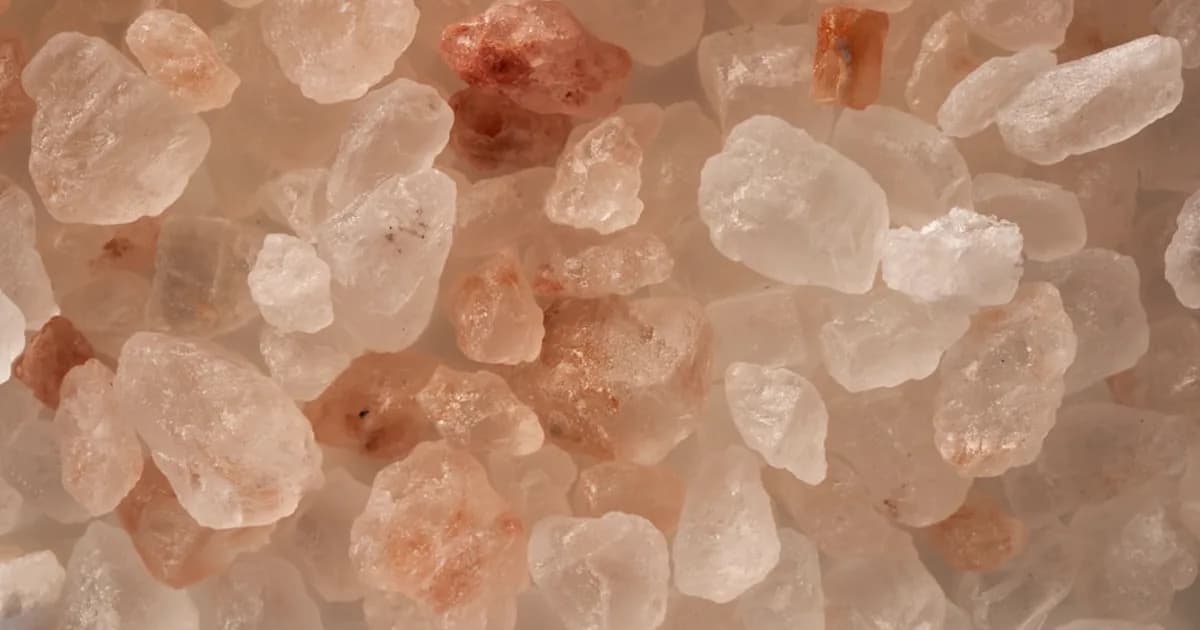
A passive room has no generator at all. Instead, it's a climate-controlled space lined with large amounts of salt — often Himalayan, Dead Sea, or rock salt on the walls and floor. As Cleveland Clinic explains, these rooms lean into ambiance rather than active particle exposure: low lighting, soft music, and a still, meditative mood. Much of what you get from a passive room comes from simply slowing down and letting your nervous system unwind.
The quick side-by-side
Put simply: an active halogenerator salt room is about inhaling a dry-salt aerosol, with a respiratory angle. A passive salt room is a restful, salt-lined lounge built around relaxation. Same salty theme, two different reasons to walk in the door.
How an Active Salt Room Actually Works
The magic of an active room really comes down to particle size. When the halogenerator breaks salt apart, it produces a range of tiny particles, and how small they are decides how deep they travel when you inhale. Research characterizing salt aerosols found that smaller particles penetrate more deeply into the respiratory tract, while larger ones settle higher up in the nose and throat.
Those same researchers describe how inhaled salt aerosols appear to "accelerate the mucociliary clearance" — in plain terms, they may help the tiny hair-like cilia in your airways sweep mucus along more efficiently. The rooms are also kept at a set humidity and temperature to keep those particles suspended and comfortable to breathe. You don't need to track any of the numbers; the takeaway is simply that an active room is engineered so the salt actually reaches your airways rather than just sitting on a shelf. It's the version of dry salt therapy in Minnesota that most closely mirrors the old salt-mine idea.
The Idea Behind It — What Salt May Do for Your Airways
So why salt at all? The proposed mechanism is fairly intuitive. Breathing in fine salt particles may help thin and loosen mucus so it clears more easily, and it's thought to work in a gently anti-inflammatory way. Dr. Young notes salt rooms "may be helpful, especially for people with some respiratory issues," while making clear this is about support and comfort, not a fix.
That framing matters. Salt therapy isn't a fix for illness, and it isn't a substitute for the care your doctor provides. Think of it as a supportive, feel-good extra — a way to take a breath during cold-and-flu months or a rough allergy stretch. If that appeal resonates, you might also enjoy our look at salt therapy through Minnesota's cold and flu season, which digs deeper into the seasonal side of things.
What the Research Does — and Doesn't — Show
Let's be honest here, because that honesty is exactly what makes salt therapy a reasonable thing to try. The scientific evidence is limited. There aren't large, rigorous clinical trials proving specific health outcomes — mostly there are small or suggestive studies, and Dr. Young is candid that "there's not a salt mountain of scientific evidence to support the claims."
Take one example: a small study of an artificial salt-mine chamber reported that patients with respiratory conditions saw reduced dry cough and wheezing after 10 to 15 days, and about a quarter were able to lower their medication doses. Encouraging — but the sample was tiny and not a randomized trial, so it can't tell us much on its own. Interestingly, studies of real salt mines tend to be a bit stronger than studies of manufactured rooms. The reasonable read: enjoy salt rooms as a relaxing, supportive extra, and keep your expectations grounded.
What to Expect — and Where to Try It Near East Bethel
A session is about as low-effort as wellness gets. You settle into a dim, climate-controlled room, usually for somewhere around 20 to 45 minutes, and just breathe normally. In an active room you might catch a faint salty taste on your lips. Some people cough a little as mucus loosens up — that's normal and typically passes quickly. Mostly it feels calm and spa-like, a genuine excuse to sit still.
A few common-sense notes. If you're claustrophobic, a small salt room may not be your thing, and it's best to skip a session when you have an active infection. Clean, properly climate-controlled rooms matter too, since poorly kept spaces can risk bacteria or mold — so choose a reputable spot.
Close to home, the salt sauna room at 5D Wellness in East Bethel gives North Metro locals a warm place to try it without a long drive. Curious about the vibe before you go? Our guide to what to expect from a salt sauna session walks you through it. It makes for a restful reset in the middle of a long Minnesota winter — the kind of quiet hour that's hard to come by between shoveling, hockey practice, and the drive to work.
Frequently Asked Questions
Is an active or passive salt room better?
It depends on what you're after. An active room uses a halogenerator to disperse fine, breathable salt particles into the air, so it's the closer match to traditional halotherapy and the format most tied to the respiratory idea. A passive room is quieter and more meditative — lined with salt but without a generator — so it leans more toward relaxation. Neither is a medical treatment; many people simply pick the experience that sounds more appealing.
How do you know if a salt room is active or passive?
Look for the halogenerator — a machine, often near the wall or in an adjoining space, that grinds salt and blows a fine dry-salt mist into the room. If the air has a faint salty haze and you can sometimes see or hear the unit running, it's an active room. A passive room is typically salt-lined walls and floors with low lighting and soft music, and no active misting.
What does a salt therapy session feel like?
Most sessions are calm and low-effort: you sit or recline in a dimly lit, climate-controlled room for roughly 20 to 45 minutes, breathe normally, and relax. In an active room you might notice a very light salty taste. Some people cough a little as mucus loosens, which usually settles quickly. It's a restful, spa-like experience rather than anything clinical.
Is salt therapy safe?
For generally healthy people, salt therapy is considered low-risk and has been around since the 1800s. Temporary extra coughing can happen, and people who are claustrophobic or have an active infection may want to skip it. Well-maintained, climate-controlled rooms matter, and anyone who is pregnant or managing a health condition should check with their provider first. It's a wellness add-on, not a replacement for medical care.
The Bottom Line
The difference is simpler than the jargon suggests: an active salt room uses a halogenerator to put breathable salt into the air, while a passive salt room is a meditative, salt-lined lounge built for calm. Both are wellness experiences — a way to slow down and breathe — not medical treatments. If either one sounds like the reset you need this season, try whichever fits your mood. When you're ready, you can book a session at 5D Wellness in East Bethel and see how it feels to take a quiet, salty breath in the middle of a Minnesota winter.
This article is for general wellness and educational purposes only and is not medical advice. 5D Wellness services are not a substitute for professional medical care. Results vary by individual. Consult a qualified healthcare provider before starting any new wellness practice, especially if you are pregnant or have a medical condition.